

What's Happening?
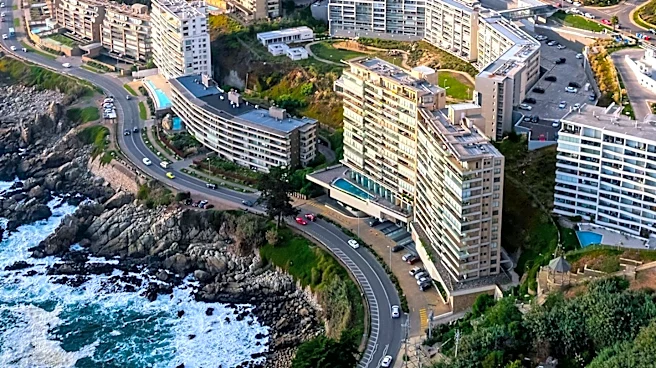
The New Jersey housing market is experiencing a significant boom, with demand for property remaining high across the state. This surge is particularly evident along the Jersey Shore, where towns in Monmouth and Ocean counties are seeing the most rapid
increases in home values. According to data compiled by Stacker, nearly half of the top 50 cities with the fastest-growing home prices in New Jersey are located in these two counties. Deal, a borough known for its luxury estates, leads the list with the highest increase in home prices. It is followed by Bay Head and Sea Girt, both prominent shore towns. Other towns experiencing substantial growth include Loch Arbour, Harvey Cedars, Allenhurst, Rumson, and Mantoloking. The intense competition for homes is driven by New Jersey's status as the most densely populated state, with residents actively seeking affordable housing options amidst rising property costs. Proximity to metropolitan areas further enhances the appeal of these shore regions.
Why It's Important?
The rapid appreciation of property values in New Jersey, particularly along the Jersey Shore, has significant economic and social implications. For current homeowners in these areas, it represents a substantial increase in wealth and equity, potentially boosting local economies through increased consumer spending and property tax revenues. However, this trend also exacerbates the affordability crisis for prospective homebuyers, especially those with moderate incomes, making homeownership increasingly out of reach. The concentration of growth in luxury markets like Deal suggests a widening gap in housing accessibility. This could lead to demographic shifts as lower and middle-income residents are priced out, potentially altering the social fabric of these communities. Furthermore, the sustained high demand and rising prices indicate a robust, albeit competitive, real estate market that could attract further investment but also risks creating a housing bubble if not managed carefully.
What's Next?
The current trajectory suggests that property values in these desirable New Jersey shore towns will likely continue to climb in the near future, driven by persistent demand and limited supply. This trend may prompt local governments to consider policies aimed at addressing housing affordability, such as zoning reforms to allow for more diverse housing types or incentives for affordable housing development. Real estate developers are also likely to continue focusing on these high-growth areas, leading to more new construction and potential further strain on existing infrastructure. For potential buyers, the market will remain challenging, requiring significant financial resources or a willingness to look at less expensive, albeit still appreciating, areas. The sustained growth could also influence state-level discussions on property taxation and regional planning, as the economic disparities between rapidly appreciating coastal areas and other parts of the state become more pronounced.
Beyond the Headlines
The escalating property values along the Jersey Shore reflect broader societal trends, including a preference for coastal living, the impact of remote work allowing more flexibility in residential choices, and the ongoing appeal of New Jersey's unique blend of suburban and recreational amenities. This phenomenon also highlights the increasing financialization of housing, where homes are viewed not just as residences but as significant investment assets. The influx of wealth into these communities can lead to gentrification, potentially displacing long-term residents and altering local cultures. Environmentally, increased development in coastal areas raises concerns about climate change impacts, such as rising sea levels and increased storm intensity, which could pose long-term risks to these high-value properties. The sustainability of such rapid growth, both economically and ecologically, remains a critical underlying question for these sought-after regions.