




What's Happening?
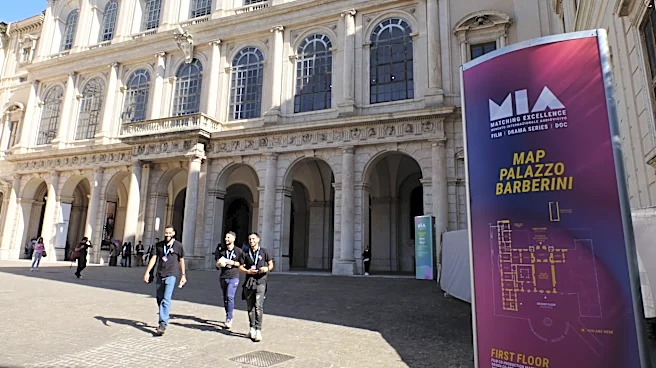
The Casa del Cinema at Villa Borghese, as part of the Rome Film Fest, hosted an 'Avant-garde Evening' on October 22, featuring restored silent films accompanied by live musical performances from seven young composers. The event presented 'Thaïs' by Anton
Giulio Bragaglia (1916), 'L'illustre attrice Cicala Formica' by Lucio d'Ambra (1920), and the comedy 'Ferocetti domatore' (1910), all restored by the CSC-Cineteca Nazionale. Promoted by SIAE and Rai Radio3, the evening showcased new scores composed and performed live by Anna Balestrieri, Raffaello Basiglio, Francesco di Grazia, Riccardo Ricci, Giacomo Scinardo, Alice Zecchinelli, and Ginevra Nervi, who also served as concertmaster. The music incorporated a blend of piano, cello, synthesizer, bass, electric guitar, and percussion, aiming to offer a fresh auditory experience for these century-old cinematic works. The films were selected to demonstrate how early cinema experimented with new artistic expressions of the era.
Why It's Important?
This event is significant for revitalizing interest in silent cinema, often perceived as outdated or inaccessible to modern audiences. By pairing restored classic films with contemporary live musical scores, the Rome Film Fest bridges historical cinematic art with modern artistic interpretation. This approach not only preserves cinematic heritage but also recontextualizes it, making it relevant and engaging for new generations. The collaboration between film restoration experts and young composers highlights the interdisciplinary nature of art and the potential for innovation in presenting historical works. It underscores the idea that cinema, even in its earliest forms, can continue to inspire new creative endeavors and provide insights into the evolution of storytelling and artistic expression. This initiative also supports emerging musical talent by providing a unique platform for their compositions.
What's Next?
The success of events like the 'Avant-garde Evening' at the Rome Film Fest could encourage similar initiatives in other film festivals and cultural institutions globally. This model of re-scoring silent films with live contemporary music may become a more common practice, fostering new collaborations between film archives, music conservatories, and performing artists. Such events could lead to increased funding for film restoration projects, as the renewed interest demonstrates the cultural and artistic value of these historical works. Furthermore, it might inspire academic research into the impact of modern musical interpretations on audience perception of silent films, potentially influencing future curatorial and educational strategies for cinematic heritage. The exposure gained by the young composers could also lead to further opportunities in film scoring and live performance.
Beyond the Headlines
Beyond the immediate spectacle, this event touches upon deeper cultural and artistic implications. It challenges the notion that silent films are merely historical artifacts, instead presenting them as dynamic canvases for ongoing artistic dialogue. The act of re-scoring these films reflects a continuous reinterpretation of art across generations, demonstrating how meaning and emotional impact can evolve with changing cultural contexts. Ethically, it raises questions about the balance between preserving original artistic intent and allowing for contemporary creative intervention. Legally, it highlights the importance of intellectual property rights in both the original films and the new musical compositions. Culturally, it reinforces the idea that art is a living entity, constantly being re-examined and re-imagined, thereby ensuring its continued relevance and resonance in a rapidly changing world. This fusion of past and present art forms fosters a richer understanding of cinematic history and its enduring influence.