






What's Happening?
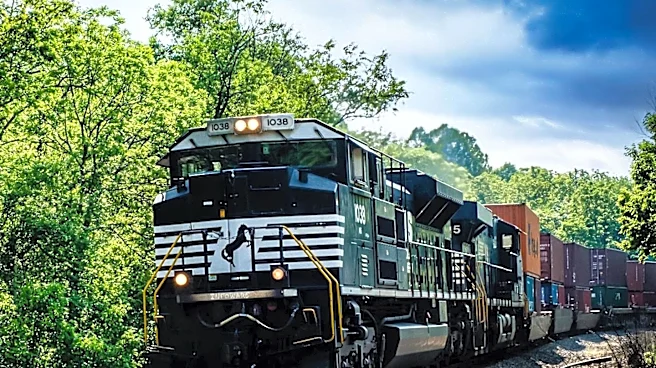
Norfolk Southern, a Class I freight railroad operating in the Eastern United States, provides compensation and retirement benefits to its employees that include provisions from the Railroad Retirement Board. The company, headquartered in Atlanta, Georgia,
employs approximately 20,000 individuals across 22 states and the District of Columbia. Its career site details various employee programs, such as training initiatives, cross-functional experiences, and specific programs for veterans and women in operations. These benefits are part of a comprehensive package designed to support employee development and well-being. The specifics of pay, benefits, and schedules can vary based on the craft, location, and role within the company, requiring candidates to confirm details during the hiring process. Norfolk Southern's operations involve transporting intermodal containers, automotive goods, chemicals, metals, construction materials, agricultural products, and coal.
Why It's Important?
The inclusion of Railroad Retirement Board benefits in Norfolk Southern's compensation package is significant for its workforce and the broader U.S. freight rail industry. This highlights the unique retirement system in place for railroad workers, which differs from Social Security for most other private sector employees. For Norfolk Southern employees, these benefits provide a specialized and potentially more robust retirement safety net, reflecting the demanding nature and critical role of railroad operations in the national economy. The company's commitment to employee programs, including those for veterans and women, also underscores efforts to attract and retain talent in a vital industry. The stability and attractiveness of these benefits can influence workforce morale, recruitment success, and the overall operational efficiency of a key transportation provider.
What's Next?
As Norfolk Southern continues its operations and recruitment efforts, the structure of its benefits, including those from the Railroad Retirement Board, will remain a key component of its employee value proposition. Future adjustments to these benefits, whether driven by company policy, industry standards, or changes in Railroad Retirement Board regulations, could impact employee satisfaction and recruitment strategies. Candidates considering roles with Norfolk Southern will continue to evaluate these benefits as part of their overall compensation package. The company's ongoing investment in training and development programs, alongside its retirement offerings, suggests a sustained focus on human capital, which is crucial for maintaining its position as a major freight railroad in the U.S.
Beyond the Headlines
The integration of Railroad Retirement Board benefits into Norfolk Southern's employee offerings points to a deeper historical and structural aspect of the U.S. railroad industry. The Railroad Retirement Board was established to provide a separate social insurance system for railroad workers, recognizing the unique characteristics and hazards of the profession. This distinct system reflects a long-standing recognition of the industry's importance and the need for specialized support for its workforce. The continued reliance on this system by major players like Norfolk Southern underscores its enduring relevance and the unique social contract between railroad companies and their employees, distinguishing them from other sectors in the U.S. economy. This also highlights the complex interplay between private corporations and federal social insurance programs.