








What's Happening?
Walking can contribute to weight loss by increasing energy expenditure, but it is not a standalone solution. Effective weight loss generally requires a sustained calorie deficit, meaning consuming fewer calories than the body uses. There is no universal
step count that guarantees weight loss; the ideal target depends on an individual's starting activity level, walking pace, and consistency. A recent review of weight-management programs indicated that participants averaged around 8,450 steps daily during the weight-loss phase and 8,240 steps during maintenance. However, these programs also included dietary changes, highlighting that increased steps are part of a broader plan. The popular 10,000-step goal originated from a 1964 Japanese pedometer promotion rather than a medical requirement, though it can be a useful target if it fits one's routine and fitness level. Even less than 10,000 steps can provide benefits, especially when increasing activity from a lower baseline.
Why It's Important?
This information is crucial for Americans seeking sustainable weight management strategies. It clarifies that while walking is a valuable tool, it must be integrated into a comprehensive approach that includes dietary adjustments. This understanding can prevent frustration and promote realistic expectations for individuals embarking on weight loss journeys. The emphasis on personalized step goals, rather than a one-size-fits-all target, encourages individuals to assess their current activity levels and gradually increase their movement, making the process more achievable and less daunting. By debunking the myth of the mandatory 10,000 steps, it empowers people to start with smaller, consistent changes, which are often more sustainable in the long run. This approach supports public health efforts to combat obesity by providing practical, evidence-based guidance on physical activity.
What's Next?
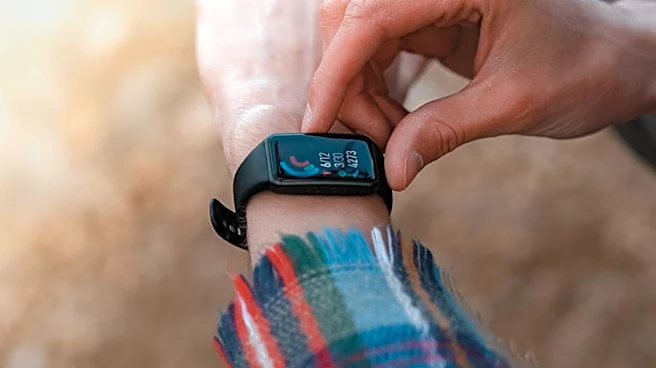
Individuals looking to lose weight will likely continue to be advised to incorporate walking into their daily routines, alongside dietary modifications. Fitness trackers and health apps will continue to play a role in helping people monitor their step counts and overall activity levels, though users should be aware of their limitations in precisely calculating calorie burn. Health professionals and wellness programs may increasingly focus on personalized activity recommendations, encouraging gradual increases in steps and varied terrains to maximize benefits. There may also be a continued shift away from rigid step targets towards a more holistic view of physical activity that emphasizes consistency, intensity, and enjoyment. Public health campaigns could further educate the public on the combined importance of diet and exercise for effective weight management, moving beyond single-factor solutions.
Beyond the Headlines
The discussion around walking and weight loss touches upon broader societal trends in health and wellness. It highlights the ongoing challenge of translating scientific evidence into actionable, sustainable lifestyle changes for the general public. The persistence of the 10,000-step myth, despite its commercial origins, underscores the power of simple, memorable health metrics, even if they lack precise scientific backing for all individuals. This also points to the need for clearer communication from health authorities to differentiate between general health recommendations and specific weight loss strategies. Furthermore, the emphasis on walking as an accessible activity can help address health disparities, as it requires minimal equipment and can be done almost anywhere, making it a more equitable form of exercise compared to gym memberships or specialized sports. This democratizing aspect of walking makes it a powerful tool for improving public health across diverse socioeconomic groups.