






What's Happening?
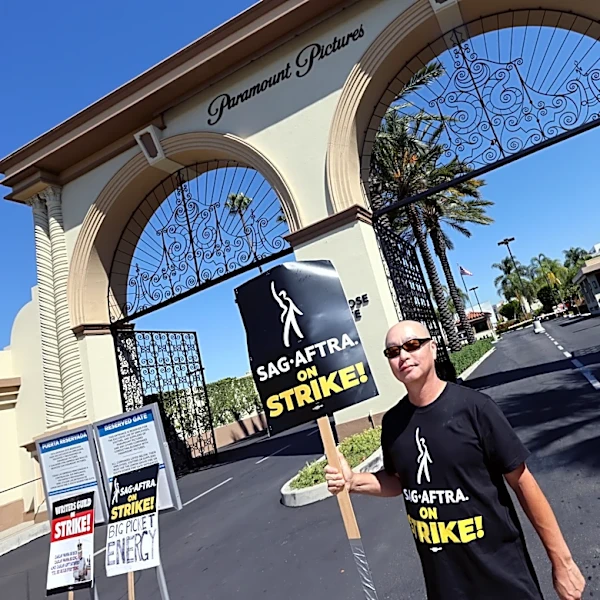
SAG-AFTRA, the Screen Actors Guild-American Federation of Television and Radio Artists, has introduced the Pre-Funding Pitch Interactive Media Agreement. This new framework allows video game developers to hire professional union actors for pre-production
content such as demos, vertical slices, trailers, teasers, sizzle reels, and playable prototypes. The agreement is specifically designed for projects seeking initial production funding. According to SAG-AFTRA President Sean Astin, this initiative aims to enable developers to enhance the quality of their pitches by incorporating professional voice and motion performance talent earlier in the development cycle. SAG-AFTRA National Executive Director & Chief Executive Officer Duncan Crabtree-Ireland emphasized that this agreement streamlines the hiring process for union talent, providing developers with a competitive edge in securing funding within a challenging industry. There are specific eligibility rules: projects cannot have more than 30% of their initial production funding secured, cannot appear complete, and cannot be commercially released or publicly available for gameplay. Crowdfunded projects are generally excluded, though waivers may be possible.
Why It's Important?
This new SAG-AFTRA agreement is significant for both the video game industry and professional actors. For developers, it offers a structured pathway to integrate high-caliber acting talent into early-stage project presentations, potentially making their pitches more compelling to publishers and investors. In an increasingly competitive funding landscape, a polished demo with professional voice acting and motion capture can significantly elevate a project's perceived value and marketability. For actors, it creates new employment opportunities in the pre-production phase of game development, ensuring their involvement and compensation are governed by union standards from an earlier stage. This move also reflects SAG-AFTRA's broader strategy to maintain the relevance and necessity of human talent in creative industries, particularly in light of ongoing discussions and concerns about generative AI voices. By embedding actors earlier in the process, the union aims to establish their leverage and prevent over-reliance on AI-generated content in early development.
What's Next?
The implementation of the Pre-Funding Pitch Interactive Media Agreement is expected to lead to increased collaboration between game developers and SAG-AFTRA actors during the pitch and prototype phases. Developers will likely begin to explore how best to leverage this agreement to enhance their project presentations and secure funding. SAG-AFTRA will monitor the adoption and effectiveness of this new framework, potentially adjusting its terms based on industry feedback and evolving needs. The agreement may also influence future union negotiations regarding AI usage in video game production, as it establishes a precedent for early actor involvement. As developers utilize this agreement, the quality of game pitches is anticipated to rise, potentially leading to more innovative and well-funded projects reaching full production. The union's proactive stance could also encourage other creative industries to develop similar frameworks for early talent engagement.
Beyond the Headlines
Beyond the immediate benefits, this agreement touches upon deeper implications concerning the future of creative labor in the digital age, particularly in the context of artificial intelligence. By encouraging developers to engage professional actors early, SAG-AFTRA is subtly pushing back against the potential for AI to replace human talent in preliminary stages of content creation. This strategy aims to ensure that actors are not merely brought in for final production but are integral to the creative process from its inception, thereby solidifying their value proposition. The agreement also highlights the evolving nature of intellectual property and performance rights in interactive media. It underscores the union's commitment to protecting its members' interests in a rapidly changing technological landscape, setting a precedent for how labor organizations might adapt to new production methodologies and emerging technologies. This could influence broader discussions about fair compensation and ethical AI use across entertainment sectors.