




What's Happening?
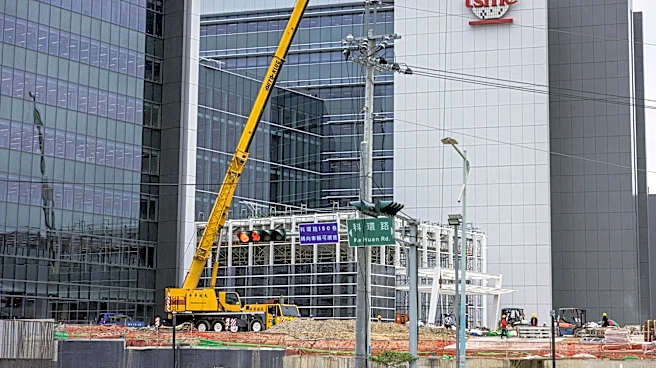
Taiwan Semiconductor Manufacturing Co (TSMC) has secured a record NT$167.586 billion (US$5.1 billion) in subsidies from the governments of the U.S., Japan, Germany, and China during the first nine months of this year. This financial assistance is intended
to support TSMC's global expansion plans, covering expenses related to property purchases, plant construction, and production equipment. The majority of these subsidies, NT$166.996 billion, were received in the third quarter alone. TSMC subsidiaries, including TSMC Arizona Corp in the U.S., European Semiconductor Manufacturing Co (ESMC) in Germany, Japan Advanced Semiconductor Manufacturing Inc (JASM) in Japan, and TSMC Nanjing Co in China, have entered into agreements with local governments to receive these funds. In Arizona, TSMC's first fab began commercial production in the fourth quarter of 2024 using a 4-nanometer process, and a second fab, scheduled for mass production in the third quarter of next year with a 3-nanometer process, has completed construction with equipment installation underway.
Why It's Important?
The substantial subsidies received by TSMC underscore a global effort by various governments, including the U.S., to bolster domestic semiconductor manufacturing capabilities. For the U.S., this investment in TSMC Arizona is crucial for enhancing national security by reducing reliance on overseas chip production, particularly for advanced technologies. The establishment and expansion of these fabs in the U.S. are expected to create numerous high-tech jobs, stimulate local economies, and foster a more resilient supply chain for critical components. This move also positions the U.S. to regain a competitive edge in semiconductor innovation and production, which is vital for industries ranging from defense to consumer electronics. The financial support from multiple nations highlights the strategic importance of TSMC's role in the global technology landscape and the intense competition among countries to attract and retain advanced manufacturing facilities.
What's Next?
TSMC's second fab in Arizona is slated to begin mass production in the third quarter of next year, utilizing the more sophisticated 3-nanometer process. This will significantly advance the U.S.'s capacity for cutting-edge chip manufacturing. Globally, TSMC's Dresden fab is scheduled to commence mass production next year, and a second fab in Kumamoto, Japan, is under construction with mass production anticipated in 2028. These ongoing projects indicate a sustained period of expansion and increased output from TSMC's international operations. The continued flow of government subsidies suggests an enduring commitment from these nations to support TSMC's strategic investments, likely leading to further advancements in semiconductor technology and a more diversified global manufacturing footprint.
Beyond the Headlines
The record subsidies and global expansion of TSMC reflect a broader geopolitical and economic shift towards securing critical supply chains and fostering technological independence. The U.S. government's significant investment in TSMC Arizona is a direct response to lessons learned from recent supply chain disruptions and aims to mitigate future vulnerabilities. This strategy also carries implications for international trade relations, as countries compete to attract high-tech manufacturing. The ethical considerations revolve around the balance between government intervention in private industry and market forces, as well as the potential for these subsidies to create an uneven playing field. Long-term, this trend could lead to a more decentralized and resilient global semiconductor industry, but also potentially higher production costs and increased geopolitical tensions over technological dominance.