



What's Happening?
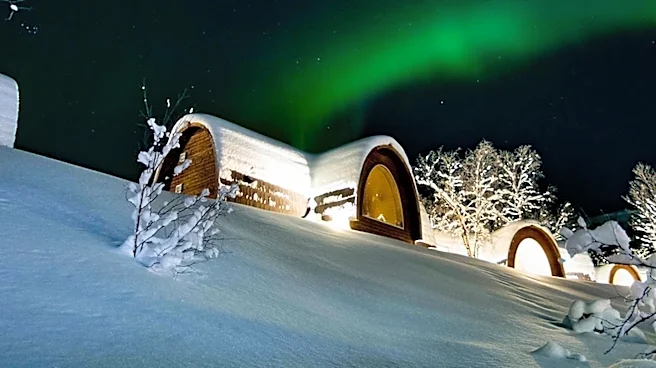
The ÆRA Hotel, a relatively new luxury resort near Tromsø, Norway, has established itself as a prime destination for viewing the Northern Lights. Located approximately 35 minutes northeast of Tromsø, the hotel offers glass-roofed Aurora cabins and Panorama
Glass Lodges, providing guests with exceptional views of the night sky directly from their rooms. The remote waterfront location, away from city lights, is ideal for aurora chasing. The hotel staff provides real-time Aurora alerts via WhatsApp and offers various winter activities such as snowshoeing, horseback riding, and guided snowmobile trips. Guests can also enjoy a heated outdoor pool, a sauna, and a traditional Sámi-style tent (lavvu) with a fire, coffee, and tea. While the hotel emphasizes its remote setting, it also provides amenities like kitchenettes in rooms and a limited dinner menu, with breakfast delivered to the cabins. Complimentary car hire is offered for direct bookings during winter, facilitating transportation to and from Tromsø Airport.
Why It's Important?
This development highlights a growing trend in luxury tourism focused on unique natural phenomena, catering to travelers seeking high-end experiences in remote locations. For the U.S. tourism market, this signifies an expanding array of specialized travel options, potentially drawing American tourists interested in Arctic adventures and celestial events. The emphasis on real-time aurora alerts and professional photography services enhances the value proposition for visitors, ensuring a more curated and successful viewing experience. The integration of local culture, such as the Sámi-style lavvu, also enriches the travel experience, offering a blend of luxury and authentic regional immersion. This type of specialized tourism can contribute to the local Norwegian economy by attracting international visitors and supporting related services, from transportation to activity providers. The hotel's success could also inspire similar luxury developments in other regions known for natural wonders, influencing the broader high-end travel industry.
What's Next?
The ÆRA Hotel is likely to continue refining its guest experience, potentially expanding its range of activities or enhancing in-room amenities based on guest feedback, such as adding more storage options in cabins. Given its success, the hotel may also explore partnerships with international travel agencies and tour operators to further attract a global clientele, including those from the U.S. The increasing demand for unique and immersive travel experiences suggests that similar luxury accommodations focused on natural attractions will continue to emerge. The hotel's model of combining remote natural beauty with high-end comfort and personalized services could become a benchmark for other destinations. Future developments might also include more sustainable practices to minimize the environmental impact of tourism in the Arctic region, aligning with growing traveler preferences for eco-conscious options.
Beyond the Headlines
The rise of luxury accommodations like the ÆRA Hotel reflects a broader societal shift towards experiential travel, where the journey and unique experiences are prioritized over traditional sightseeing. This trend is particularly evident in the pursuit of natural phenomena like the Northern Lights, which offer both aesthetic beauty and a sense of wonder. The hotel's design, with glass roofs and panoramic views, blurs the lines between indoor comfort and the natural environment, offering a profound connection to the Arctic wilderness. This approach also raises questions about the balance between providing exclusive, high-end experiences and ensuring accessibility to natural wonders for a wider audience. Furthermore, the reliance on technology for real-time aurora alerts underscores the increasing integration of digital tools into travel, enhancing convenience and optimizing the chances of witnessing elusive natural events. The hotel's commitment to local activities and cultural elements also contributes to a deeper understanding and appreciation of the region's heritage.