

What's Happening?
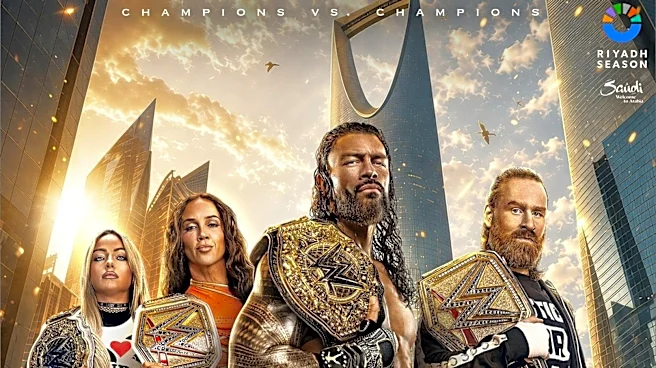
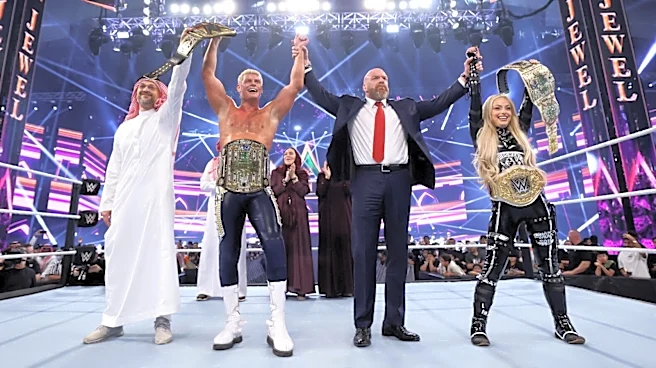
Higher-ups within WWE are reportedly interpreting recent comments made by Turki Alalshikh regarding boxer Canelo Alvarez as a veiled criticism directed at them. This comes as WWE is weighing its options concerning its upcoming Crown Jewel Premium Live
Event (PLE) scheduled to take place in Saudi Arabia. There are significant internal safety concerns within the company due to the tense situation in the Middle Eastern nation. Dave Meltzer, speaking on Wrestling Observer Radio, indicated that many in WWE believe Alalshikh's remarks were a message for them, especially given their expressed uncertainty about the trip. Alalshikh had posted on X, confirming that Canelo Alvarez would still fight in Riyadh in October, praising Alvarez for being a 'true friend' during 'hard times' for him and the Saudi regime. This statement was made amidst concerns about the fight being canceled due to the regional situation. The ultimate decision on whether to proceed with Crown Jewel will rest with TKO President Ari Emanuel, though input from senior TKO officials, including Nick Khan, will be considered.
Why It's Important?
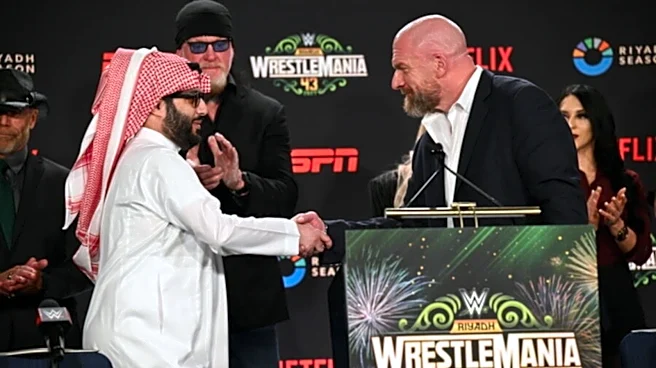
This situation highlights the complex and often controversial nature of WWE's lucrative partnership with Saudi Arabia. The company has faced backlash in the past for holding events in the region, notably in 2018. The current internal debate and the perceived 'dig' from a prominent Saudi official underscore the geopolitical sensitivities impacting major U.S. entertainment companies operating internationally. For WWE, the decision to proceed or cancel Crown Jewel carries significant financial implications, given the partnership's profitability, but also potential reputational risks and safety concerns for its talent and staff. The involvement of TKO President Ari Emanuel signifies the high-level corporate scrutiny this decision is receiving, indicating that the company is navigating a delicate balance between business interests and employee welfare in a volatile international environment. The outcome could set a precedent for how U.S. entertainment entities manage operations in regions facing geopolitical instability.
What's Next?
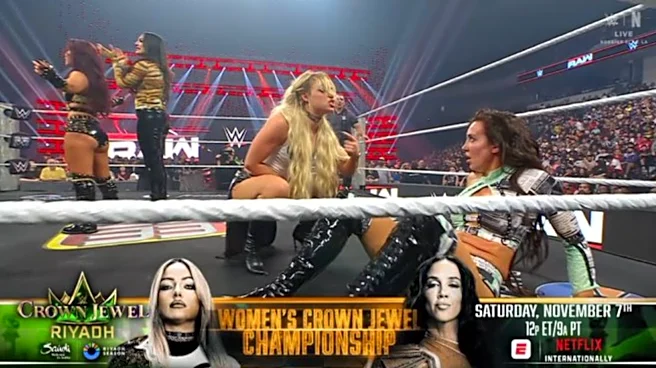
The immediate next step involves TKO President Ari Emanuel making a final decision on whether WWE will proceed with the Crown Jewel PLE in Saudi Arabia. This decision will likely incorporate input from WWE President Nick Khan and other senior TKO officials, who are actively monitoring the situation. Despite the internal concerns, WWE has begun airing promotional material for Crown Jewel, which aired hours after Alalshikh's comments. However, this promotion is not a definitive confirmation that the event will go through, as TKO officials continue to assess the evolving situation. Potential reactions from stakeholders could include further public statements from Saudi officials, increased pressure from human rights organizations, or a shift in WWE's long-term strategy regarding international events in politically sensitive regions. The company will need to carefully manage public perception and ensure the safety of its personnel, regardless of the final decision.
Beyond the Headlines
The ongoing dilemma for WWE extends beyond immediate safety concerns and financial considerations, touching upon broader ethical and cultural dimensions of international business partnerships. The 'hard times' referenced by Turki Alalshikh in his post allude to the complex geopolitical landscape of the Middle East, which can entangle global entertainment brands in political narratives. WWE's past experiences, such as the backlash in 2018, illustrate the long-term reputational challenges associated with operating in regions with controversial human rights records or political instability. This situation forces a re-evaluation of the balance between economic opportunity and corporate social responsibility. The perceived 'dig' also highlights the subtle yet potent forms of diplomatic communication that can occur between state-affiliated entities and international corporations, influencing business decisions and public perception. The outcome of this decision could influence how other U.S. companies approach similar high-stakes international ventures, potentially leading to more stringent risk assessments and ethical considerations in their global expansion strategies.