



What's Happening?
The luxury fashion industry is undergoing a significant shift from selling brand uniforms to offering personality-based styling, a trend Highsnobiety terms 'charactermaxxing.' This new approach focuses on providing consumers with archetypes and personas
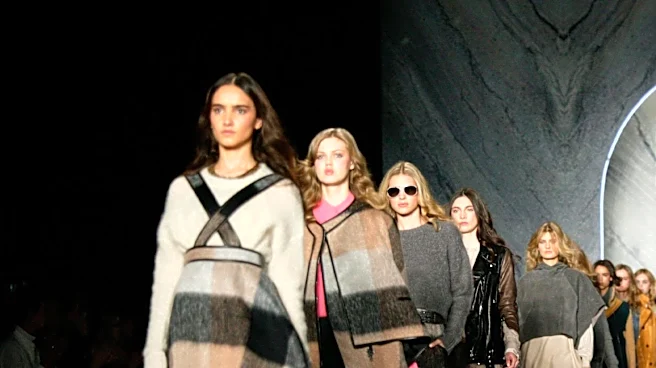
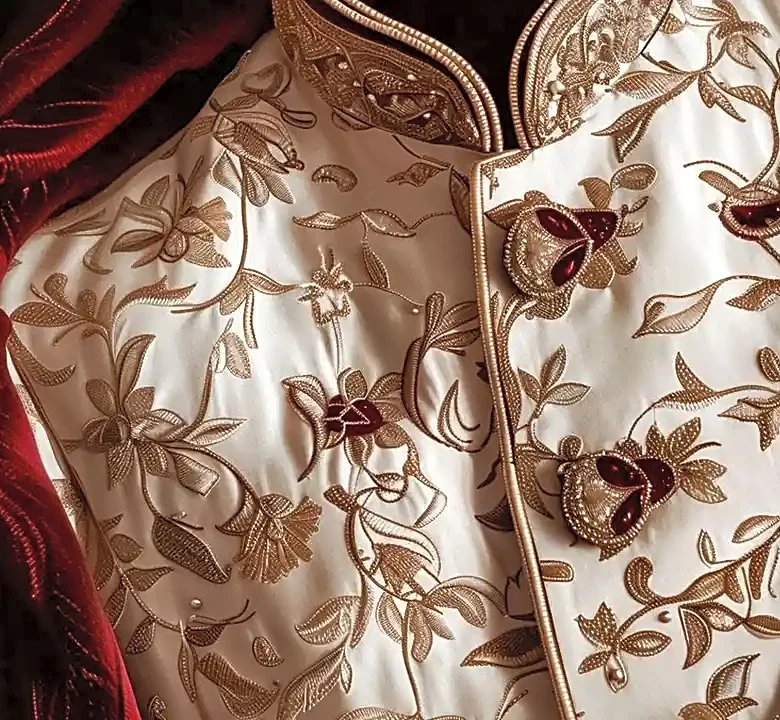
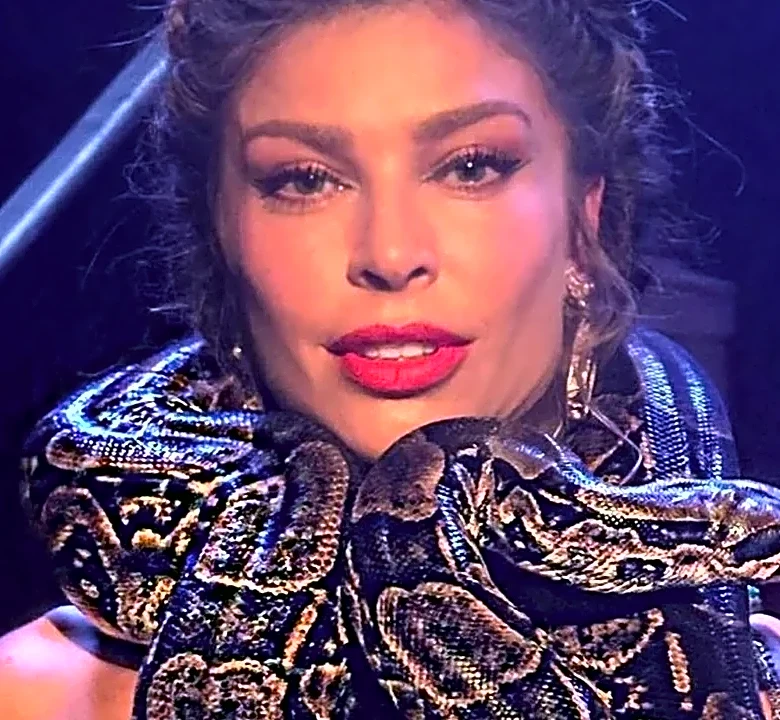
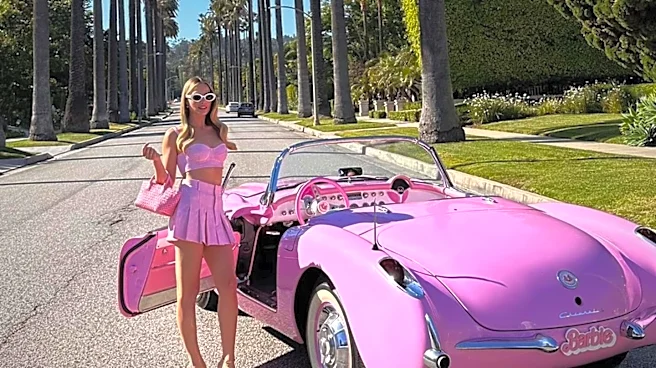
to inhabit rather than singular outfits. For instance, Louis Vuitton's Spring/Summer 2027 menswear pre-collection features lookbooks categorized by different men's archetypes, such as 'The Weatherman' and 'Monogram Reporter,' each with distinct styles. Similarly, Gucci's SS26 collection, 'La Famiglia,' offered archetypes like 'La Diva' and 'Inroverso,' even including a website quiz to help customers discover which look best reflects their personality. This strategy aims to segment taste into predictive personality types, encouraging aspirational luxury shoppers to find themselves within signature pieces. The goal is to foster brand loyalists by aligning fashion choices with individual identities, moving beyond traditional brand uniformity.
Why It's Important?
This strategic pivot by major luxury brands like Louis Vuitton and Gucci signifies a deeper understanding of modern consumer behavior and identity. In an era where personal expression is highly valued, 'charactermaxxing' allows brands to connect with a broader and more diverse customer base by catering to various 'types' and 'subtypes' in style. This approach could lead to increased brand loyalty as consumers feel a stronger personal connection to the products that supposedly reflect their identity. For the fashion industry, it represents an evolution from dictating taste to facilitating self-discovery through clothing. However, if executed poorly, this strategy risks making outfits feel like costumes, potentially alienating consumers seeking authenticity. The success of this trend will depend on how genuinely brands can offer diverse personas without appearing superficial or overly prescriptive, impacting how luxury fashion is marketed and consumed in the coming years.
Beyond the Headlines
The 'charactermaxxing' trend in luxury fashion reflects broader societal shifts towards individualized identity and curated personal brands. In an increasingly digital world where individuals craft their online personas, fashion brands are now offering tangible extensions of these identities. This move also highlights the influence of digital culture, such as Buzzfeed-style quizzes, on traditional industries. Ethically, it raises questions about the authenticity of self-expression when guided by commercial entities; are consumers truly finding themselves, or are they being sold a pre-packaged identity? Legally, this approach could lead to new forms of intellectual property around 'character' or 'persona' branding within fashion. Culturally, it signifies a departure from the aspirational ideal of a singular, elite fashion taste towards a more fragmented, personalized, and perhaps more democratic, albeit commercially driven, approach to luxury. This could reshape how fashion influences and reflects cultural identity in the long term.