


What's Happening?
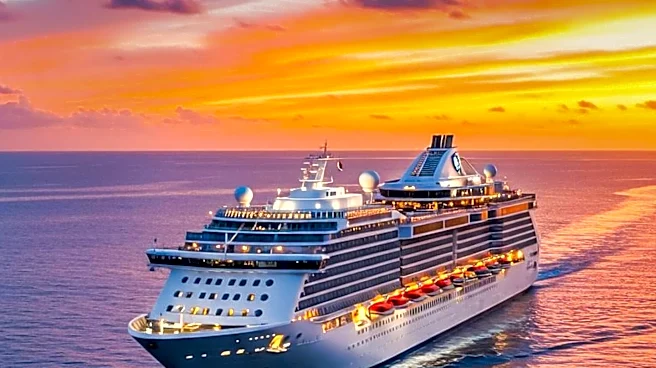
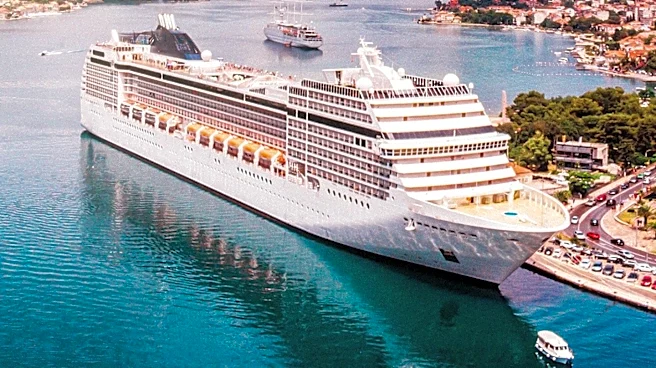
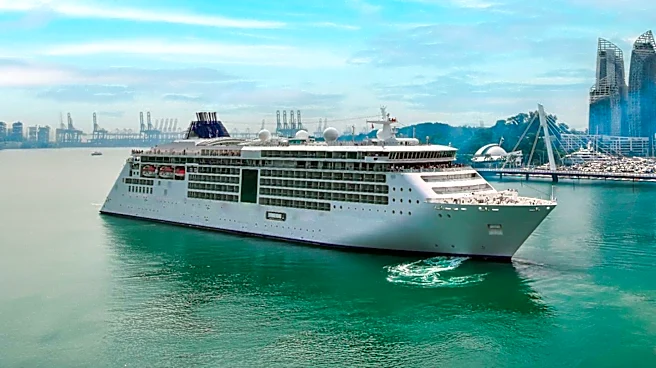
The cruise industry is experiencing significant changes as it prepares for 2026 and 2027. New ships, such as the LNG-powered MSC World Asia, are set to join the global fleet, which is expected to grow from 459 to 540 ships by 2037. This expansion will
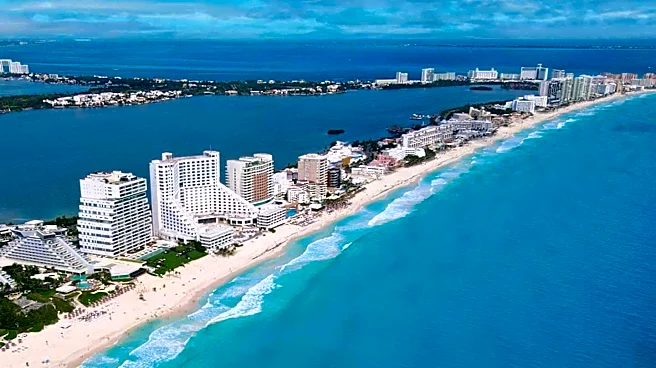
increase passenger capacity to nearly 50 million. The industry is also seeing a rise in themed voyages, including true crime experiences and wellness-focused sailings. Younger passengers, particularly those aged 18 to 35, are increasingly embracing cruises, with a notable interest in Mediterranean and Caribbean itineraries. This demographic shift is supported by data from MSC Cruises and the Cruise Lines International Association, highlighting the Mediterranean as a leading cruise region.
Why It's Important?
The evolving trends in the cruise industry reflect broader shifts in travel preferences and demographics. The introduction of new ships and themed voyages caters to a younger audience seeking unique and flexible travel experiences. This demographic shift could drive growth in the cruise sector, particularly in regions like the Mediterranean and Caribbean. Additionally, the focus on sustainability, as seen with the hydrogen-powered Viking Libra, aligns with global environmental goals. The industry's ability to adapt to these trends may determine its future success and influence travel patterns worldwide.
What's Next?
As the cruise industry continues to evolve, companies are likely to introduce more innovative and sustainable offerings to attract younger travelers. Themed voyages and unique experiences will likely become more prevalent, catering to niche interests such as wellness and true crime. The industry's focus on sustainability may also lead to further advancements in eco-friendly ship technology. Cruise lines will need to balance these innovations with affordability to maintain appeal across diverse demographics.