






What's Happening?
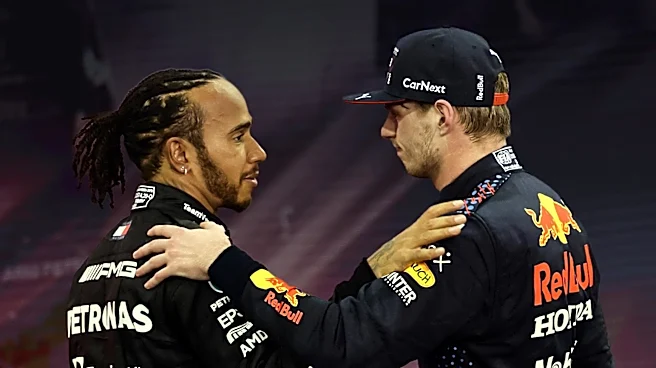
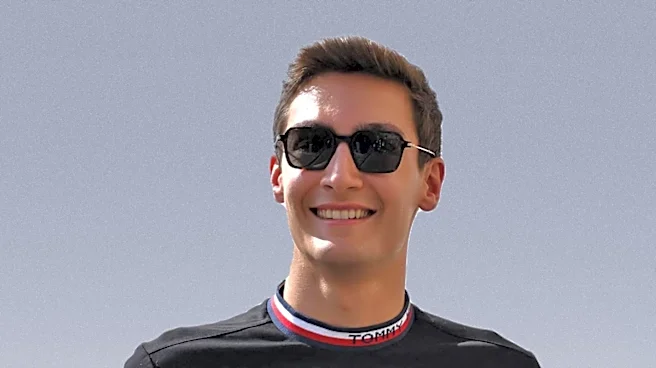
Christian Horner, in his new autobiography 'Drive,' has disclosed that Red Bull approached George Russell's management for a potential move to the team. This move occurred in July 2025, during the British Grand Prix, and was a direct response to Mercedes'
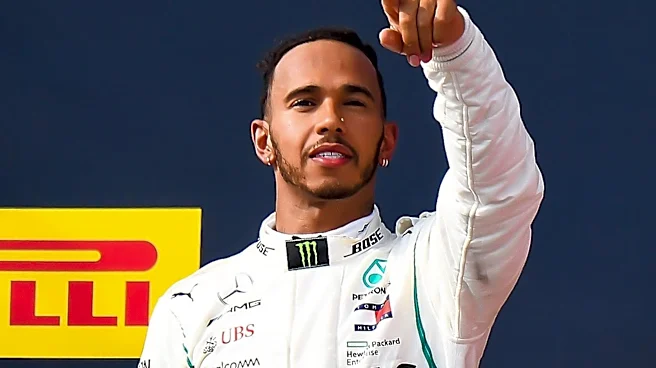
public courting of Max Verstappen. Horner stated he decided to 'fight fire with fire' due to Mercedes Team Principal Toto Wolff's persistent attempts to lure Verstappen away from Red Bull. Horner also revealed that Carlos Sainz Jr. visited Red Bull to discuss a potential 2026 move. Despite Mercedes' efforts, Verstappen ultimately signed a contract extension with Red Bull through 2030, putting an end to transfer rumors. Horner's tenure as Red Bull Team Principal and CEO concluded shortly after these events.
Why It's Important?
This revelation underscores the intense and often aggressive competition for top talent within Formula 1, extending beyond on-track performance to strategic team management and driver acquisitions. The 'fight fire with fire' approach by Horner highlights the high-stakes nature of team principal rivalries and the lengths to which teams will go to secure or retain competitive advantages. The pursuit of George Russell, a prominent Mercedes driver, by Red Bull, a rival team, could have significantly reshaped the driver market and team dynamics. Such maneuvers impact not only the drivers involved but also the stability and morale of the teams, potentially influencing future championship outcomes and sponsorship deals. The public disclosure of these behind-the-scenes negotiations offers a rare glimpse into the strategic chess game played by F1's leading figures.
What's Next?
While Christian Horner has since departed Red Bull, the insights from his autobiography could continue to fuel discussions about team strategies and driver market dynamics. The detailed account of Red Bull's approach to George Russell and the context of Mercedes' pursuit of Max Verstappen may influence how teams conduct future negotiations, potentially leading to more discreet or formalized processes. The long-term contracts signed by both Verstappen and Russell have stabilized the driver market for their respective teams for the foreseeable future. However, the underlying competitive tension between top teams for talent is likely to persist, with future driver contract cycles potentially seeing similar high-stakes maneuvers. The revelations also serve as a historical record of the intense rivalries that define Formula 1.
Beyond the Headlines
The narrative presented by Christian Horner goes beyond simple driver transfers; it illustrates the psychological warfare and strategic maneuvering that are integral to Formula 1 at the highest levels. The public 'courting' of drivers by rival teams can be seen as a tactic to destabilize competitors, create uncertainty, and gain a psychological edge. This aspect of F1, often hidden from public view, reveals the complex interplay of personal relationships, team loyalties, and contractual obligations. It also raises questions about the ethical boundaries of such competitive tactics and their impact on driver well-being and team cohesion. The transparency offered by Horner's autobiography provides a valuable, albeit biased, perspective on the intricate power dynamics that shape the sport, highlighting that success in F1 is as much about off-track strategy as it is about on-track performance.