




What's Happening?
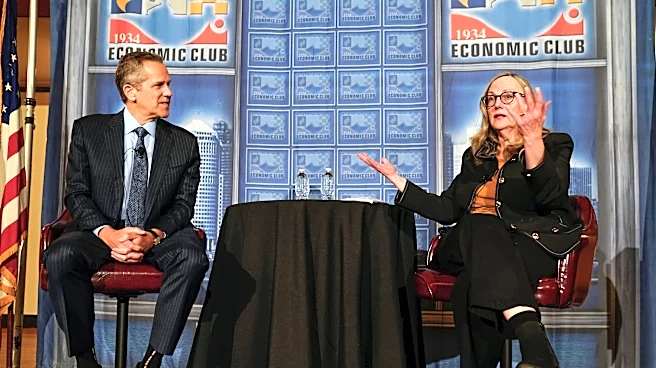
JPMorgan Chase, under the leadership of CEO Jamie Dimon, is investing up to $1 billion in Michigan's manufacturing sector through the Michigan Launchpad for Industrial Innovation & Transformation (LIFT) initiative. This collaborative effort, which includes
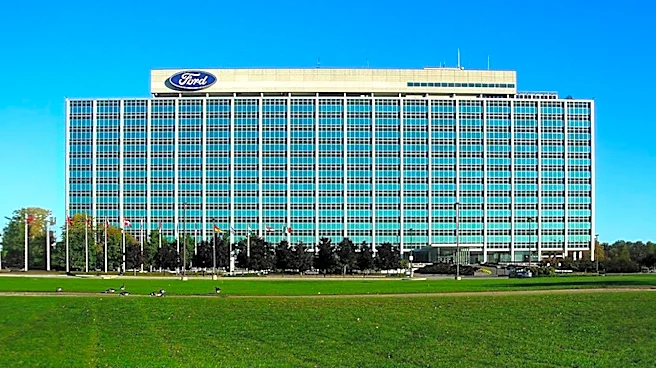
Ford and other partners, aims to strengthen U.S. supply chains and support domestic production of components and critical technologies. The initiative seeks to address challenges such as uncertain customer demand, volatility, inflation, and skills gaps within industries. Michigan was chosen as the starting point due to its extensive supplier base, growing innovation ecosystem, and skilled manufacturing workforce. In addition to the LIFT platform, Ford Philanthropy and JPMorgan Chase are contributing $550,000 to Ford: HOPE, a non-profit providing job training and education in industrial manufacturing, including robotics, welding, and other skills.
Why It's Important?
This significant investment by JPMorgan Chase and Ford is crucial for bolstering the U.S. manufacturing sector and enhancing supply chain resilience. The initiative directly addresses vulnerabilities exposed by recent global disruptions, aiming to reduce reliance on foreign production for critical components. By fostering the growth of innovative suppliers and upskilling the workforce, Michigan LIFT is expected to drive long-term industrial growth and create new job opportunities within the state. The focus on job training and education through Ford: HOPE will equip individuals with essential skills for modern manufacturing, thereby bridging existing skills gaps and empowering a new generation of workers. This public-private collaboration serves as a model for how major corporations can contribute to national economic security and regional development, potentially inspiring similar initiatives in other states and industries.
What's Next?
The Michigan LIFT initiative is expected to lead to increased investment in manufacturing infrastructure and technology within Michigan. The success of this program will likely be monitored closely, with the founders exploring the possibility of replicating this model in other regions across the U.S. The ongoing training programs through Ford: HOPE will continue to develop a skilled workforce, which could attract further manufacturing businesses to the state. Over time, this initiative aims to create a more robust and self-sufficient U.S. supply chain, reducing the impact of external shocks on critical industries. The collaboration between financial institutions, automotive giants, and non-profits could also set a precedent for future cross-sector partnerships aimed at national economic development and workforce empowerment.
Beyond the Headlines
The Michigan LIFT initiative represents a strategic shift towards re-shoring and strengthening domestic manufacturing capabilities, reflecting a broader national interest in economic sovereignty and resilience. Beyond the immediate economic benefits, this investment has significant implications for national security, particularly in critical technology sectors. By reducing dependence on global supply chains, the U.S. can mitigate risks associated with geopolitical tensions and trade disruptions. Furthermore, the emphasis on workforce development through job training programs highlights a recognition that technological advancements in manufacturing require a continuously evolving skill set. This initiative could also foster a renewed sense of community and economic opportunity in regions historically impacted by deindustrialization, contributing to social stability and equitable growth.