







What's Happening?
Smith Entertainment Group Chair & CEO Ryan Smith has initiated an online survey to gather public input on the types of local restaurants and shops desired within the forthcoming district at the Delta Center. This development precedes construction, which
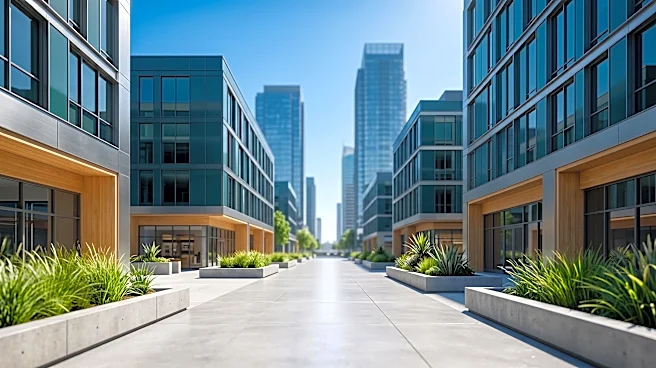
is slated to commence next year. The survey mirrors a previous public engagement effort in 2024, which sought community feedback for naming Utah's NHL team, ultimately leading to the selection of the 'Mammoth' name. Progress on the new district has been gradual, primarily due to Smith's focus on the arena's remodel over the past two summers. Last year, Smith secured an agreement with Salt Lake County to acquire 6.5 acres of Salt Palace land, located east of the Delta Center, for $55.4 million. This acquisition is intended to facilitate the creation of a vibrant district adjacent to the arena. Initial, albeit vague, plans for the district include a walkable promenade connecting the district to the arena, a hotel, and potentially multiple housing towers. These details emerged during the pursuit of an NHL team, indicating a broader vision for urban development around the sports complex.
Why It's Important?
This initiative is significant for urban development and economic growth in Salt Lake City, particularly around the Delta Center. The planned district aims to transform the area into a more dynamic and attractive destination, potentially boosting local commerce and tourism. By involving residents in the planning process, Smith Entertainment Group is attempting to ensure that the new establishments cater to community needs and preferences, which could foster greater public support and utilization of the district. The investment of $55.4 million for land acquisition underscores a substantial commitment to this urban revitalization project. The inclusion of a walkable promenade, a hotel, and housing towers suggests a comprehensive approach to creating a mixed-use environment, which can enhance the liveability and economic vitality of the area. This project could serve as a model for integrating sports and entertainment venues with broader urban development, creating synergistic benefits for both the local economy and residents. The success of this district could also influence future urban planning strategies in other U.S. cities looking to leverage sports facilities for wider community development.
What's Next?
Following the survey, Smith Entertainment Group will likely analyze the collected feedback to refine the development plans for the Delta Center district. Construction is anticipated to begin next year, indicating that more concrete details regarding specific businesses, architectural designs, and timelines will likely be unveiled in the coming months. The project's progression will involve continued collaboration with Salt Lake County and other stakeholders to ensure compliance with urban planning regulations and community expectations. Further announcements regarding partnerships with restaurant and retail operators are also expected as the development moves closer to its construction phase. The public will likely see more detailed renderings and proposals for the hotel and housing components of the district. The success of this initial public engagement phase will be crucial in shaping the subsequent stages of development and ensuring that the district aligns with the community's vision for the area.
Beyond the Headlines
The development of the Delta Center district extends beyond mere commercial expansion; it represents a strategic effort to create a cohesive urban experience around a major sports and entertainment hub. The emphasis on a 'walkable promenade' and mixed-use facilities suggests a move towards more pedestrian-friendly and integrated urban environments, which can improve quality of life and reduce reliance on vehicular traffic. This project also highlights the growing trend of sports franchises and entertainment groups investing in broader urban development to create destination districts, rather than just standalone venues. The integration of housing, retail, and hospitality services around the Delta Center could foster a vibrant community, potentially leading to increased property values and a more dynamic urban core. Furthermore, the public survey approach reflects a commitment to community-centric development, aiming to mitigate potential gentrification concerns and ensure that the new district serves the existing population while attracting new visitors and residents. This holistic approach to urban planning could set a precedent for future large-scale developments in U.S. cities.