






What's Happening?
In the context of cow-calf production, forage is the primary component of the diet. However, when forage quality or quantity is insufficient, supplemental feeds become necessary to maintain cow performance. These supplements can provide essential nutrients
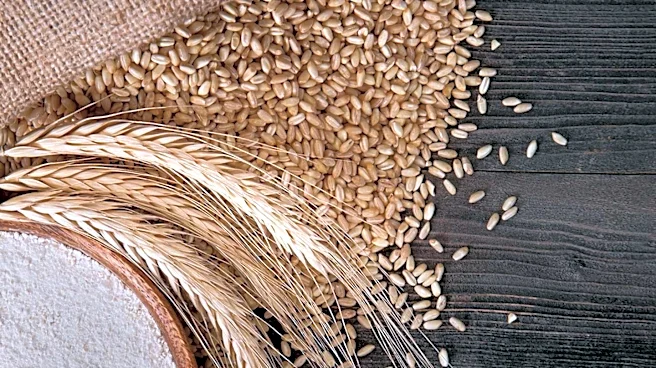
such as energy, protein, minerals, and vitamins. The selection of appropriate supplements is crucial to support forage utilization without hindering it. Traditionally, cereal grains are used as energy supplements, but excessive consumption can negatively impact rumen function due to high starch content. This can lead to reduced forage digestion and overall productivity.
Why It's Important?
The use of supplemental feeds is vital for maintaining the productivity of beef cows, especially when forage resources are limited. Proper supplementation can enhance the nutritional intake of cattle, ensuring they meet their dietary requirements for optimal growth and health. This is particularly important in maintaining the economic viability of beef production, as inadequate nutrition can lead to decreased productivity and profitability. By carefully selecting and managing supplemental feeds, producers can mitigate the negative effects of forage limitations and support the overall health and performance of their herds.
What's Next?
Producers will need to continue evaluating their forage resources and adjust their supplementation strategies accordingly. This may involve exploring alternative feed options and consulting with agricultural experts to optimize feed efficiency. As market conditions and weather patterns evolve, producers must remain adaptable and proactive in their feeding practices to ensure the sustainability of their operations. Ongoing research and education on supplemental feeding strategies will be essential to support producers in making informed decisions.