

What's Happening?
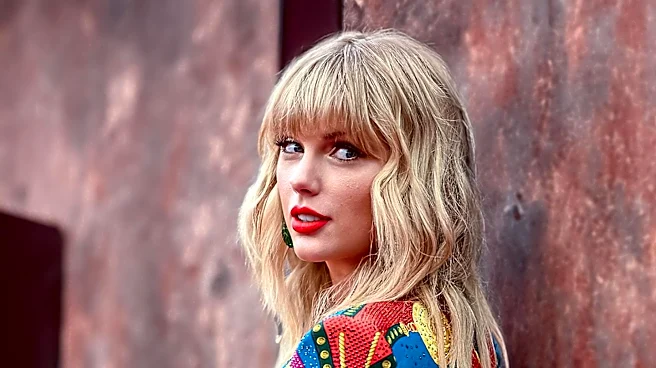
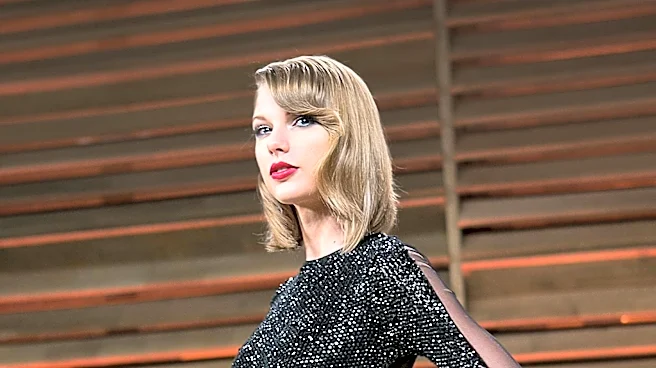
British broadcaster Piers Morgan publicly defended Taylor Swift on November 24, following the publication of a critical Vanity Fair profile titled 'The Mastermind.' The article, released on November 23, depicted Swift as 'controlling and manipulative,'
citing over 100 anonymous sources. Morgan, using his personal experience with the pop star, disputed this characterization on social media. He described the Vanity Fair piece as 'the b--------, nastiest hatchet job I've ever read in a supposedly elite magazine.' Morgan highlighted Swift's work ethic, talent, generosity, and down-to-earth nature, contrasting it with the magazine's portrayal. The Vanity Fair profile also scrutinized Swift's personal relationships, her public image, and her wedding to Travis Kelce, which reportedly involved 1,000 guests at Madison Square Garden. Allegations within the profile included claims that Swift would retaliate against those who disagreed with her and abruptly end friendships. Swift declined to comment on the allegations to Vanity Fair.
Why It's Important?
This event highlights the ongoing scrutiny faced by high-profile celebrities and the impact of media narratives on public perception. Morgan's defense, based on personal interaction, challenges the credibility of anonymous sources often used in celebrity profiles, raising questions about journalistic ethics and the potential for biased reporting. For Taylor Swift, a figure with immense cultural and economic influence, such a profile could affect her public image and brand, potentially influencing fan loyalty and future endorsements. The debate also underscores the power of social media as a platform for public figures to directly address media portrayals and for fans to engage in discussions, shaping public opinion in real-time. The differing reactions to Morgan's stance reflect the polarized views often held about celebrities and the media's role in shaping their narratives.
What's Next?
The immediate aftermath will likely see continued discussion on social media regarding the Vanity Fair profile and Morgan's defense. Fans of Taylor Swift may rally further in her support, while critics of both Swift and Morgan may amplify their opposing viewpoints. It is unlikely that Vanity Fair will retract its article, given its reliance on numerous sources, though the controversy may prompt further internal discussions about reporting practices. Taylor Swift herself may choose to address the profile directly in future public appearances or through her own social media channels, or she may opt to let the controversy subside. The incident could also influence how other media outlets approach future profiles of major celebrities, potentially leading to more cautious reporting or a greater emphasis on direct quotes and verifiable information.
Beyond the Headlines
This incident delves into broader themes of celebrity culture, media responsibility, and the nature of truth in an era of pervasive digital information. The reliance on anonymous sources in such a high-profile piece raises ethical questions about accountability and fairness in journalism, especially when the subject declines to comment. It also touches upon the double-edged sword of celebrity: while fame brings immense influence and wealth, it also subjects individuals to intense public scrutiny and often unverified claims. The public's reaction, split between defending Swift and criticizing Morgan or the magazine, reflects a deeper societal debate about how we consume and interpret information about public figures, and the inherent biases that can shape these perceptions. This event could contribute to a growing skepticism towards traditional media narratives, pushing audiences to seek out diverse perspectives and question the motivations behind published stories.