


What's Happening?
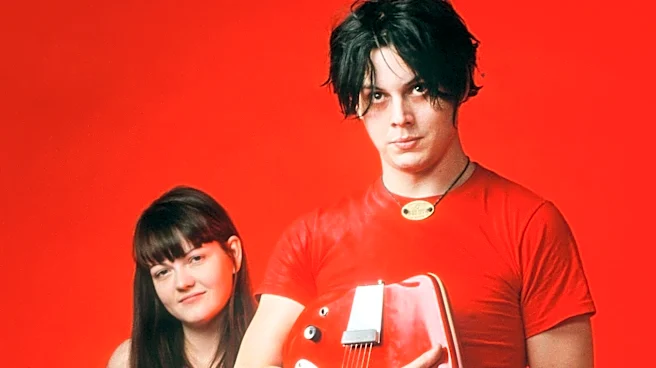
Jack White, a prominent figure in rock music, has spoken out about the concept of authenticity within the genre and how it can sometimes hinder artistic expression. He specifically recalled his early career with The White Stripes, noting the press's intense
focus on the band's Detroit origins. White believes this emphasis on their background often overshadowed the music itself. He highlighted a perceived disparity, stating that while other artists are rarely questioned about their hometowns, he was constantly asked about Detroit. This focus, he suggests, created a narrative of 'authenticity' tied to the city's 'dirty, crumbling' image, which he felt was exploited by the English press. White's comments underscore a broader issue faced by bands, where the expectation to maintain a certain image or origin story can conflict with their artistic evolution and public perception.
Why It's Important?
White's perspective sheds light on the complex relationship between artists, media, and audience expectations in the music industry. His experience with The White Stripes illustrates how geographical origins can be commodified and used to define a band's 'authenticity,' potentially limiting their artistic freedom and public reception. This phenomenon can impact U.S. artists by creating pressure to conform to pre-conceived notions based on their background, rather than allowing their music to speak for itself. It also highlights the role of media in shaping public narratives around artists, which can influence their career trajectories and commercial success. For emerging artists, White's observations serve as a cautionary tale about the potential pitfalls of media-driven authenticity narratives and the importance of maintaining artistic integrity despite external pressures.
What's Next?
White's comments may encourage further discussion within the music industry and among artists about the pressures of authenticity and media portrayal. This could lead to a re-evaluation of how artists are presented and perceived, potentially shifting the focus from their origins to their creative output. Artists might become more vocal about controlling their narratives, and media outlets may be prompted to consider the implications of their framing of artists' backgrounds. For fans, it could foster a more nuanced understanding of the challenges artists face beyond their music, encouraging them to look beyond superficial labels and appreciate the art itself. This ongoing dialogue could contribute to a more artist-centric approach in the music industry, where creative expression is prioritized over manufactured authenticity.
Beyond the Headlines
The discussion around authenticity in rock music, as raised by Jack White, touches upon deeper cultural and ethical considerations. It highlights how societal expectations and media narratives can inadvertently create a 'purity test' for artists, where deviation from an established image is seen as 'selling out.' This can stifle innovation and artistic growth, as artists might feel compelled to adhere to a specific persona or sound to maintain their perceived authenticity. The commercialization of an artist's background, as White describes with Detroit, also raises questions about exploitation and the commodification of identity. This issue extends beyond music, resonating with broader debates about representation, cultural appropriation, and the pressures on individuals to conform to external expectations in various creative fields. It underscores the ongoing tension between artistic freedom and the demands of the market and public perception.