
What's Happening?
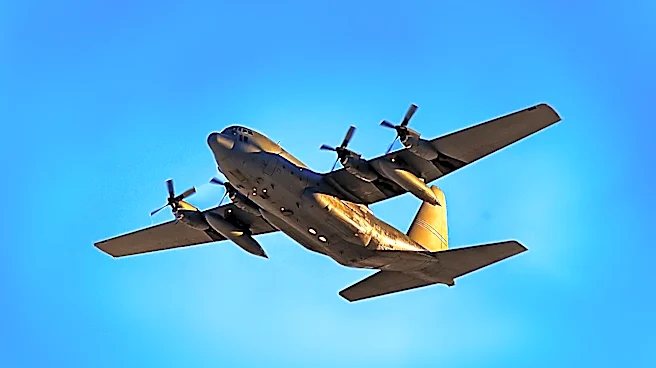
Lockheed Martin's C-130J Super Hercules is among the aircraft being evaluated by the Chilean Air Force (FACh) as it seeks to modernize or complement its existing fleet of C-130 Hercules. The FACh is considering
several proposals, including the C-27J Spartan from Leonardo, the KC-390 Millennium from Embraer, and a formal offer from Spain for the A400M Atlas. This evaluation process involves assessing various factors such as life cycle costs, support, delivery timelines, and potential industrial offsets that could involve Chile's National Aeronautical Company (ENAER). While Embraer has been actively promoting its KC-390 through high-level meetings and demonstrations, no final decision or fixed timeline has been announced by the FACh regarding the acquisition. The competition highlights the ongoing efforts by global aerospace manufacturers to secure defense contracts in Latin America.
Why It's Important?
This competition is significant for Lockheed Martin as it represents an opportunity to expand its presence and influence in the Latin American defense market. Securing a contract with the Chilean Air Force for the C-130J Super Hercules would not only generate substantial revenue but also reinforce Lockheed Martin's position as a leading provider of military transport aircraft globally. A successful bid could also pave the way for future sales and partnerships in the region, potentially influencing other countries' defense procurement decisions. Conversely, losing the bid to competitors like Embraer or Airbus could impact Lockheed Martin's market share and reputation in a strategically important region. The decision will also have implications for the Chilean Air Force's logistical capabilities and its ability to conduct various missions, including humanitarian aid, troop transport, and cargo delivery, for decades to come.
What's Next?
The Chilean Air Force will continue its evaluation of the competing aircraft, focusing on detailed analyses of technical specifications, operational costs, and long-term support agreements. Stakeholders, including Lockheed Martin, Embraer, Leonardo, and Airbus, will likely maintain active engagement with Chilean defense officials to highlight the advantages of their respective offerings. The decision-making process is expected to consider not only the immediate acquisition costs but also the broader economic and strategic benefits, such as industrial cooperation and technology transfer. The outcome of this evaluation will determine the future composition of the FACh's transport fleet and could set a precedent for similar modernization programs in other Latin American nations. Further high-level discussions and demonstrations are anticipated before a final selection is made.
Beyond the Headlines
The competition for the Chilean Air Force contract extends beyond a simple aircraft sale; it reflects broader geopolitical and economic dynamics. For Lockheed Martin, securing this contract would underscore the continued relevance and advanced capabilities of U.S.-made defense technology in a competitive global market. The emphasis on life cycle costs and industrial offsets suggests a growing trend where purchasing nations seek not just equipment but also long-term economic benefits and technological partnerships. This approach can foster deeper strategic alliances and integrate the purchasing nation into the global supply chains of major defense contractors. The decision will also highlight the evolving landscape of military aviation, where traditional powers face increasing competition from emerging manufacturers, leading to more diverse and technologically advanced options for defense forces worldwide.