



What's Happening?
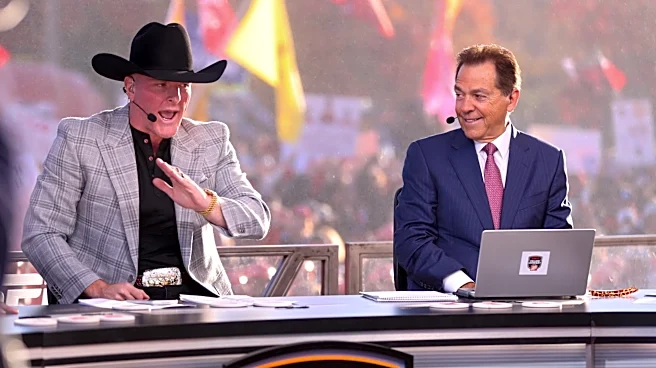
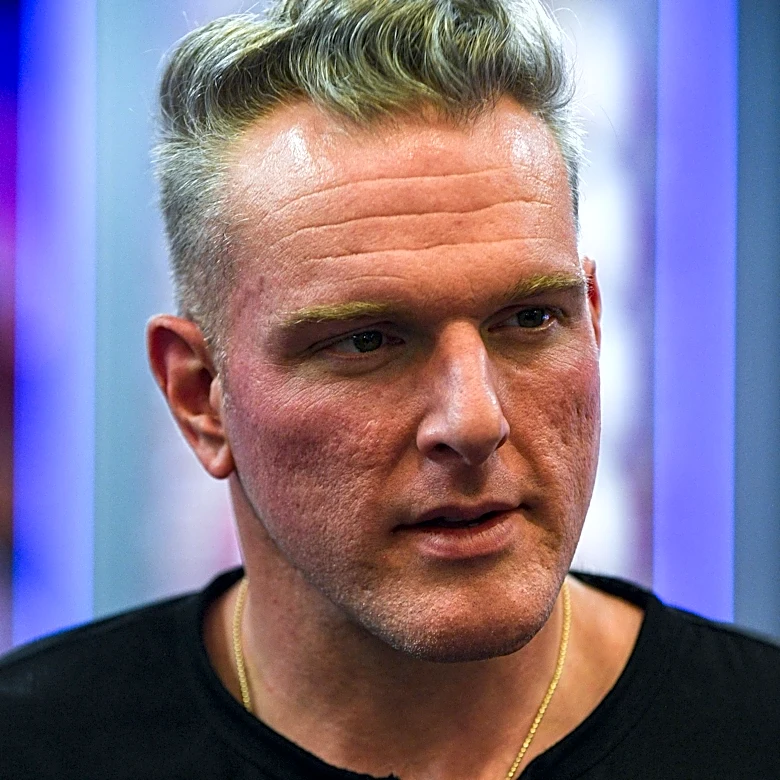
SiriusXM host Katie Nolan has accused Pat McAfee of acting 'irresponsibly' and then expecting others to be responsible for his 'emotional well-being.' Nolan's comments follow McAfee's public expression of discomfort after hosting ESPN's 'College GameDay'
at the University of Utah. The discomfort stemmed from an official university account posting a video where students made fun of McAfee's on-air persona. McAfee likened the risks he faced at the school to those of Charlie Kirk, who was assassinated at Utah Valley University, and mentioned being contacted by the FBI after Kirk's death regarding security concerns. Nolan, on her podcast, criticized McAfee for frequently presenting himself as a victim despite his significant success in sports media. She also referenced past controversies, such as McAfee's discussion of unverified claims about Ole Miss student Mary Kate Cornett, as examples of his questionable judgment. Nolan contrasted McAfee's sensitivity to criticism with her own experiences in sports broadcasting, suggesting he would struggle with the level of backlash she has faced.
Why It's Important?
Katie Nolan's strong critique of Pat McAfee highlights a significant debate within sports media regarding the responsibilities of high-profile personalities. Her comments bring to the forefront questions about accountability, the handling of public criticism, and the ethical implications of on-air commentary. For ESPN, the controversy involving one of its key talents can affect its reputation and the perception of its content. The discussion also underscores the challenges faced by public figures in navigating online interactions and the potential for perceived slights to escalate into serious concerns about personal safety. Nolan's comparison of her own experiences with McAfee's reaction also draws attention to potential gender disparities in how criticism is received and expected to be handled in the media industry. This ongoing dialogue contributes to a broader re-evaluation of the standards for conduct and resilience expected from those in the public eye.
What's Next?
The public discussion initiated by Katie Nolan's comments is likely to continue influencing how Pat McAfee and other sports media personalities are perceived and how they engage with their audience and critics. While the immediate controversy with the University of Utah has subsided, the underlying issues of accountability and emotional resilience for public figures remain pertinent. McAfee's future actions and responses to criticism will be closely watched, potentially shaping his public image and his standing within ESPN. The incident may also encourage other media personalities to reflect on their own approaches to public engagement and the management of online feedback. The broader sports media landscape will continue to grapple with how to balance vibrant, personality-driven content with ethical responsibilities and the need to address genuine concerns about safety and well-being.
Beyond the Headlines
Katie Nolan's commentary on Pat McAfee extends beyond a simple media spat, touching upon deeper societal expectations of public figures. Her assertion that McAfee 'acts irresponsibly' but expects 'emotional well-being' protection speaks to a cultural tension between the desire for unfiltered, authentic personalities and the demand for professional conduct and resilience. The reference to the FBI's involvement and security concerns, while serious, is framed by Nolan as potentially 'irrational fear,' which raises questions about the perception of threats and the responsibility of public figures to manage their own anxieties. This situation also highlights the double-edged sword of social media, where direct engagement can foster connection but also expose individuals to intense scrutiny and harassment. The debate ultimately reflects a broader societal struggle to define the boundaries of free expression, personal responsibility, and emotional labor in the highly visible world of public entertainment.