





What's Happening?
Penske Logistics is actively recruiting Class A CDL Flex Truck Drivers for regional travel assignments. These positions offer an average annual salary of $90,000, with additional performance incentives potentially reaching up to $10,400 annually. Drivers are
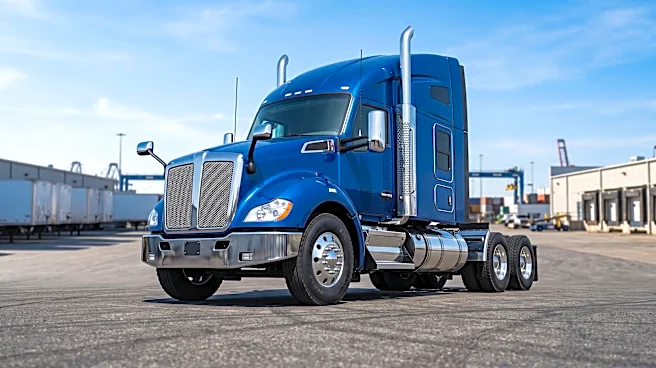
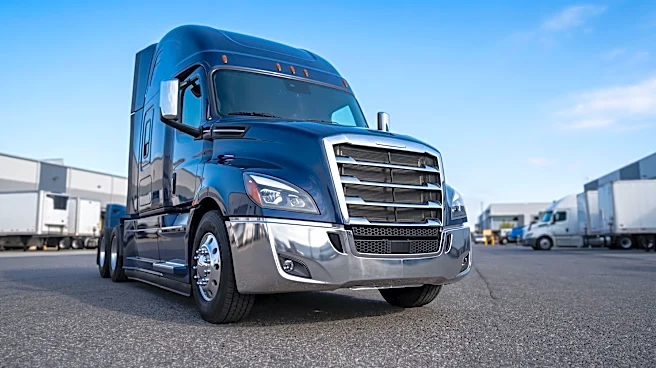
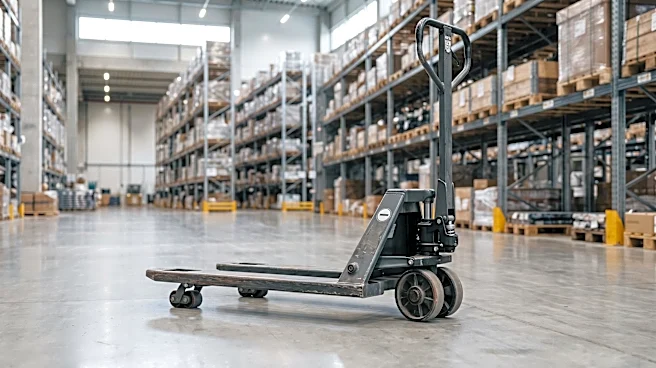
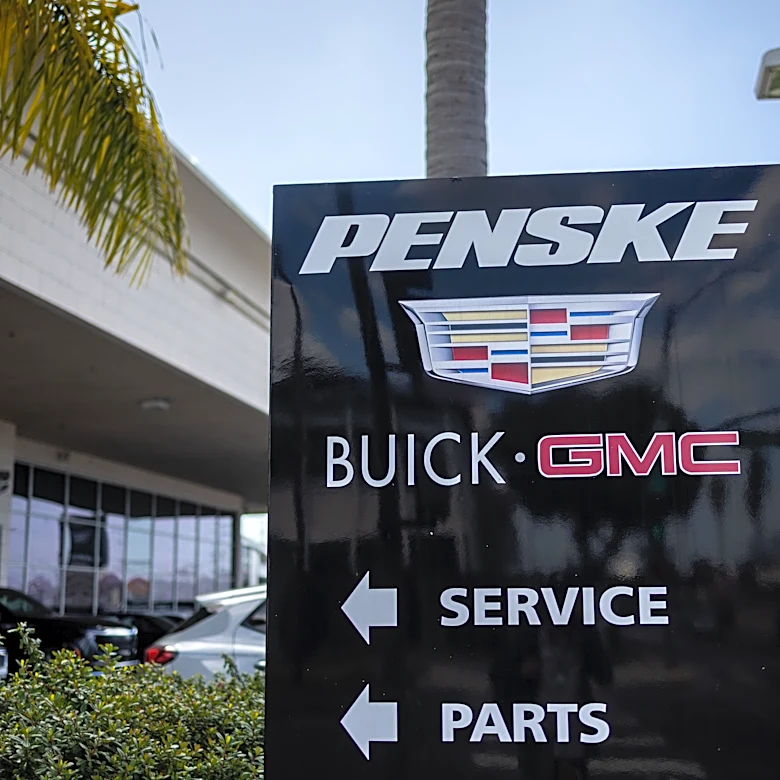
required to travel up to 100% of the time, working at various locations as needed. The role involves multi-stop deliveries of parts and supplies to automotive dealerships, requiring drivers to unload trailers using manual pallet jacks, hand trucks, and rolling cages, and to scan products upon delivery. Dispatch times will vary based on work assignments. Penske Logistics emphasizes its commitment to driver safety and comfort, providing late-model, Penske-maintained trucks equipped with best-in-class specifications and in-cab cameras. The company also offers a comprehensive benefits package, including paid vacation and holidays from day one, generous retirement benefits, excellent health care coverage (medical, dental, vision), short and long-term disability, life and AD&D insurance, company-provided uniforms and safety footwear, and an employee discount program. A driver referral bonus program of up to $5,000 per referral and a safety incentive program are also in place.
Why It's Important?
This recruitment drive by Penske Logistics highlights the ongoing demand for skilled commercial truck drivers within the U.S. logistics sector. The competitive compensation package, including a high average salary and performance incentives, reflects the critical role these drivers play in maintaining supply chain efficiency, particularly for the automotive industry. The requirement for regional travel and adaptability to various work locations indicates a need for flexible labor solutions to meet fluctuating demands across different operational hubs. The emphasis on modern, well-maintained equipment and safety features, such as in-cab cameras, underscores the industry's focus on driver well-being and operational safety, which can attract and retain qualified personnel. Furthermore, the comprehensive benefits package offered by Penske Logistics is crucial for attracting talent in a competitive labor market, ensuring that essential goods continue to be transported efficiently across the country. The investment in driver incentives and benefits also signals a recognition of the value of experienced drivers in a sector vital to the national economy.
What's Next?
Penske Logistics will continue its recruitment efforts to fill these Class A CDL Flex Truck Driver positions, aiming to bolster its workforce for regional transportation needs. Successful applicants will undergo a background investigation and drug screening, and must meet specific qualifications including a valid Class A CDL, a non-excepted interstate DOT medical card, and at least one year of documented tractor-trailer experience within the last three years. New hires will be integrated into Penske's operational framework, representing both Penske and its clients while driving branded trucks and wearing client uniforms. The company's ongoing training opportunities suggest a pathway for career advancement within the organization. The continued demand for such roles indicates that the logistics industry will likely maintain its focus on attracting and retaining skilled drivers through competitive compensation and benefits, potentially influencing labor market trends in the transportation sector. The success of this recruitment drive will directly impact Penske Logistics' ability to meet its clients' transportation and supply chain demands.
Beyond the Headlines
The demand for flex truck drivers, as evidenced by Penske Logistics' recruitment, points to a broader trend in the logistics industry towards more agile and responsive supply chain models. The need for drivers who can travel regionally and adapt to varying assignments suggests that companies are seeking to optimize their labor force to handle unpredictable shifts in demand or operational needs across different geographic areas. This flexibility can reduce reliance on fixed routes and personnel, allowing for more efficient resource allocation. The significant investment in driver compensation and benefits also highlights the increasing recognition of truck drivers as essential workers whose skills are in high demand. This could lead to further improvements in working conditions and pay across the industry, potentially attracting new entrants to the profession. Moreover, the use of advanced truck technology, such as in-cab cameras, while enhancing safety, also raises questions about driver privacy and monitoring, which are ongoing discussions within the transportation sector. The emphasis on safety and driver comfort could set new standards for the industry, influencing how other logistics companies approach their fleet management and driver relations.