



What's Happening?
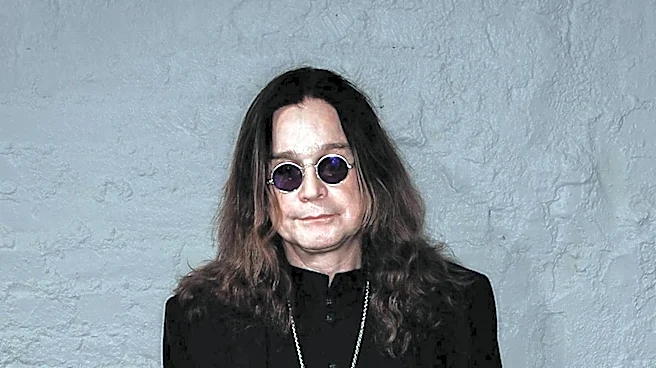
On a recent episode of The Osbournes podcast, Jack Osbourne, Sharon Osbourne, and Jack's wife Aree expressed their desire for rock and metal acts to headline the Super Bowl Halftime Show. This discussion comes as Jay-Z's Roc Nation entertainment company,
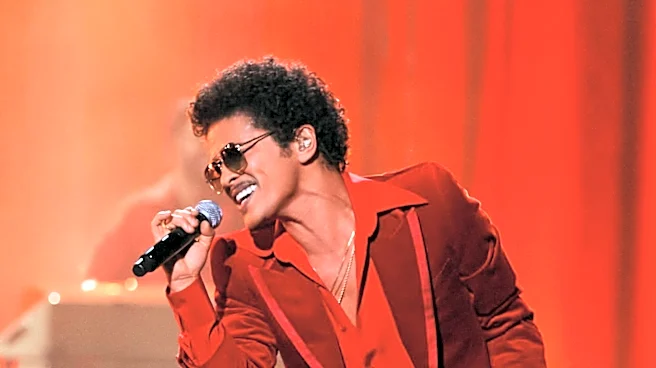
which has been instrumental in selecting performers for the past eight years, is set to have Jay-Z himself headline the 2027 show. The Osbournes, while not negative about Jay-Z, believe it's time for a change from the predominantly pop, rap, and hip-hop artists that have graced the stage. Sharon Osbourne specifically voiced her fatigue with the current trend of numerous dancers and sequins, advocating for a rock band or even Bruno Mars, whom she considers an exceptional performer. Jack Osbourne suggested a rock/metal blend featuring bands like AC/DC or Guns N' Roses, envisioning a "super band" performance.
Why It's Important?
This discussion highlights a growing sentiment among some audiences for a more diverse musical representation at the Super Bowl Halftime Show, which is one of the most-watched television events in the U.S. The shift towards pop and hip-hop over the last decade, largely influenced by Roc Nation's involvement, has alienated a segment of the viewership that prefers rock and metal. The Super Bowl Halftime Show is not just an entertainment spectacle; it's a significant cultural moment that reflects and shapes popular music trends. A return to rock or metal could re-engage a demographic that feels underserved, potentially broadening the show's appeal and viewership. Conversely, continuing with the current pop-centric focus might further solidify the NFL's strategy to attract a younger, more diverse audience, but at the risk of alienating traditional rock fans.
What's Next?
While Jay-Z is confirmed to headline the 2027 Super Bowl Halftime Show, the public discourse initiated by figures like The Osbournes could influence future decisions regarding performers. The NFL and Roc Nation will likely monitor public sentiment and viewership trends. If there's a significant and sustained push for rock and metal, it could lead to a re-evaluation of their selection criteria for subsequent years. This might involve incorporating more rock acts, either as headliners or as part of a more diverse lineup. The ongoing debate also serves as a barometer for the music industry, indicating a potential appetite for rock and metal on major national stages, which could encourage more mainstream exposure for these genres.
Beyond the Headlines
The debate over the Super Bowl Halftime Show's musical genre reflects broader cultural shifts and generational preferences in the U.S. The show's evolution from featuring rock legends in the 2000s to predominantly pop and hip-hop acts in the 2010s mirrors changes in mainstream music consumption. This discussion isn't just about musical taste; it touches upon the commercialization of culture and the power dynamics within the entertainment industry, particularly with entities like Roc Nation influencing such a high-profile event. The Osbournes' comments also highlight a generational perspective, with Sharon expressing a desire for a return to what she perceives as more authentic or less overtly theatrical performances. This ongoing tension between tradition and contemporary trends will likely continue to shape the Super Bowl Halftime Show's identity for years to come.