




What's Happening?
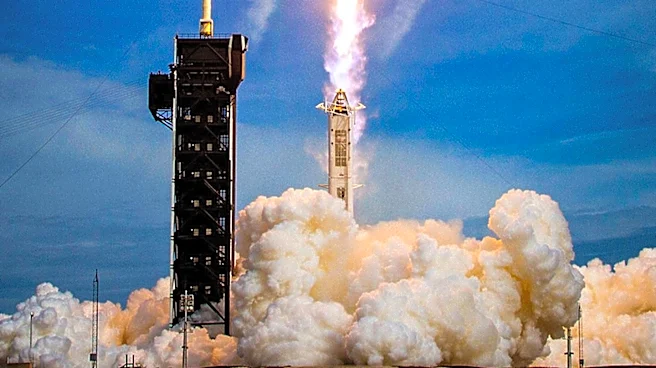
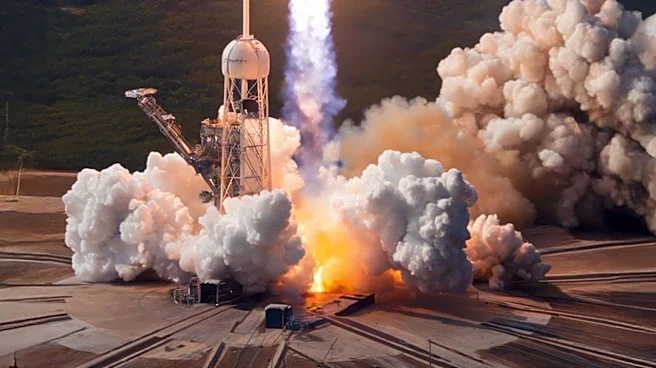
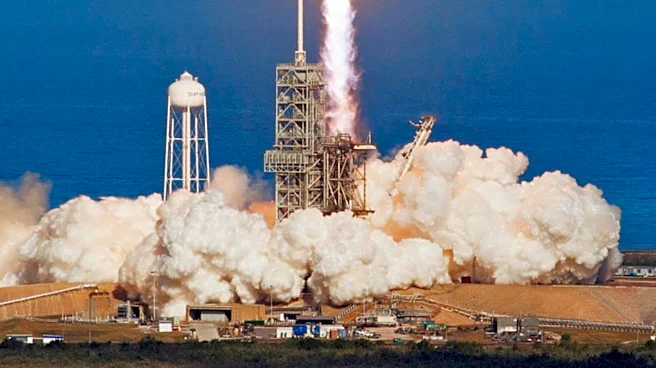
SpaceX has successfully launched another batch of Starlink satellites from Vandenberg Space Force Base in California, marking the company's 50th launch from the West Coast this year. The mission, designated Starlink 17-38, took off at 9:35 a.m. PDT and involved
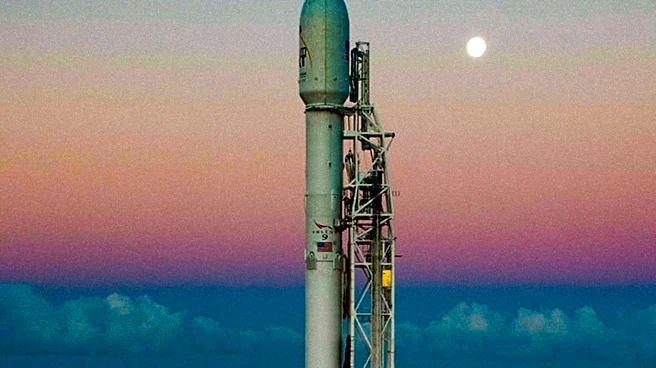
the deployment of 24 satellites into orbit. This launch is part of SpaceX's ongoing efforts to expand its Starlink internet service, which aims to provide high-speed internet access globally. The Falcon 9 rocket used for this mission was equipped with the first stage booster B1093, which has previously completed 15 missions. The booster followed a south-south-westerly trajectory and successfully landed on the drone ship 'Of Course I Still Love You' in the Pacific Ocean approximately eight minutes after liftoff. The deployment of the satellites occurred just over an hour into the flight, marking the 71st operational Starlink delivery mission of the year.
Why It's Important?
The continued expansion of SpaceX's Starlink network is significant for several reasons. Firstly, it represents a major step forward in providing global internet coverage, particularly in remote and underserved areas. This could have profound implications for education, healthcare, and economic development in regions lacking reliable internet access. Additionally, the success of these launches demonstrates SpaceX's growing capability and efficiency in space operations, potentially reducing costs and increasing the frequency of future missions. The deployment of these satellites also contributes to the broader trend of increasing commercial activity in space, which could lead to new opportunities and challenges in space governance and regulation.
What's Next?
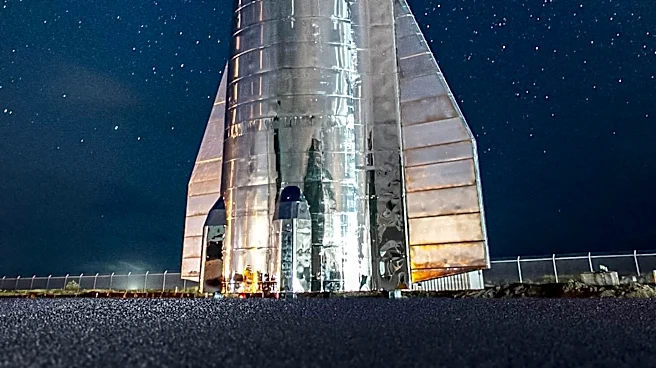
SpaceX is expected to continue its aggressive launch schedule as it works towards completing its Starlink constellation. This will likely involve further launches from both the West and East Coasts, as well as ongoing development of the Starship program, which is intended to support more ambitious missions, including those to the Moon and Mars. The company may also face regulatory and competitive challenges as other entities seek to establish their own satellite networks. Stakeholders, including governments and international organizations, will need to address issues such as space traffic management and orbital debris mitigation as the number of satellites in orbit continues to grow.