
What's Happening?
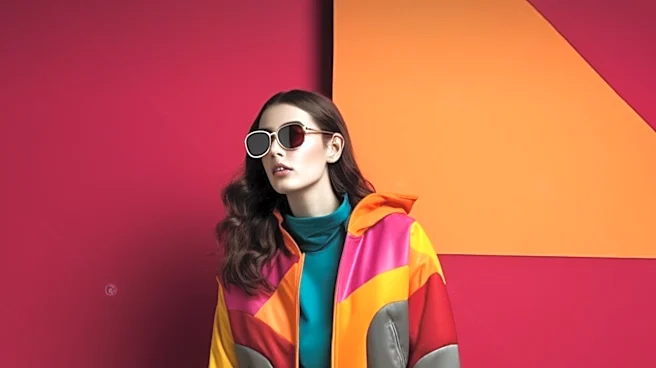
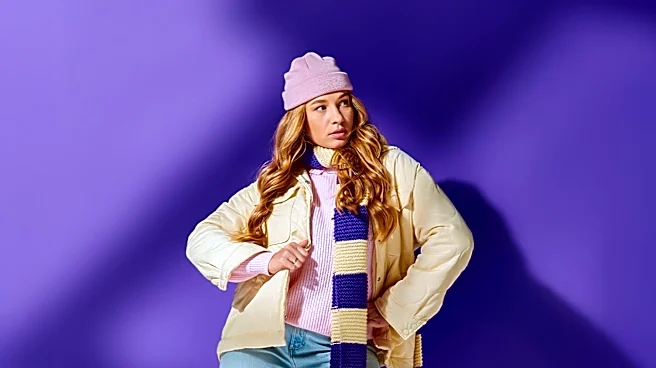
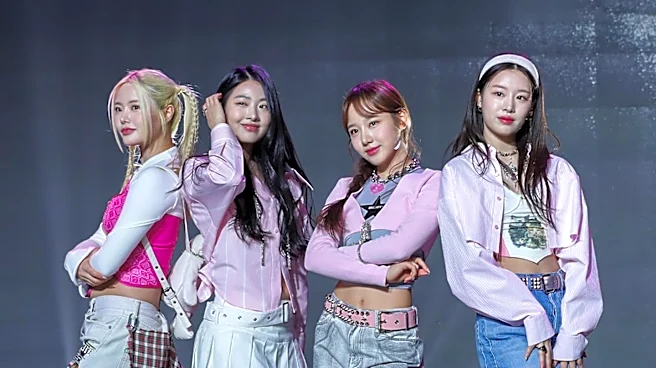
Gen Z is actively bringing back Y2K fashion, characterized by styles from the late 1990s and early 2000s. This revival emphasizes bold graphics, unusual proportions, and layered accessories, serving as a form
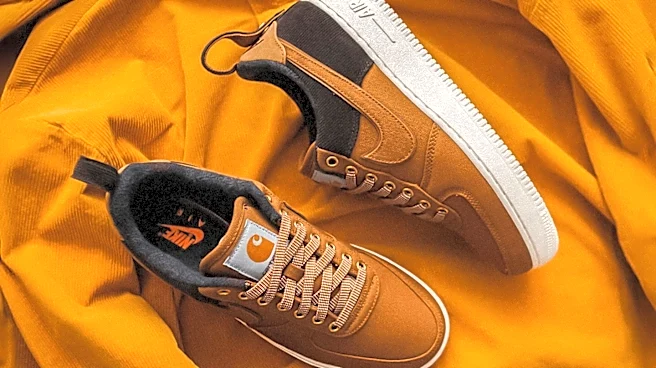
of self-expression. Key pieces of this aesthetic include low-rise jeans, baby tees, cargo pants, velour tracksuits, butterfly clips, tinted sunglasses, chunky sneakers, and clothing with prominent logos. Unlike a direct replication, Gen Z's approach involves mixing these Y2K references with modern basics and influences from streetwear, alternative fashion, and gender-fluid styling. Social media platforms like TikTok, Instagram, and Pinterest have played a significant role in accelerating the discovery and reinterpretation of these early-2000s styles, making archived celebrity looks, music videos, and vintage finds easily accessible for new outfit ideas. The trend also offers an alternative to minimalist aesthetics, providing ample room for experimentation and personal identity building both online and offline.
Why It's Important?
The resurgence of Y2K fashion among Gen Z highlights a broader shift in consumer behavior and fashion trends, moving away from restrained minimalism towards more expressive and personalized styles. This trend is significant for the retail and fashion industries, as it dictates demand for specific clothing items and accessories, influencing design and marketing strategies. The emphasis on upcycled and multi-purpose clothing also reflects a growing consciousness among younger generations regarding sustainability and individuality, potentially driving innovation in eco-friendly fashion. Furthermore, the role of social media in popularizing and disseminating these trends underscores its continued influence on youth culture and consumer choices, making it a critical platform for brands to engage with this demographic. The blending of Y2K elements with contemporary styles also indicates a cyclical nature of fashion, where past trends are reinterpreted to fit current societal values and aesthetics.
What's Next?
The Y2K fashion trend is expected to continue evolving as Gen Z integrates it further with other emerging microtrends and personal styles. Fashion brands and retailers will likely continue to release collections inspired by the late 90s and early 2000s, focusing on the signature pieces and maximalist aesthetic that define the era. We may see an increased emphasis on customizable and upcycled clothing options to cater to Gen Z's desire for unique self-expression and sustainability. Social media will remain a primary driver for the trend, with influencers and content creators continuing to showcase new ways to style Y2K elements. The trend's flexibility, allowing for a mix of vintage and modern pieces, suggests it will adapt rather than fade quickly, potentially influencing broader fashion directions and encouraging a more experimental approach to dressing across different age groups.
Beyond the Headlines
The embrace of Y2K fashion by Gen Z extends beyond mere aesthetics, reflecting deeper cultural and psychological undercurrents. This trend can be seen as a form of nostalgic escapism, allowing a generation that largely didn't experience the original Y2K era to engage with a perceived simpler or more playful past. It also signifies a rejection of traditional fashion norms, with a strong emphasis on individuality and self-expression over conformity. The preference for 'loud graphics, unusual proportions, and layered accessories' suggests a desire to stand out and communicate identity in an increasingly digital and visually-driven world. Moreover, the integration of upcycling and multi-purpose clothing within this trend points to a growing ethical consciousness, where fashion choices are intertwined with values of sustainability and responsible consumption, challenging the fast-fashion model and promoting a more thoughtful approach to personal style.