




What's Happening?
Cold plunges and cold exposure therapies are gaining popularity, with coaches facing pressure to incorporate them into client protocols. While often trendy, the effectiveness of cold exposure is best realized when applied with clear goals and specific
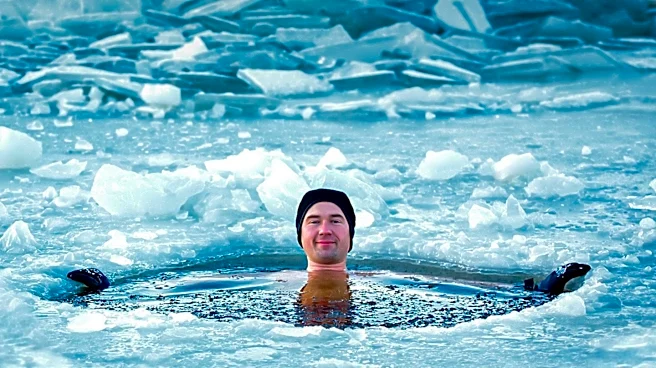
dosing. Its most reliable applications include post-training recovery, where it can reduce soreness and enhance readiness for subsequent activities. Mild, repeated cool exposure also serves as a gentle metabolic input, aiding in steady adaptation and supporting brown fat activity for energy use. Furthermore, brief cold exposure combined with breathwork and attention can be a practical tool for stress regulation training, helping individuals practice steadiness under challenging conditions. However, it's crucial to note that immediate post-lift cold plunges can be counterproductive during muscle-building phases, as they may hinder long-term training adaptation. Ethical protocols emphasize specificity, measurement, and the ability to easily stop the practice, ensuring it aligns with the client's primary goals.
Why It's Important?
The growing interest in cold plunges reflects a broader societal trend towards optimizing health and performance, impacting the wellness and fitness industries. For U.S. consumers, understanding the nuanced benefits and risks is crucial to making informed decisions about incorporating such practices into their routines. The distinction between immediate recovery and long-term adaptation, particularly concerning muscle growth, highlights the need for evidence-based approaches in fitness coaching. This information is vital for personal trainers, athletes, and individuals seeking to improve their physical and mental well-being, preventing the misuse of a potentially beneficial tool. The emphasis on ethical protocols also underscores the importance of client safety and individualized care in the burgeoning wellness market, influencing how services are offered and perceived.
What's Next?
As cold exposure continues to be a topic of interest, further research is expected to refine understanding of its physiological impacts and optimal application. Coaches and wellness practitioners will likely develop more sophisticated and individualized protocols, moving beyond generic recommendations. The industry may see an increase in specialized cold therapy products and services, catering to specific goals such as metabolic health or stress management. Educational initiatives will be crucial to inform the public about the appropriate use of cold plunges, distinguishing between anecdotal claims and scientifically supported benefits. This will help consumers navigate the market more effectively and ensure that cold exposure is utilized safely and strategically to achieve desired health and performance outcomes.
Beyond the Headlines
Beyond the immediate physical benefits, the practice of cold exposure, particularly when combined with breathwork, taps into deeper psychological and neurological dimensions. The ability to consciously regulate one's response to an intense physiological stressor, such as cold water, can build resilience and improve stress-coping mechanisms in daily life. This extends beyond physical training, potentially influencing how individuals manage professional pressures, personal challenges, and emotional responses. The ethical considerations in coaching, emphasizing consent and the ability to stop, reflect a broader shift towards client-centered care in wellness, moving away from a 'no pain, no gain' mentality. This approach fosters a more sustainable and psychologically healthy engagement with demanding practices, promoting long-term well-being over short-term, potentially harmful, intensity.