




What's Happening?
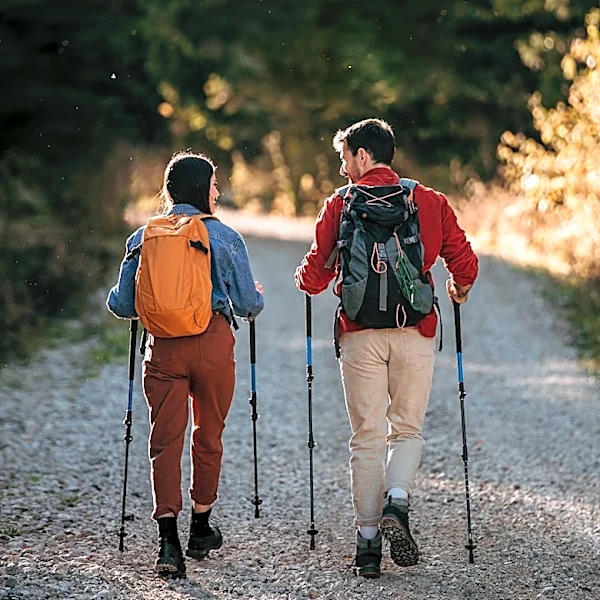
Slow travel is gaining traction as a travel philosophy that prioritizes quality experiences, deeper exploration, and meaningful engagement with destinations over rapid, checklist-style tourism. This approach encourages travelers to linger in locations,
interact with local communities, and utilize slower modes of transportation such as walking or cycling. Antoine Guntalilib, Kensington Tours’ Europe Destination Lead, highlights that slow travel is about what one needs, focusing on reset and disconnection from daily routines, rather than a long list of places to see. This mindset shifts the focus from quantity to quality, promoting rest, relaxation, and appreciating moments of stillness. The concept is seen as luxurious due to its emphasis on intention, access, and ease, allowing for richer and more exclusive experiences like private access or conversations with locals. Despite challenges in some regions, such as reduced tourism in Jerusalem due to security concerns and flight shortages, the appeal of slow travel continues to grow as a sustainable and enriching alternative.
Why It's Important?
The rise of slow travel signifies a notable shift in consumer preferences within the U.S. tourism industry, moving away from conventional, fast-paced itineraries towards more immersive and sustainable experiences. This trend impacts various sectors, including hospitality, transportation, and local economies. For U.S. travelers, embracing slow travel can lead to more budget-friendly trips by reducing frequent transportation costs and fostering deeper cultural understanding. It also encourages support for local businesses and communities, as travelers spend more time and resources within a single destination. This approach can mitigate the negative environmental and social impacts often associated with mass tourism, aligning with growing demands for responsible travel. Businesses that adapt to this trend by offering extended stays, authentic local experiences, and eco-friendly options stand to gain, while those focused solely on high-volume, rapid tours may face declining interest from a segment of the market seeking more profound engagements.
What's Next?
As the slow travel movement gains momentum, U.S. travel providers and destinations are likely to increasingly tailor their offerings to meet this demand. This could involve developing more immersive tour packages that focus on single regions, promoting longer stays, and highlighting opportunities for cultural exchange and local engagement. Expect to see a greater emphasis on sustainable tourism practices, including eco-friendly accommodations and transportation options. Destinations may also invest in promoting off-the-beaten-path attractions and community-based tourism initiatives to attract travelers seeking authentic experiences. Furthermore, the integration of technology could facilitate slow travel planning, with apps and platforms designed to help travelers discover local gems and connect with communities. The industry will likely continue to explore how to balance the desire for deeper experiences with practical considerations like accessibility and cost, especially in light of ongoing global travel challenges.
Beyond the Headlines
The growing popularity of slow travel reflects a broader societal shift towards mindfulness, sustainability, and a desire for authentic connection in an increasingly fast-paced world. Beyond its economic implications for the tourism industry, this trend has significant cultural and psychological dimensions. It challenges the consumerist notion of 'collecting' destinations and instead promotes a more contemplative approach to travel, encouraging personal growth and a deeper appreciation for diverse cultures and environments. Ethically, slow travel can foster more equitable relationships between tourists and host communities, reducing the potential for exploitation and promoting mutual respect. It also highlights the importance of environmental stewardship, as travelers become more conscious of their ecological footprint. This movement could lead to a re-evaluation of what constitutes a 'successful' vacation, shifting the focus from quantity of sights seen to the quality of experiences gained and the lasting impact on both the traveler and the visited destination.