



What's Happening?
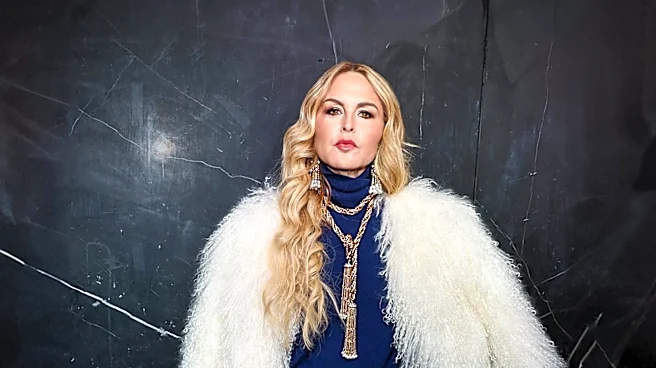
U.S. pre-owned luxury retailer What Goes Around Comes Around (WGACA) has appointed Rachel Zoe, a renowned stylist, as its new style director. In this role, Zoe will contribute her expertise in vintage fashion to WGACA's seasonal collections, styling,
special projects, and events throughout the year. Her first project, 'The Rachel Zoe Edit,' a curated selection from WGACA's archive, debuted during New York Fashion Week at the brand's Wooster Street store and is also available online. WGACA co-founders Seth Weisser and Gerard Maione emphasized Zoe's deep understanding of vintage fashion and her ability to make it feel relevant and on-trend.
Why It's Important?
This appointment is significant for the U.S. luxury resale market, as it brings a high-profile fashion authority to a sector that has gained considerable traction. Rachel Zoe's involvement is expected to elevate WGACA's brand image and attract a wider audience, further legitimizing vintage fashion within the mainstream luxury conversation. Her influence can help shape consumer perceptions, encouraging more individuals to embrace pre-owned luxury items as timeless and stylish investments. This move also highlights the growing importance of curation and expert guidance in the resale market, where authenticity and quality are paramount to consumer trust.
What's Next?
With Rachel Zoe at the helm of its style direction, WGACA is likely to see increased visibility and potentially higher sales, especially for its curated collections. Consumers can anticipate more expertly styled vintage offerings and unique collaborations throughout the year. This partnership could also inspire other pre-owned luxury retailers to invest in similar high-profile creative roles, intensifying competition and innovation in the resale market. The continued integration of vintage fashion into major events like New York Fashion Week suggests a sustained trend towards sustainable and unique style choices.
Beyond the Headlines
Beyond the immediate business implications, Zoe's appointment underscores a broader cultural shift towards valuing sustainability and individuality in fashion. Vintage clothing, by its nature, promotes circularity and reduces the environmental impact associated with new production. Her role in making vintage fashion 'on-trend' and 'translatable' helps bridge the gap between historical pieces and contemporary style, appealing to a generation increasingly conscious of both their environmental footprint and their desire for unique self-expression. This collaboration also reflects the evolving career paths within the fashion industry, where stylists and curators are becoming influential figures in retail strategy and brand development.