





What's Happening?
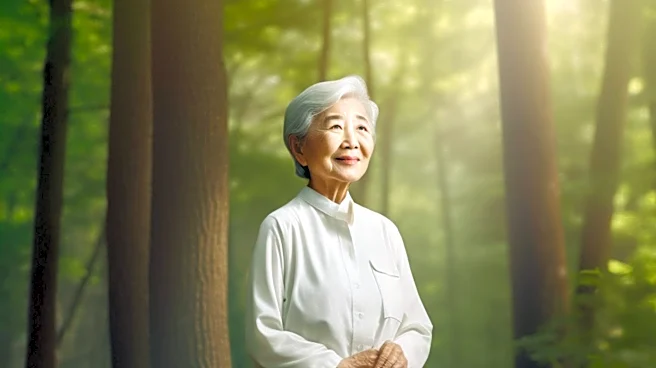
Eunice Anício da Silveira, who recently celebrated her 111th birthday, attributes her remarkable longevity to four simple, consistent habits: going to bed early and waking up early, drinking plenty of milk, engaging in hard physical work, and consuming
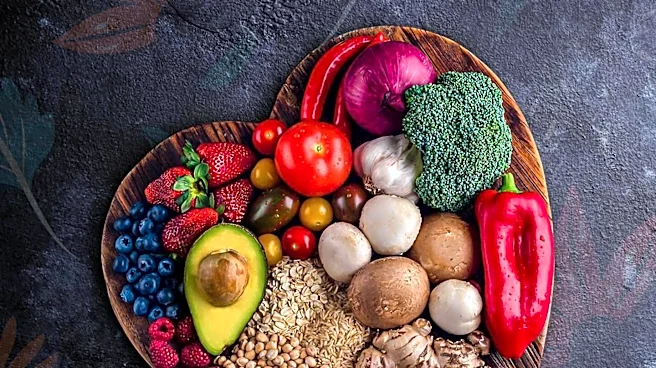
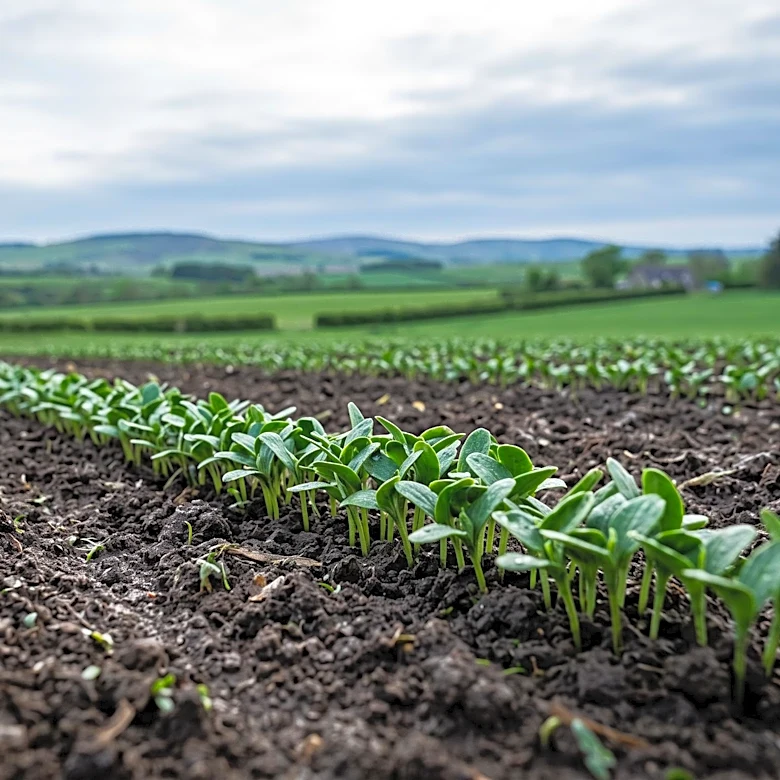
only food produced on her own land. Born in 1915 in Joanésia, Brazil, she has lived a life deeply connected to the countryside, marrying at 16 and raising 15 children. At 100, she reported never having been sick or taken medication. While genes and luck play a significant role in extreme longevity, scientific research supports aspects of her routine. Studies indicate that regular sleep patterns are linked to a lower risk of mortality, and 30 to 40 minutes of moderate-to-vigorous daily activity can mitigate the risks associated with prolonged sitting. Her diet, characterized by simple, fresh, homegrown food, aligns with general healthy eating principles, though no specific study links milk consumption directly to her age.
Why It's Important?
Eunice da Silveira's story offers a compelling counterpoint to the modern longevity industry's focus on complex supplements, wearables, and specialized diets. Her simple, accessible habits underscore that fundamental lifestyle choices, deeply integrated into daily life, can be powerful contributors to health and longevity. This narrative is particularly relevant in the U.S., where there's a growing interest in wellness but also a tendency towards expensive, quick-fix solutions. Her experience highlights the value of consistent routines, physical activity embedded in daily chores, and a diet of unprocessed, locally sourced food. It suggests that a life lived in rhythm with natural cycles and sustained by practical, everyday efforts may be more impactful than intermittent, high-tech interventions. This perspective could encourage individuals to re-evaluate their own routines and prioritize simplicity and consistency in their pursuit of a longer, healthier life.
What's Next?
The enduring appeal of stories like Eunice da Silveira's may inspire a broader cultural shift towards appreciating the value of simple, consistent habits over complex, costly longevity trends. This could lead to increased interest in traditional lifestyles, home gardening, and community-based activities that promote physical activity and fresh food consumption. Public health campaigns might draw inspiration from such examples, emphasizing the foundational importance of regular sleep, daily movement, and whole foods. While her specific habits may not be universally replicable, the underlying principles of routine, physical engagement, and mindful eating are widely applicable. This narrative could also encourage further scientific investigation into the long-term health benefits of consistent, low-tech lifestyle practices, potentially validating traditional wisdom with modern research.
Beyond the Headlines
Eunice da Silveira's life story implicitly critiques the detachment from nature and physical labor that characterizes much of modern life. Her reliance on homegrown food and hard work speaks to a self-sufficiency and connection to the land that is increasingly rare. This raises deeper questions about the environmental and societal costs of highly processed food systems and sedentary lifestyles. Her longevity, achieved without modern medical interventions for much of her life, also prompts reflection on the role of resilience, community, and a sense of purpose in aging well. Ethically, her story suggests that true well-being might be found not in the endless pursuit of external solutions, but in cultivating a harmonious relationship with one's environment and daily existence. Culturally, it reinforces the timeless wisdom that a balanced, active, and grounded life can be a powerful recipe for longevity.