







What's Happening?
Gritt, a startup founded by Carnegie Mellon University experts, has raised $34 million to develop AI systems for solar panel installation. The company, which emerged from stealth mode, secured $26 million in a Series A funding round led by Obvious Ventures.
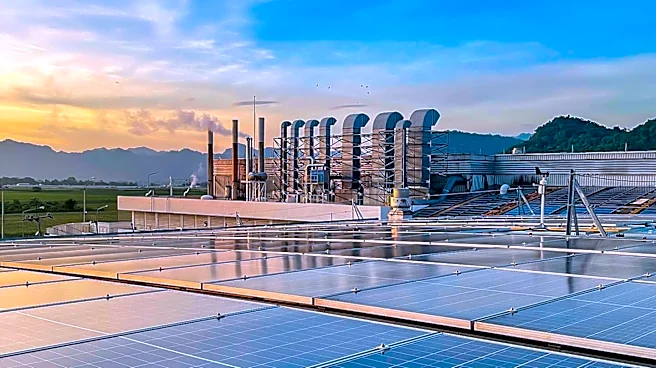
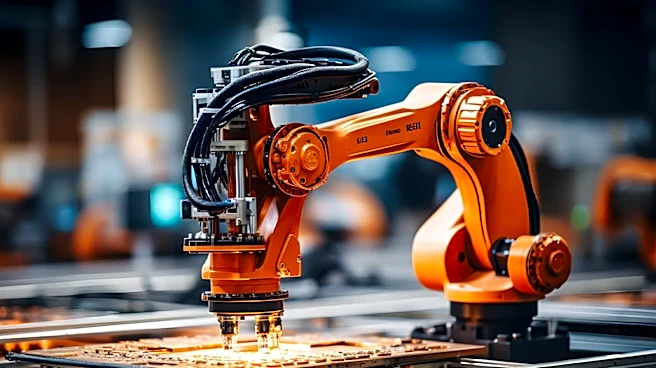
Gritt's technology utilizes off-the-shelf robotic arms and AI models to perform tasks with high precision, such as unloading and placing solar panels. This innovation aims to address labor shortages in solar power plant construction by increasing efficiency and reducing the risk of workplace injuries. Gritt's system can install up to 4,000 panels per day, significantly more than a typical crew. The company has contracts with major U.S. energy construction firms and plans to expand its fleet and solar capacity installations.
Why It's Important?
The development of AI-driven robotic systems by Gritt is significant for the renewable energy sector, particularly in addressing labor shortages and enhancing efficiency in solar power plant construction. By automating the installation process, Gritt's technology reduces the physical demands on human workers and increases the speed of construction, which is crucial as the demand for renewable energy sources grows. This advancement not only supports the transition to sustainable energy but also positions Gritt as a key player in the AI revolution within the construction industry. The company's approach of using existing hardware allows for rapid scaling and cost-effectiveness, providing a competitive edge in the market.
What's Next?
Gritt plans to expand its operations by increasing its fleet of robotic units and installing 2.8 GW of solar capacity over the next 18 months. The company aims to apply its technology to other infrastructure projects beyond solar energy, potentially transforming the construction industry. As Gritt continues to grow, it may face competition from other robotics companies, but its strategy of leveraging off-the-shelf hardware could facilitate faster and more affordable scaling. The success of Gritt's technology could lead to broader adoption of AI-driven solutions in construction, influencing industry standards and practices.