
What's Happening?
Wimbledon's All England Club has announced it will not be credentialing content creators or influencers for its upcoming tournaments. This decision comes in response to recent disruptions observed at the US Open, where nearly 100 content creators were
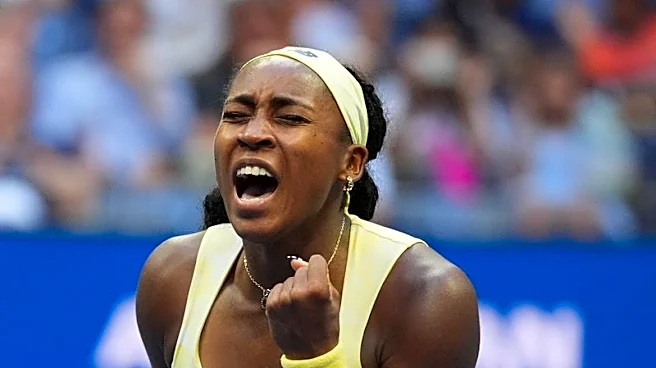
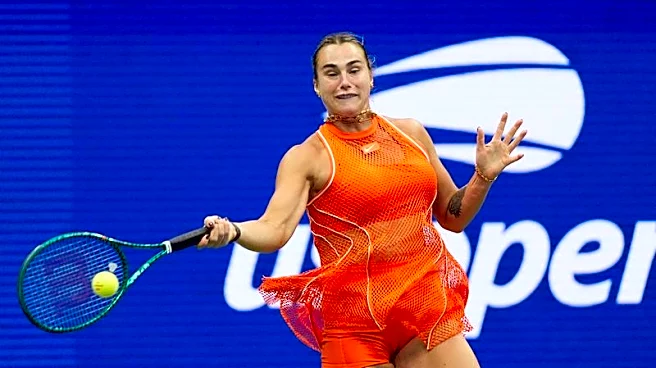
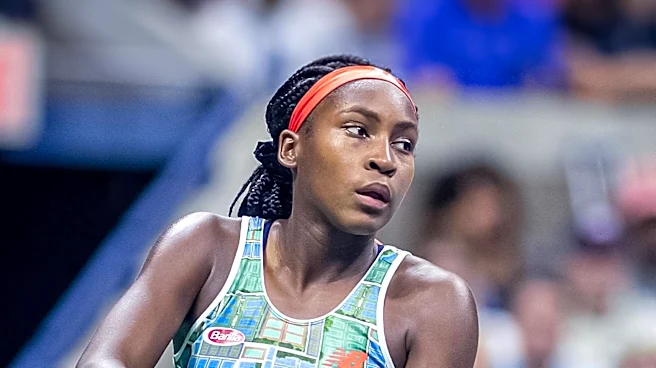
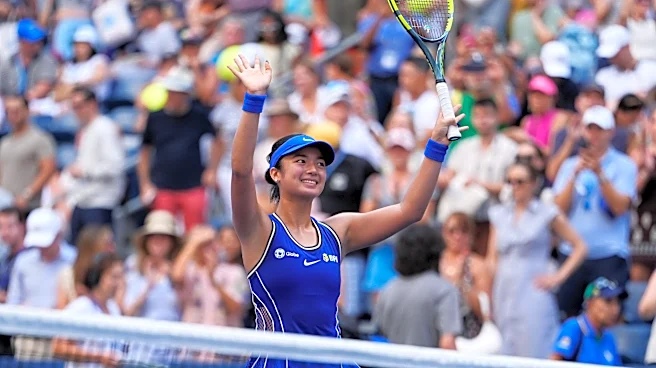
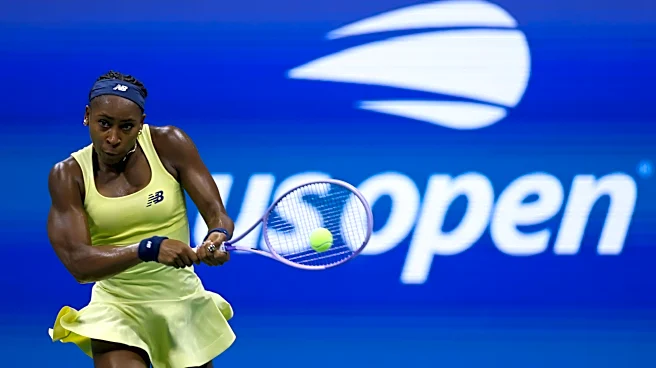
credentialed under a new program. Incidents at the US Open included influencers being admonished by a chair umpire during Naomi Osaka's match and a viral video showing an influencer using a ring light during active play. Wimbledon plans to confiscate any items, such as ring lights, that could disrupt matches, reinforcing its existing conditions of entry that prohibit such disturbances. Tennis players, including Naomi Osaka and Coco Gauff, have commented on the importance of adhering to the sport's etiquette, suggesting that while content creation can popularize tennis, it must be managed appropriately to avoid interference with the game.
Why It's Important?
This move by Wimbledon highlights a growing tension between traditional sports etiquette and the evolving landscape of digital content creation. The US Open's attempt to integrate influencers led to unforeseen challenges, impacting the spectator experience and potentially the integrity of the game. Wimbledon's firm stance reflects a prioritization of the live sporting event's atmosphere and the comfort of its attendees and players over the potential marketing reach offered by influencers. This decision could influence other major sporting events and venues to re-evaluate their policies regarding content creators, potentially leading to stricter guidelines or outright bans on influencer accreditation. It underscores a broader debate within the entertainment and sports industries about how to balance modern promotional strategies with established traditions and audience expectations, affecting how major events are covered and consumed in the digital age.
What's Next?
Following Wimbledon's announcement, other major sports organizations and venues may review their own policies regarding content creators and influencers. There could be a broader discussion within the sports industry about establishing clear guidelines for digital media presence at live events to prevent disruptions while still leveraging the promotional benefits of social media. Influencers and content creators might need to adapt their strategies for covering major sporting events, potentially focusing more on pre-recorded content or post-event analysis rather than live, on-site creation that could interfere with play. This situation could also lead to a re-evaluation of what constitutes 'disruptive behavior' at sporting events and how technology, such as ring lights, fits into those definitions. The debate over balancing traditional sports etiquette with modern digital engagement is likely to continue, shaping future accreditation and access policies.
Beyond the Headlines
The conflict between content creators and traditional sporting events like the US Open and Wimbledon touches upon deeper cultural shifts regarding public spaces and digital performance. The expectation of 'creating content' in every setting, often with elaborate setups like ring lights, challenges established norms of decorum and respect for shared experiences. This isn't just about tennis; it reflects a broader societal negotiation of how digital self-expression intersects with collective public engagement. The pushback from institutions like Wimbledon suggests a reassertion of the value of an unmediated, present-moment experience, free from the performative demands of social media. It raises questions about the commodification of attention and whether every moment, even a live sporting event, must be transformed into digital content. This could lead to a re-evaluation of 'influencer culture' and its appropriate boundaries in various public and private spheres.