





What's Happening?
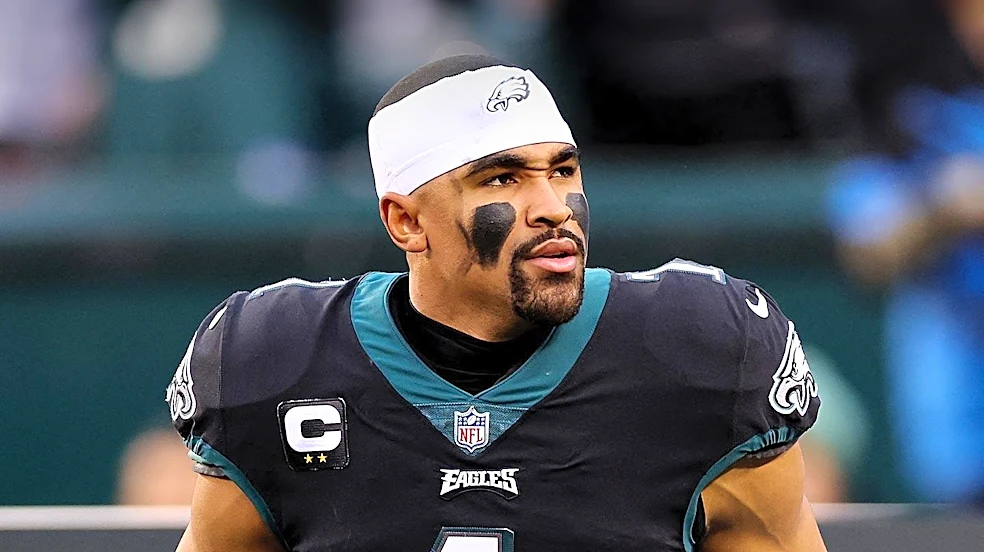
Philadelphia Eagles quarterback Jalen Hurts has been diagnosed with deep vein thrombosis (DVT) and bilateral pulmonary emboli, leading to his indefinite absence from the team. Initially, specialists in London diagnosed him with a left calf superficial
vein thrombosis. Further testing revealed the more serious conditions. According to a statement from the Eagles and Hurts' agent, Nicole Lynn, Hurts is clinically stable with no significant functional limitations, and his treatment will involve anticoagulation, or blood thinners. During this treatment period, he will not be allowed to participate in any contact activities, including football. The initial injury occurred when Hurts was cleated during a game against the Los Angeles Rams on October 4. After experiencing calf issues, he underwent an ultrasound in London, which detected the superficial clot. Subsequent follow-up revealed the progression to DVT and pulmonary emboli.
Why It's Important?
This diagnosis has significant implications for the Philadelphia Eagles and the broader NFL. Hurts is a key player for the team, and his absence will undoubtedly impact their performance and playoff aspirations. For Hurts personally, while his prognosis is good for a full recovery, the treatment period for DVT and pulmonary emboli typically lasts a minimum of three to six months, and potentially indefinitely, depending on the cause. This condition carries risks, including the potential for respiratory failure and cardiopulmonary collapse if not managed properly. The need for blood thinners also increases bleeding risk, making contact sports highly dangerous during treatment. This situation highlights the serious health risks athletes can face, even from seemingly minor injuries, and the importance of thorough medical evaluation and management in professional sports.
What's Next?
Jalen Hurts will undergo treatment with blood thinners, which will prevent him from participating in contact football activities for the foreseeable future. The team anticipates a full recovery and expects him to resume contact activities once he is off the blood thinners. The duration of anticoagulation treatment will be a critical factor in his return, potentially lasting six months or longer, especially if the cause of the clots is deemed unprovoked. In the interim, Hurts will remain active around the team and continue conditioning. The Eagles will need to adjust their game strategy and rely on other quarterbacks, such as Tanner McKee, who played in the recent game against the Carolina Panthers. The medical team will closely monitor Hurts' condition to ensure the clots dissolve and to assess his readiness for a safe return to play.
Beyond the Headlines
Beyond the immediate impact on the Eagles' season, Hurts' diagnosis brings attention to the prevalence and seriousness of blood clots, even in young, healthy athletes. This incident could prompt increased awareness and screening protocols for athletes, particularly after injuries or long periods of inactivity, such as long flights. The discussion around whether an athlete can safely return to a high-contact sport while on blood thinners is complex and will involve careful consideration between Hurts and his medical team. This case also underscores the delicate balance between an athlete's desire to compete and the paramount importance of their long-term health. It serves as a reminder that even elite athletes are susceptible to serious medical conditions that can arise unexpectedly, emphasizing the need for comprehensive medical care and cautious return-to-play decisions.