







What's Happening?
Mila Marie Scents has provided recommendations for effectively scenting guest rooms, emphasizing the strategic use of diffusers and appropriate scent choices. The guidance addresses the unique challenges of guest rooms, which are often unoccupied for extended
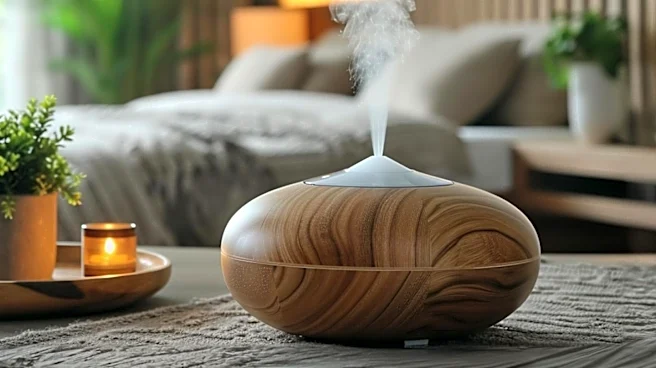
periods and have closed doors. It suggests placing a cordless diffuser, such as the Elite Mini Pro, directly within the room for optimal scent distribution, as cold-air mist does not effectively penetrate closed doors from outside. For whole-home solutions, HVAC-installed diffusers like the PULSE are mentioned as an alternative that can reach closed rooms via vents. The company also advises running diffusers on a schedule, ideally starting the day before a guest's arrival, rather than continuously, to avoid oversaturation. Regarding scent selection, Mila Marie Scents recommends less personal, broadly likable fragrances such as soft linen, white tea, or light citrus, akin to hotel logic, to cater to unknown preferences and sensitivities.
Why It's Important?
This advice is significant for U.S. homeowners and hospitality businesses aiming to enhance guest experiences. Proper scenting can create a welcoming and comfortable environment, contributing to guest satisfaction and potentially positive reviews. The emphasis on scheduled scenting and appropriate scent profiles helps prevent common issues like overpowering fragrances or wasted product, leading to more efficient and cost-effective use of diffusers. For businesses, understanding these nuances can improve brand perception and guest comfort, which are critical in the competitive hospitality industry. The recommendations also highlight the importance of considering individual sensitivities to fragrances, promoting a more thoughtful and inclusive approach to creating pleasant indoor environments.
What's Next?
Consumers and businesses are likely to implement these recommendations by investing in suitable diffusers for guest rooms and adopting scheduled scenting practices. There may be an increased demand for cordless, quiet diffusers and a shift towards more universally appealing, subtle fragrances for guest accommodations. Manufacturers of diffusers and fragrance oils might respond by developing more products tailored to these specific needs, such as smaller, quieter units or curated 'guest room' scent collections. The focus on guest comfort and sensitivity could also lead to more transparent labeling of fragrance ingredients and clearer guidelines for usage in shared spaces, further enhancing consumer confidence and safety.
Beyond the Headlines
The practice of scenting guest rooms delves into the psychology of hospitality and the subtle art of creating a perceived sense of care and luxury. A well-chosen and appropriately diffused scent can evoke feelings of cleanliness, relaxation, and thoughtfulness, significantly impacting a guest's overall impression. This goes beyond mere aesthetics, tapping into the emotional connection guests form with their temporary environment. The discussion also implicitly touches on the growing awareness of indoor air quality and the desire for controlled, pleasant atmospheric conditions. As consumers become more discerning about their sensory experiences, the strategic use of scent in private and commercial spaces will likely evolve, becoming an even more sophisticated tool for enhancing comfort and brand identity.