



What's Happening?
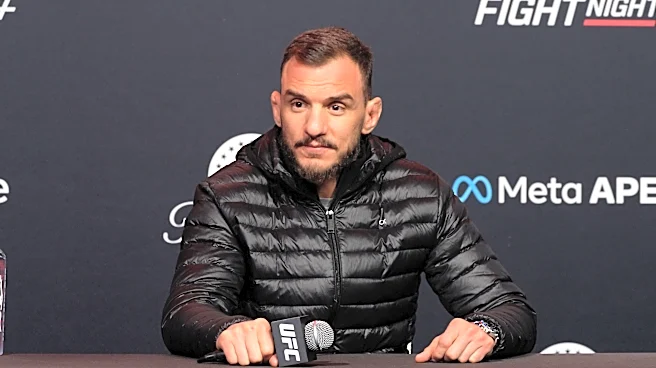
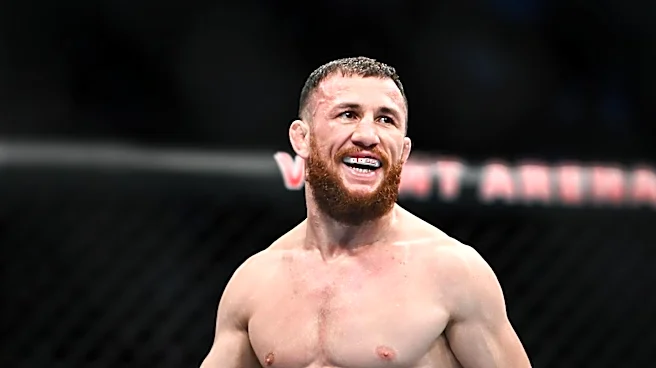
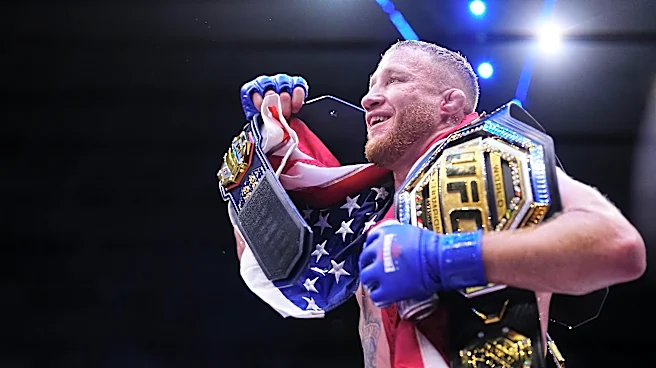
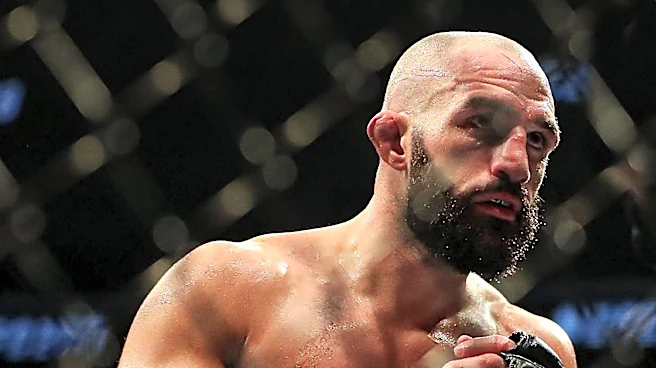
UFC Lightweight Dustin Poirier has publicly backed featherweight Aaron Pico to become a UFC champion, following Pico's impressive knockout victory over Losene Keita at UFC 333. Poirier, speaking on the 'Deep Waters' show, praised Pico's physical attributes
and overall potential, stating that Pico possesses all the necessary qualities to be a world champion if he can maintain smart decision-making under pressure. This endorsement comes after Pico's recent performance, which marked his second win in the UFC, bringing his record to 2-1 within the promotion. However, former UFC Middleweight Champion Chris Weidman, also on the 'Deep Waters' show, expressed concerns regarding Pico's ability to absorb strikes, specifically referencing his knockout loss to Lerone Murphy in his UFC debut at UFC 319. Weidman acknowledged Pico's exceptional background in boxing and wrestling but highlighted the damage Pico has sustained in his career, hoping his 'chin holds up' given his talent.
Why It's Important?
This discussion among prominent UFC figures highlights the high stakes and intense scrutiny surrounding rising talents like Aaron Pico in the competitive featherweight division. Poirier's endorsement can significantly boost Pico's profile and potentially influence matchmaking decisions, positioning him for more high-profile fights that could accelerate his path to a title shot. Conversely, Weidman's concerns about Pico's durability could create a narrative that opponents might exploit, focusing on his perceived weakness. For the UFC, a compelling narrative around a fighter like Pico, with both high praise and critical concerns, generates significant fan interest and potential pay-per-view draw. This dynamic also reflects the broader challenge for fighters balancing aggressive fighting styles with long-term career sustainability, especially in divisions known for powerful strikers. The debate over Pico's potential underscores the subjective nature of fighter evaluation and the multifaceted criteria for championship success in mixed martial arts.
What's Next?
Aaron Pico, now holding a 2-1 UFC record, has expressed a desire for a rematch against Lerone Murphy, the fighter who handed him his debut knockout loss. As of now, neither Pico's nor Murphy's next bouts have been scheduled, leaving the possibility of a rematch open for the UFC to consider. The promotion's decision on whether to book this rematch will be crucial for Pico's career trajectory; a victory could erase doubts about his chin and validate Poirier's championship prediction, while another loss could severely set back his progress. Beyond the immediate fight, Pico will need to consistently demonstrate improved defensive capabilities and strategic fight management to address the concerns raised by Weidman. The UFC matchmakers will likely weigh the fan interest generated by Poirier's endorsement against the perceived risks highlighted by Weidman when planning Pico's future opponents, aiming to build his career strategically towards potential title contention.
Beyond the Headlines
The contrasting opinions from Dustin Poirier and Chris Weidman on Aaron Pico's championship potential delve into the complex psychology and physical demands of elite-level MMA. Beyond mere fight outcomes, the discussion touches upon the long-term impact of concussive blows on a fighter's career and health, a growing concern within combat sports. Weidman's emphasis on Pico's 'chin' points to the inherent vulnerability in a sport where one strike can end a fight and potentially alter a career. This also highlights the pressure on young, highly touted prospects like Pico, who enter the UFC with immense expectations but must navigate the brutal reality of the sport. The narrative around Pico could become a case study in fighter development, illustrating whether raw talent and power, as praised by Poirier, can overcome perceived durability issues, or if those concerns, as voiced by Weidman, ultimately limit a fighter's ultimate ceiling. It also reflects the ongoing debate about fighter safety versus the entertainment value of aggressive fighting styles.