






What's Happening?
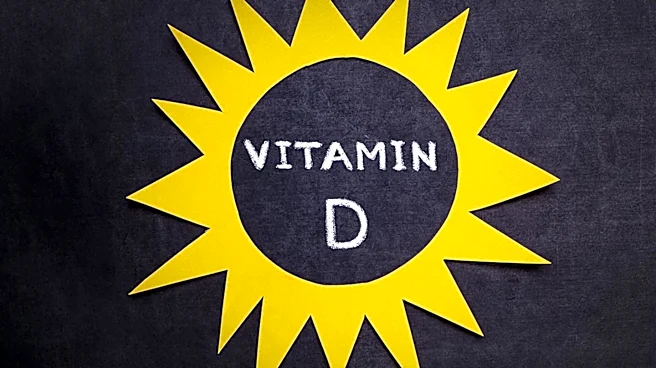
Virtua Health is emphasizing the critical role of Vitamin D, often called the 'sunshine vitamin,' in maintaining overall health, especially as colder months reduce sun exposure. Vitamin D is essential for calcium absorption, strong bones and teeth, and immune
system function. While the body produces Vitamin D when skin is exposed to sunlight, other sources are necessary, particularly when sun exposure is limited. Natural food sources include fatty fish (salmon, trout, mackerel), egg yolks, and beef liver. Many foods like milk, plant-based milks, breakfast cereals, and orange juice are also fortified with Vitamin D. The recommended daily intake for most adults is 600 International Units (IU), increasing to 800 IU for adults over 70. Virtua Health advises consulting a healthcare provider before taking Vitamin D supplements to determine individual needs.
Why It's Important?
The information provided by Virtua Health is important for public health in the U.S. because Vitamin D deficiency is common and can lead to various health issues, including weakened bones, muscle pain, fatigue, and mood changes. With many Americans spending more time indoors, especially during winter, understanding alternative sources of Vitamin D becomes crucial for maintaining health. Promoting awareness of dietary sources and fortified foods can help individuals proactively manage their Vitamin D intake. This guidance can contribute to better bone health, stronger immune systems, and potentially reduce the incidence of related health conditions, thereby impacting overall public well-being and potentially reducing healthcare burdens associated with deficiencies. The emphasis on professional consultation for supplementation also promotes safe and personalized health practices.
What's Next?
Virtua Health's continued efforts to educate the public on Vitamin D intake suggest an ongoing focus on preventive health and nutrition. This type of public health messaging will likely encourage individuals to assess their dietary habits and consider their sun exposure, potentially leading to increased consumption of Vitamin D-rich foods and fortified products. Healthcare providers may see an increase in patient inquiries regarding Vitamin D levels and supplementation, prompting more routine discussions about nutrition during check-ups. Educational campaigns from health organizations like Virtua Health could also influence food manufacturers to consider further fortification of products or to highlight Vitamin D content more prominently on packaging, making it easier for consumers to make informed choices.
Beyond the Headlines
Beyond the direct health benefits, the discussion around Vitamin D highlights broader aspects of modern lifestyle and nutrition. The reliance on 'sunshine vitamin' from sunlight exposure underscores the disconnect between contemporary indoor lifestyles and natural physiological needs. This also brings to light the role of food fortification in public health, a strategy that has significantly impacted nutrient deficiencies in the past. The need for supplementation for some individuals also points to the limitations of diet alone in meeting all nutritional requirements, especially in specific populations or geographical areas with limited sunlight. This conversation can also spark discussions about the environmental factors affecting health, such as urban planning that limits outdoor activity, and the importance of a holistic approach to wellness that integrates diet, lifestyle, and environmental considerations.