







What's Happening?
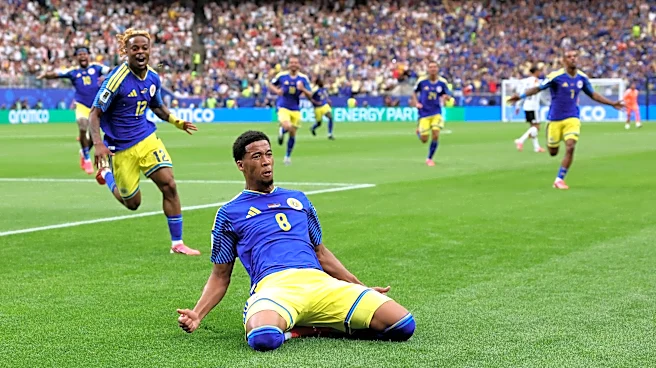
In the ongoing 2026 FIFA World Cup, Germany managed to secure a dramatic late victory against Ivory Coast in a match held in Toronto. The game saw Germany initially fall behind but they managed to clinch the win in the fourth minute of second-half stoppage
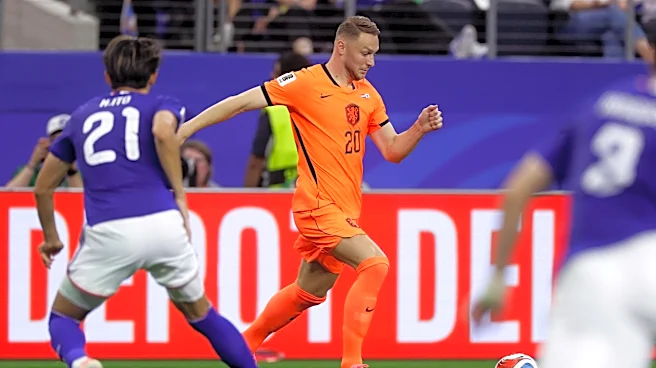
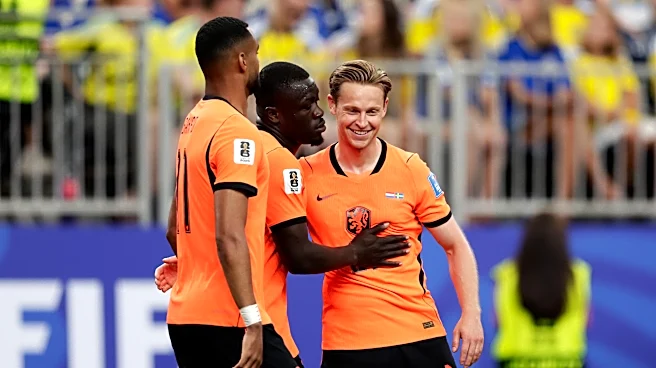
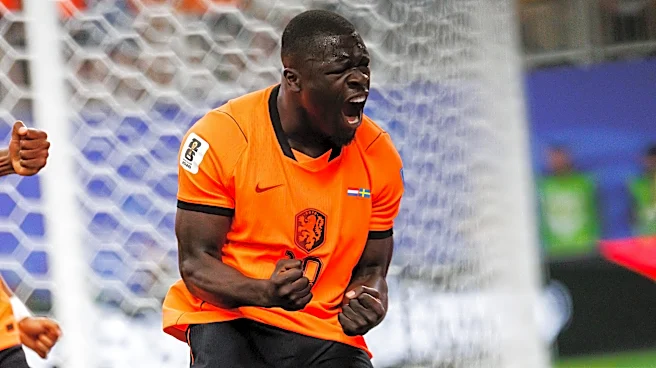
time. Meanwhile, the Netherlands delivered a commanding performance against Sweden, winning 5-1 in Houston. In other matches, Ecuador and Curaçao ended in a goalless draw in Kansas City, and Tunisia was set to face Japan in Monterrey, Mexico, later in the day. The tournament continues to provide thrilling moments and competitive matches as teams vie for the prestigious title.
Why It's Important?
The 2026 FIFA World Cup is a significant event in the sports calendar, drawing global attention and showcasing international talent. Germany's late win against Ivory Coast highlights the unpredictable and exciting nature of the tournament, which can have implications for team morale and standings. The Netherlands' decisive victory over Sweden demonstrates their strong form and potential as contenders. These matches not only affect the teams involved but also influence fan engagement and viewership, contributing to the cultural and economic impact of the World Cup. The outcomes of these games can shift the dynamics of the tournament, affecting future matchups and strategies.
What's Next?
As the World Cup progresses, teams will continue to compete in the group stages, with each match being crucial for advancing to the knockout rounds. Germany's victory positions them favorably, but they will need to maintain their performance in upcoming matches. The Netherlands will aim to build on their success and secure their place in the next stage. Fans and analysts will be closely watching the developments, as the tournament unfolds and teams strive to reach the finals. The results of these games will also influence the strategies and preparations of other teams as they adapt to the evolving competition landscape.