


What's Happening?
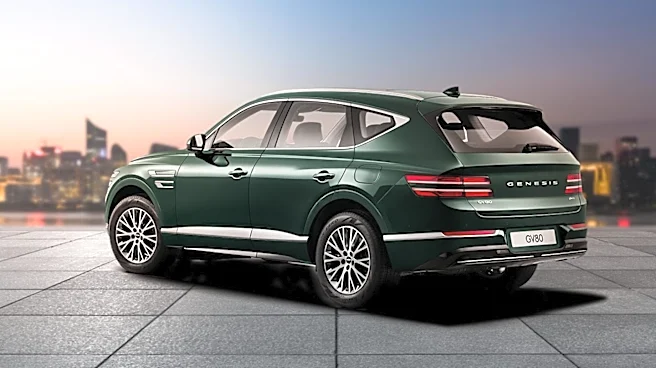
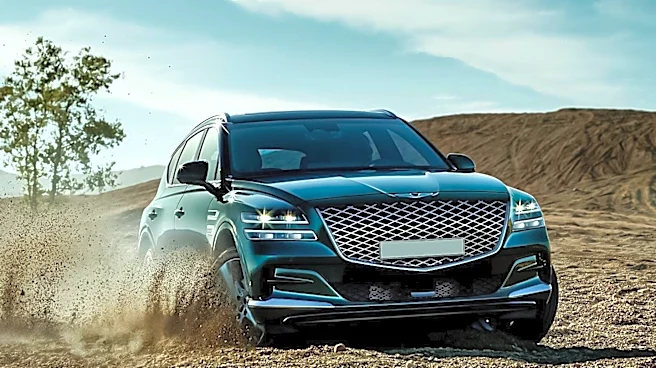
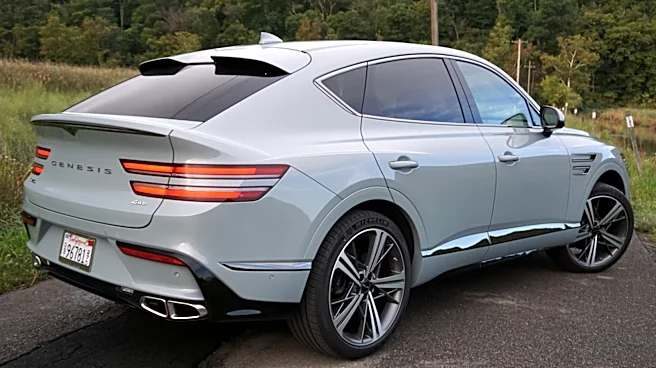
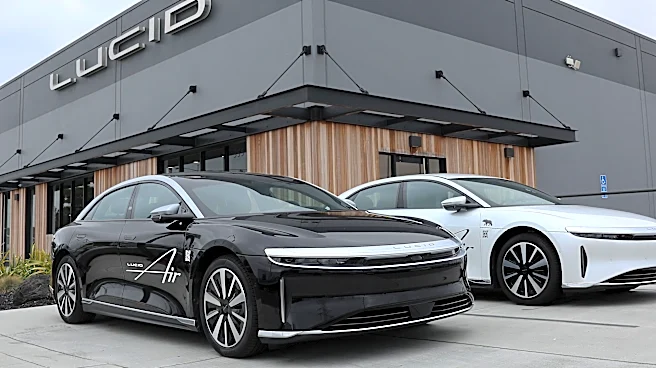
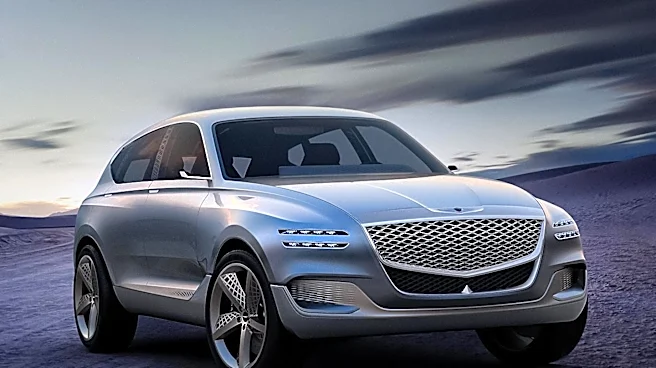
The Lucid Gravity, an upcoming SUV, is notably larger than the Genesis GV80 Coupe across several key dimensions. According to TrueCar, the Lucid Gravity measures 2.7 inches longer, 1.1 inches wider, and 2 inches lower than the Genesis GV80 Coupe. These
differences contribute to a more spacious interior, particularly for rear passengers. The Lucid Gravity boasts 3.9 inches more rear legroom, totaling 42.6 inches compared to the GV80 Coupe's 38.7 inches. While front legroom is slightly less in the Gravity (40.9 inches vs. 41.6 inches), it offers more front headroom (42 inches vs. 40.2 inches) and significantly more rear headroom (41 inches vs. 37.6 inches). Both vehicles are designed to fit standard 20-foot garage bays and clear typical 6'10" parking garage clearances. However, the Genesis GV80 Coupe offers more cargo space with all seats in place, providing 29.3 cubic feet compared to the Lucid Gravity's 21.3 cubic feet.
Why It's Important?
This comparison highlights Lucid's strategic positioning of the Gravity SUV in the competitive luxury electric vehicle market. By offering greater interior space, especially rear legroom, Lucid aims to appeal to consumers prioritizing passenger comfort and a more expansive cabin experience. This could be a significant differentiator for families or individuals who frequently transport multiple passengers. The larger dimensions, while providing comfort, also mean the Lucid Gravity might be perceived as a more substantial vehicle, potentially influencing its appeal to buyers looking for a commanding presence on the road. The trade-off in cargo space for the Gravity, however, could be a consideration for buyers who prioritize hauling capacity. This move by Lucid reflects a broader trend in the automotive industry where electric SUVs are increasingly designed to offer premium comfort and advanced features, challenging established luxury brands.
What's Next?
As the Lucid Gravity approaches its market release, its larger dimensions and enhanced rear legroom will likely be key selling points in its marketing campaigns. Potential buyers will be evaluating these spatial advantages against the Genesis GV80 Coupe and other luxury SUV competitors. The market's reception to the Gravity's interior spaciousness versus its slightly reduced cargo capacity will be crucial in determining its success. Automakers in the luxury SUV segment will continue to refine their designs, potentially leading to further innovations in interior packaging and space optimization to meet evolving consumer demands for comfort and utility in electric vehicles. The starting price difference, with the Lucid Gravity being slightly more expensive, will also play a role in consumer decision-making.
Beyond the Headlines
The emphasis on interior space, particularly rear legroom, in the Lucid Gravity reflects a deeper understanding of modern luxury vehicle consumer preferences. Beyond mere size, the ability to offer a more comfortable and less cramped experience for all occupants, especially on longer journeys, is becoming a hallmark of premium automotive design. This trend suggests a shift from purely driver-centric design to a more holistic passenger experience. Furthermore, the comparison underscores the ongoing evolution of electric vehicle architecture, which often allows for more flexible interior layouts due to the absence of traditional engine and transmission tunnels. This design freedom enables manufacturers like Lucid to prioritize cabin volume and passenger comfort in ways that might be more challenging for internal combustion engine vehicles.