




What's Happening?
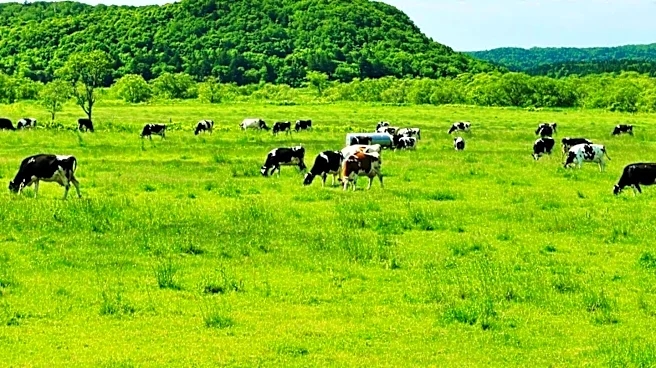
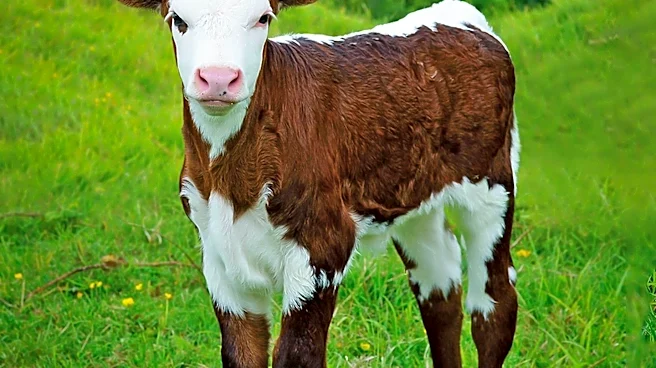
The latest USDA cattle inventory report suggests early signs of stabilization in the U.S. cattle herd, with a 200,000-head increase from July 2025. This marks the first rise in the July inventory report since 2018. However, the beef cow inventory remains
at a record low, and the 2026 calf crop is projected to be the smallest on record. Ranchers are beginning to retain more replacement heifers, indicating potential future herd expansion. Despite these positive signs, the tight calf supply is expected to continue, affecting feeder cattle availability in the coming years.
Why It's Important?
The stabilization of the cattle herd is a critical development for the U.S. beef industry, which has faced challenges due to declining herd sizes. The increase in replacement heifers suggests a potential for future expansion, which could help address supply constraints. However, the record-low calf crop highlights ongoing challenges in maintaining a stable beef supply. This situation could impact beef prices and availability, affecting consumers and the broader agricultural economy. The industry must navigate these challenges to ensure a sustainable beef supply chain.
What's Next?
The USDA will continue to monitor cattle inventories, with the next report scheduled for January. Stakeholders will watch for further signs of herd expansion, particularly in replacement heifer numbers. The industry may also explore strategies to support herd growth and address supply constraints. The gradual reopening of the U.S.-Mexico border for cattle imports could provide some relief, but the industry must balance supply needs with biosecurity risks. Ranchers and policymakers will need to adapt to these evolving conditions to ensure a stable and competitive beef market.