





What's Happening?
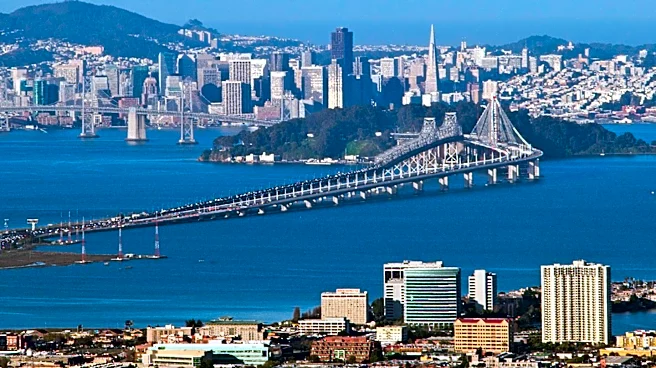
New York City has emerged as the leading metropolitan area for tech workers in the United States, surpassing the San Francisco Bay Area. According to an August report from CBRE, a real estate services and investment firm, the New York metro area now employs
394,300 tech workers, compared to San Francisco's 375,730. Between 2022 and 2025, New York's tech employee pool grew by over 30,000, while San Francisco's decreased by nearly 24,000. A significant portion of this growth in New York comes from outside the traditional tech sector; Tech:NYC data indicates that 64% of the city's tech employees work for non-tech companies, such as banks and media organizations, with only 35% employed by tech companies and startups. This trend is driven by traditional industries integrating technology, particularly artificial intelligence, into their operations.
Why It's Important?
This shift signifies a major realignment in the U.S. tech landscape, challenging the long-held dominance of Silicon Valley. New York City's rise as a tech hub indicates a broader integration of technology across diverse industries like finance and real estate, rather than solely within dedicated tech firms. This trend suggests that technology is becoming an indispensable component of all major sectors, driving demand for tech talent in traditionally non-tech companies. The influx of tech workers and the expansion of AI companies like OpenAI and Anthropic in New York could further solidify the city's position as a global innovation center. However, this growth also raises concerns about the city's high cost of living and its potential impact on affordability for other New Yorkers, highlighting a critical socio-economic challenge.
What's Next?
New York City is expected to continue attracting tech talent as traditional industries further integrate AI and other advanced technologies into their operations. The expansion of major AI companies within the city, such as Anthropic's plan to double its New York workforce, suggests sustained growth in the tech sector. This trend will likely lead to increased demand for office space and housing, potentially exacerbating affordability issues. City planners and policymakers may need to address the challenges posed by a growing population of high-earning tech workers to ensure equitable development. The ongoing competition between New York and other tech hubs will also drive innovation and talent acquisition strategies across the country, influencing where tech companies choose to establish or expand their operations.
Beyond the Headlines
The decentralization of tech talent from traditional hubs like Silicon Valley to more diverse economic centers like New York City reflects a maturing tech industry. This shift suggests that technological innovation is no longer confined to a specific geographic region but is becoming embedded across the entire economic fabric. The integration of tech roles into finance, media, and real estate sectors blurs the lines between 'tech' and 'non-tech' companies, indicating a future where every company is, to some extent, a technology company. This evolution also brings ethical considerations regarding urban development, gentrification, and the equitable distribution of economic benefits. The ability of cities to manage the social and economic impacts of rapid tech growth will be crucial for sustainable urban development and social cohesion.