







What's Happening?
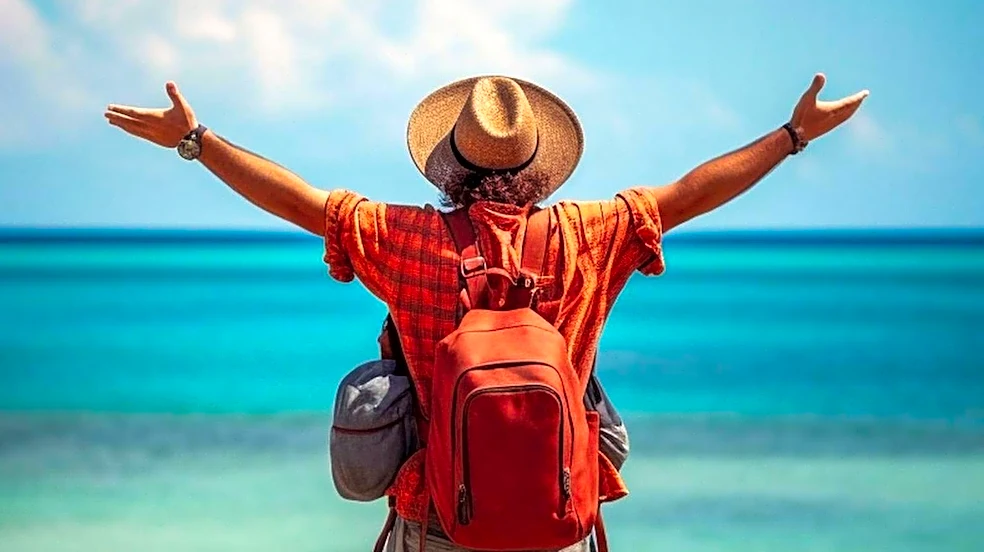
Solo travel is gaining recognition for its transformative potential, offering individuals the chance for personal growth, self-reliance, and authentic connections. Travelers can enjoy complete freedom and flexibility, setting their own schedules and adapting
plans without compromise. This independence fosters self-discovery, pushing individuals out of their comfort zones and enhancing problem-solving skills and self-confidence. Additionally, solo travelers often find it easier to engage with locals and fellow travelers, leading to new connections and friendships. However, this mode of travel also comes with significant drawbacks, including potential loneliness and isolation, as well as heightened safety concerns in unfamiliar locations. The financial aspect can also be a challenge, as costs for accommodation and transportation are not shared, potentially making solo trips more expensive. Deciding whether solo travel is suitable depends on an individual's personality, comfort with solitude, and the chosen destination's suitability for solo exploration.
Why It's Important?
The increasing interest in solo travel reflects a broader societal trend towards individualism and personal development. For many, it represents an opportunity to escape the demands of group dynamics and focus entirely on their own desires and needs, which can have profound psychological benefits, such as increased confidence and a deeper understanding of self. This trend impacts the travel industry by driving demand for solo-friendly accommodations, tours, and safety services. Businesses that cater to solo travelers, such as hostels with communal spaces or guided solo tours, stand to gain. Conversely, traditional travel packages designed for couples or families may need to adapt to this growing demographic. The emphasis on safety for solo travelers also highlights the need for robust travel insurance, emergency support services, and destination-specific safety information, influencing how travel agencies and governments advise their citizens. The mental health benefits, such as enhanced confidence and decision-making skills, underscore the value of such experiences in fostering resilient individuals.
What's Next?
As solo travel continues to grow in popularity, the travel industry is likely to further innovate to meet the specific needs of this demographic. This could include the development of more specialized solo travel packages, enhanced safety features in travel apps, and increased availability of single-occupancy accommodations without significant price penalties. Destinations may also begin to market themselves more explicitly as solo-travel-friendly, highlighting their safety, ease of navigation, and opportunities for independent exploration. Travelers considering solo trips will need to prioritize thorough research into destinations, safety precautions, and budgeting to mitigate the inherent challenges. The ongoing discussion around the pros and cons of solo travel will likely lead to more resources and communities dedicated to supporting and informing solo adventurers, helping them navigate both the liberating aspects and the potential difficulties of traveling alone.
Beyond the Headlines
The rise of solo travel points to deeper cultural shifts, particularly in how individuals perceive independence and personal fulfillment. It challenges traditional notions of travel as a shared experience, emphasizing self-reliance and the pursuit of individual growth. This phenomenon can also be seen as a reflection of increased digital connectivity, where solo travelers can maintain contact with their support networks, mitigating some feelings of loneliness. However, it also raises questions about the balance between independence and social connection, and how individuals manage the psychological demands of prolonged solitude in unfamiliar environments. The ethical implications for the travel industry include ensuring equitable pricing for solo travelers and providing adequate support systems to address safety and well-being concerns. Ultimately, solo travel is not just a trend but a significant evolution in how people engage with the world, reflecting a desire for profound personal experiences and a redefinition of what constitutes a meaningful journey.