






What's Happening?
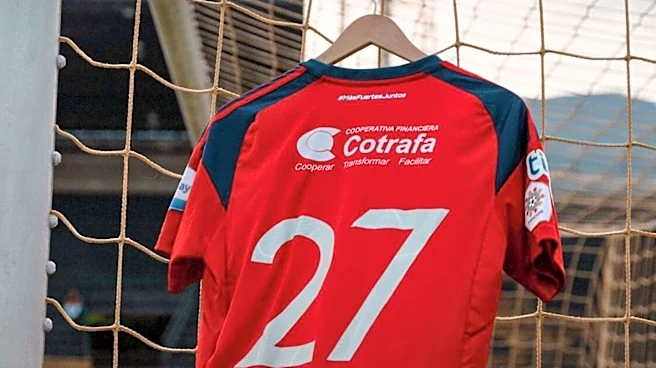
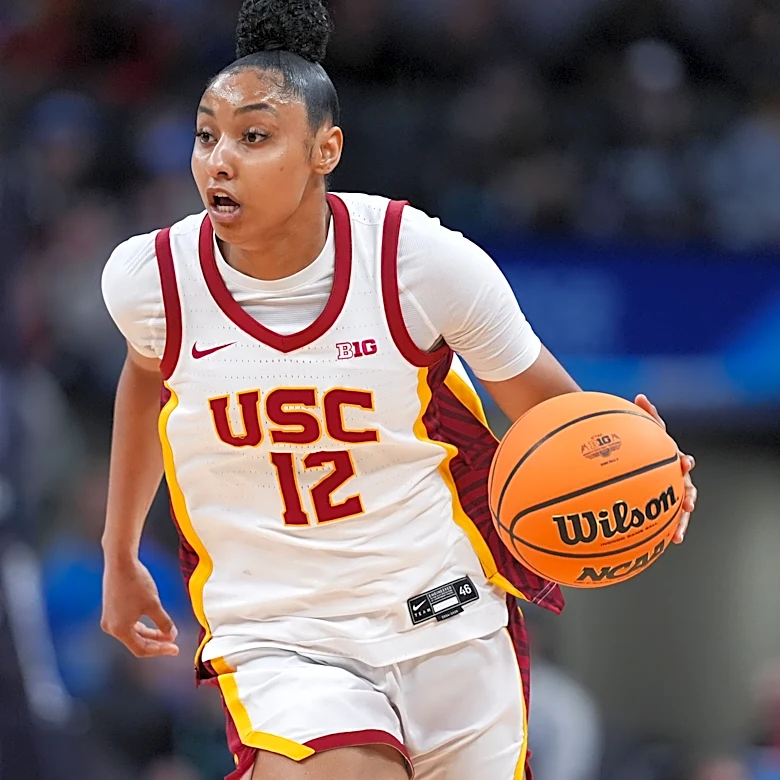
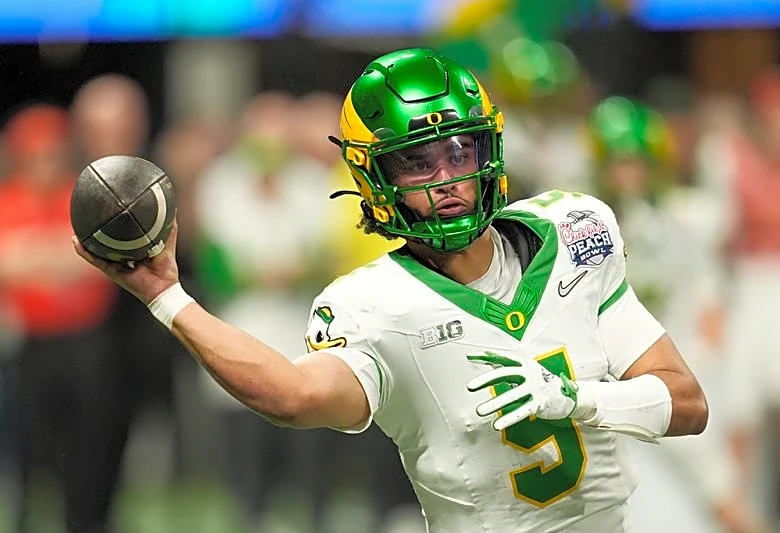
The University of Illinois has entered into a five-year, $30 million sponsorship agreement with Busey Bank, which will see the bank's logo featured on the jerseys of the Illinois Fighting Illini athletes. This deal, which amounts to $6 million annually,
is part of a growing trend among Big Ten schools to secure lucrative sponsorships. Illinois follows in the footsteps of Wisconsin and Michigan State, which have also signed similar deals. The agreement was announced by Athletics Director Josh Whitman and brokered by Learfield. Unlike other deals, the Illinois agreement includes a requirement for coaches to wear the sponsor's logo during games, which helped increase the deal's value. This sponsorship is expected to provide significant financial support for the university's athletic programs, particularly in football and men's basketball, where Illinois has recently seen success.
Why It's Important?
This sponsorship deal is significant as it highlights the increasing commercialization of college sports, where universities are leveraging their athletic programs to secure substantial financial backing. For Illinois, this deal provides a competitive edge in the Big Ten conference, allowing them to invest more in their athletic programs and potentially attract top talent. The financial boost from the sponsorship can enhance the university's ability to compete at a high level, particularly in football and basketball. Additionally, the deal underscores the growing importance of name, image, and likeness (NIL) opportunities in college sports, as schools seek to maximize revenue streams. The contrast with the Big XII's less lucrative deal illustrates the financial disparities between conferences and the strategic advantages that can be gained through individual school agreements.
What's Next?
With the new sponsorship deal in place, the University of Illinois is poised to enhance its athletic programs further. The additional funds could be used to improve facilities, recruit top-tier athletes, and support existing players through NIL opportunities. As other schools observe Illinois' success in securing such a deal, it may prompt a wave of similar agreements across the NCAA, particularly among schools with strong athletic programs. The deal also sets a precedent for future negotiations, potentially leading to even larger sponsorship agreements for other universities. Stakeholders, including students, alumni, and fans, will likely watch closely to see how the additional resources impact the performance and reputation of Illinois' athletic teams.