









What's Happening?
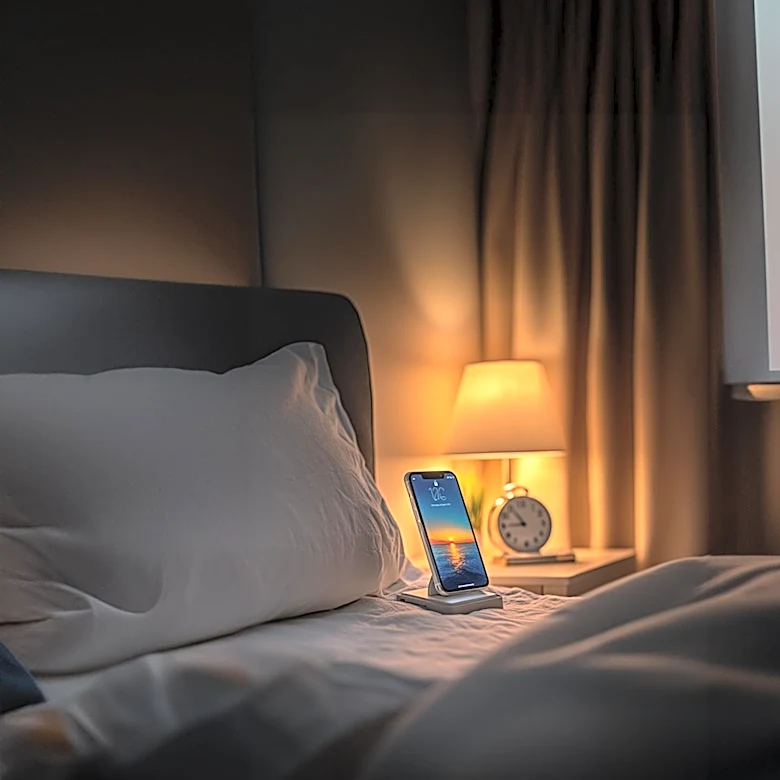
Digital mindfulness wellness tools, including popular meditation apps like Headspace, Calm, Insight Timer, and Meditopia, are increasingly being utilized to help individuals manage stress, improve sleep, and cultivate mindfulness habits. These applications
offer a variety of features such as guided meditations, breathing techniques, and relaxation programs. Insight Timer, for instance, provides over 360,000 guided meditations for free, along with breathwork, yoga, and sleep-specific content. Headspace focuses on anxiety relief and beginner meditators, offering over 1,000 guided meditations and online therapy options. Calm is particularly noted for its extensive Sleep Story library, featuring over 300 tracks, and also provides hundreds of guided meditations. These tools are accessible on smartphones and other connected devices, making them convenient for various settings, including workplace stress management and student wellness programs. While research continues to explore their full impact, these apps are recognized as powerful tools for well-being.
Why It's Important?
The growing adoption of digital mindfulness tools signifies a broader shift in how individuals and institutions approach mental wellness in the U.S. The accessibility of these apps on smartphones makes stress management and mindfulness practices readily available to a wider population, potentially reducing barriers to mental health support. For industries, particularly those with high-stress environments, integrating these tools into employee wellness programs can lead to improved productivity, reduced absenteeism, and a healthier workforce. Students can also benefit from these resources to manage academic pressures and improve focus. The competitive landscape among these apps, with offerings ranging from free comprehensive platforms like Insight Timer to subscription-based services like Headspace and Calm, indicates a robust market driven by consumer demand for flexible and personalized wellness solutions. This trend highlights a societal recognition of the importance of mental well-being and the role technology can play in supporting it.
What's Next?
The future of digital mindfulness tools is likely to see continued innovation and integration into various aspects of daily life. Further research is anticipated to more definitively establish the long-term efficacy of these apps, which could influence healthcare providers and insurance companies to incorporate them more formally into treatment plans. We may also see increased customization and personalization of content, leveraging artificial intelligence to tailor mindfulness practices to individual user needs and progress. The expansion of these tools into corporate wellness programs and educational institutions is expected to continue, with a focus on measurable outcomes and user engagement. Additionally, as the market matures, there may be consolidation among providers or the emergence of more specialized apps catering to niche mental health concerns, further embedding digital mindfulness into the fabric of U.S. wellness practices.
Beyond the Headlines
Beyond their immediate utility, the widespread use of digital mindfulness tools raises deeper implications regarding the intersection of technology and mental health. While offering convenience, reliance on screens for mindfulness practices presents a paradox, as excessive screen time is often linked to increased stress and anxiety. This necessitates a critical examination of how these tools are designed and used to ensure they genuinely promote well-being rather than inadvertently contributing to digital dependency. Furthermore, the data collected by these apps, including personal emotional and mental states, raises privacy concerns that will require robust ethical frameworks and regulations. The commercialization of mindfulness also prompts questions about the authenticity and depth of practice, contrasting with traditional, often community-based, mindfulness teachings. Addressing these ethical and practical considerations will be crucial for the sustainable and beneficial evolution of digital mindfulness in the U.S.