



What's Happening?
Okaeri Japanese Cafe has opened its second location in Rockville, Maryland, situated in a concealed cluster of shops behind a street-facing strip mall on Rockville Pike. The cafe offers a distinctive dining experience, moving beyond the typical suburban
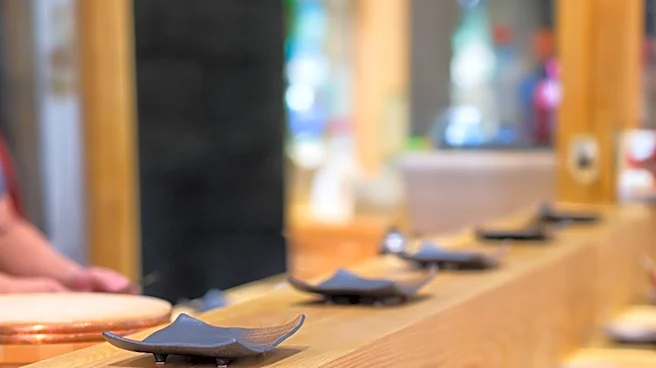
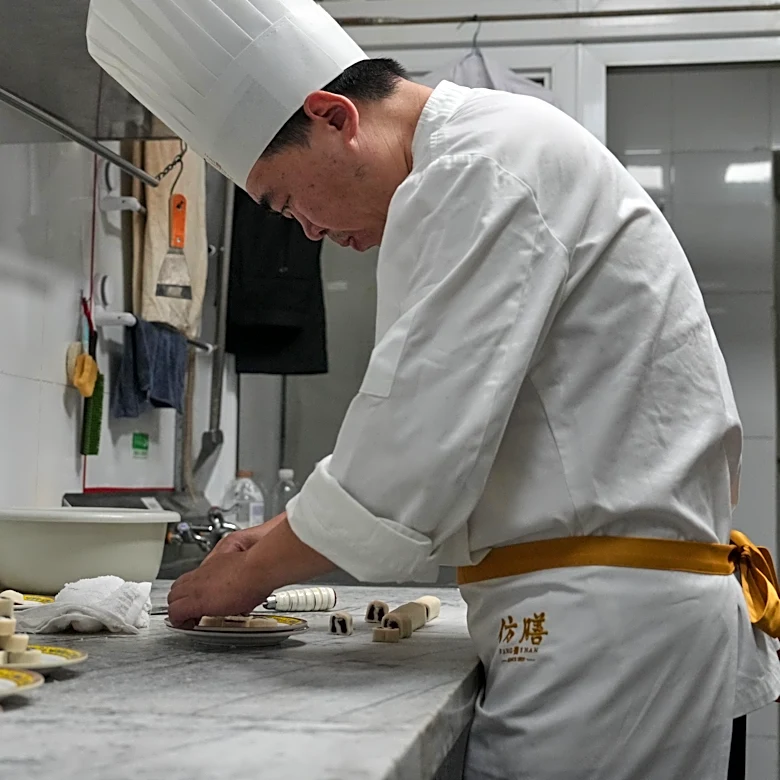
restaurant feel with its industrial-style interior and open galley kitchen. Customers order via touchscreens and can observe the cooks preparing dishes, notably Japanese pancakes. Unlike standard American pancakes, Okaeri's Japanese pancakes are primarily made with egg whites and are steamed, resulting in a fluffy, soufflé-like texture. The menu also features other texture-focused dishes such as omurice, various curries with a thin consistency, and several udon variations. Another highlight is the Japanese egg salad sandwich, characterized by its thick, airy bread and smooth, pâté-like egg salad made with Kewpie mayo. The cafe also serves unique bubble teas, including a yuzu flavor that balances sweetness with tapioca pearls.
Why It's Important?
The opening of Okaeri Japanese Cafe in Rockville signifies a growing trend in the U.S. culinary landscape towards more specialized and authentic international dining experiences. This establishment introduces a unique take on Japanese comfort food, particularly its distinctive pancakes and egg salad sandwiches, which differ significantly from their American counterparts. For consumers in the Washington D.C. metropolitan area, it expands the range of available dining options, offering a taste of Japanese culinary innovation that emphasizes texture and specific preparation methods. For the restaurant industry, Okaeri's approach to creating a unique atmosphere and focusing on specific, high-quality dishes rather than broad appeal could serve as a model for niche market success. It also highlights the increasing demand for diverse and culturally rich food experiences, moving beyond mainstream interpretations of international cuisines. The cafe's location in a less obvious spot also suggests a strategy of attracting customers through unique offerings rather than prime visibility, potentially influencing real estate and marketing strategies for other businesses.
What's Next?
The success of Okaeri Japanese Cafe's Rockville location will likely be closely watched as it navigates the competitive culinary market. Future developments could include an expansion of its menu based on customer feedback and local preferences, while maintaining its core focus on unique Japanese textures and flavors. The cafe may also explore partnerships with local businesses or participate in community events to further establish its presence. If the Rockville location proves successful, it could pave the way for further expansion into other U.S. markets, potentially influencing the broader adoption of these specific Japanese culinary styles. Additionally, the cafe's emphasis on an open kitchen and the theatrical aspect of food preparation might inspire other restaurants to adopt similar transparent and engaging dining experiences. The reception of its unique dishes, such as the steamed pancakes and egg salad sandwiches, could also lead to increased interest and demand for these specific items across other Japanese eateries in the region.
Beyond the Headlines
Okaeri Japanese Cafe's focus on texture as a primary culinary element offers a deeper insight into the nuances of Japanese cuisine, which often prioritizes mouthfeel and subtle sensory experiences alongside flavor. This approach challenges the Western culinary emphasis that often places flavor and aroma as paramount. By highlighting dishes like the soufflé-like pancakes and the pâté-like egg salad, the cafe introduces American diners to a different dimension of gastronomic appreciation. This could foster a greater understanding and appreciation for the intricate details of international food cultures. Furthermore, the cafe's design, which transitions from a 'dark lair' filled with anime merchandise to an industrial-chic dining area, reflects a blend of contemporary Japanese pop culture and traditional culinary artistry. This fusion creates a unique cultural space that goes beyond just food, offering an immersive experience that speaks to broader cultural trends and the evolving identity of Japanese establishments abroad. It also subtly educates patrons on the diversity within Japanese cuisine, moving beyond common perceptions.