




What's Happening?
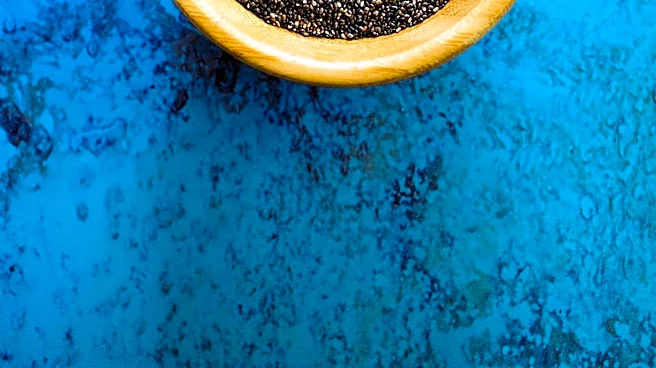
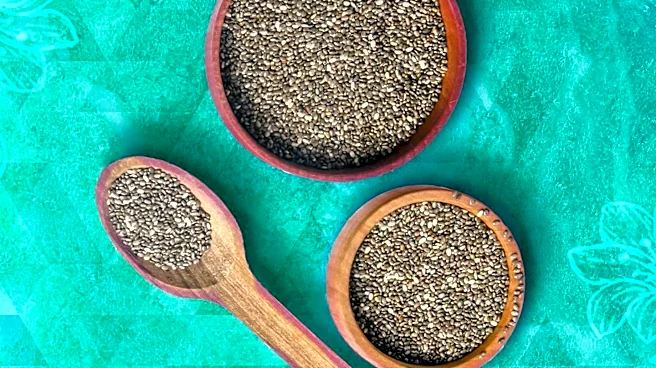
To enhance gut health through lifestyle modifications, a focus on incorporating high-quality fiber, increasing water intake, and maintaining consistency is recommended. Chia seeds are highlighted as a beneficial addition to the diet, providing both soluble
and insoluble fiber that supports gut motility. Individuals are advised to begin with a small amount, such as a teaspoon, and gradually increase their intake. Adequate hydration is crucial, particularly when consuming chia seeds, necessitating an extra glass of water. Regular physical activity, including walking after meals, is also suggested to aid digestion and promote a healthy gut microbiome. The approach emphasizes a balanced diet rich in diverse nutrients and the potential consideration of high-bioavailability supplements to further support gut health. The source stresses that improving gut health does not require drastic lifestyle overhauls or expensive 'cleanses,' but rather foundational changes.
Why It's Important?
The emphasis on accessible and consistent lifestyle changes for gut health holds significant importance for public health in the U.S. Many Americans face digestive issues, and the guidance on incorporating simple, affordable ingredients like chia seeds, alongside increased water intake and physical activity, offers a practical pathway to improved well-being. This approach can reduce reliance on costly and potentially unnecessary 'cleanses' or specialized diets, making gut health improvements more attainable for a broader population. By promoting a balanced diet and regular exercise, this guidance can contribute to a reduction in common digestive complaints and potentially mitigate the risk of more serious long-term gut-related health issues. The focus on gradual introduction of fiber, such as with chia seeds, is crucial to prevent adverse effects like bloating, ensuring a positive and sustainable experience for individuals seeking to improve their gut health.
What's Next?
Individuals are encouraged to integrate chia seeds into their daily routine by starting with a small amount, like a teaspoon, and gradually increasing it over several weeks to two tablespoons. It is vital to pair chia seed consumption with an extra glass of water to prevent potential constipation. Soaking chia seeds for 10-20 minutes before consumption is recommended to improve digestibility and texture. For those with sensitive digestive systems, ground chia seeds offer similar nutritional benefits and can be more easily incorporated into various foods. The advice also includes being mindful of potential interactions with medications for diabetes or hypertension and consulting a healthcare provider if on such treatments. Furthermore, individuals with conditions like Crohn's disease or ulcerative colitis should consult their doctor before adding high-fiber supplements like chia seeds during flare-ups.
Beyond the Headlines
The promotion of simple, accessible dietary and lifestyle changes for gut health, such as the inclusion of chia seeds and increased hydration, reflects a broader shift towards preventative health and self-care in the U.S. This approach empowers individuals to take proactive steps in managing their digestive well-being without necessarily relying on complex medical interventions. The emphasis on gradual introduction and proper hydration highlights the importance of understanding individual body responses and avoiding the 'quick fix' mentality often prevalent in health trends. Ethically, this guidance promotes responsible consumption and encourages individuals to listen to their bodies, fostering a more mindful relationship with food and health. Culturally, it reinforces the value of whole foods and natural remedies, potentially influencing dietary habits and consumer choices towards more sustainable and health-conscious options.