






What's Happening?
Orangetheory Fitness (OTF) operates on a group-fitness model led by certified coaches, distinguishing itself from traditional gyms by focusing on heart-rate-monitored, high-intensity interval training (HIIT). The company offers three primary monthly subscription
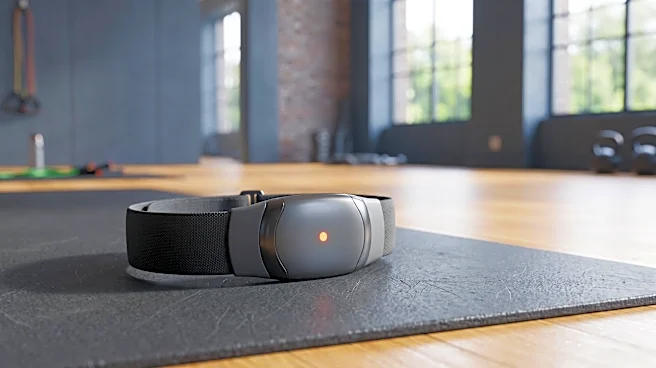
tiers: Basic, Elite, and Premier. The Basic membership provides four classes per month, suitable for individuals supplementing an existing fitness routine. The Elite tier offers eight classes monthly, often considered ideal for consistent cardiovascular health and muscular endurance. The Premier membership provides unlimited classes, catering to dedicated fitness enthusiasts attending three or more times a week. Membership costs vary significantly based on geographic location, local studio ownership, and the chosen commitment level. Additionally, members are required to purchase a proprietary heart-rate monitor, the OTbeat system, which typically costs between $119 and $129. Studios may offer rental options for first-timers at $5 to $10 per class. Orangetheory's model emphasizes structured programming and personalized attention, which contributes to its higher price point compared to standard gym memberships.
Why It's Important?
The Orangetheory Fitness model highlights a growing trend in the U.S. fitness industry towards specialized, high-engagement boutique studios over traditional, large-scale gyms. This shift impacts consumer spending habits, as individuals are willing to pay a premium for structured workouts, expert coaching, and data-driven performance tracking. For the fitness industry, it signifies a move towards niche markets and personalized experiences, potentially driving innovation in workout methodologies and wearable technology integration. The requirement for a proprietary heart-rate monitor also creates an additional revenue stream for OTF and reinforces its brand ecosystem, influencing how other fitness companies might integrate technology into their offerings. The varying pricing structure across different regions reflects local economic conditions and real estate costs, demonstrating how localized market dynamics can influence national business models. This approach also fosters a sense of community and accountability, which can lead to higher member retention rates compared to less structured fitness environments.
What's Next?
Prospective members can typically experience a free introductory class at most Orangetheory locations, provided they can prove local residency. During this trial, a coach explains the equipment and heart-rate zones, and a complimentary rental heart-rate monitor is provided. Following the class, a sales associate will review local rate sheets. New members are often advised to start with a class package or a Basic membership to assess how the workouts fit into their routine before committing to a recurring Premier membership. The company's strict 12-hour cancellation policy for classes, with penalties for late cancellations or no-shows, will continue to be enforced. Membership cancellations generally require a 30-day written notice, meaning members will likely be billed for one final month after submitting their request. Studios may also offer corporate or family discounts, and members can typically freeze their membership for a fee if needed.
Beyond the Headlines
The Orangetheory Fitness model extends beyond physical exercise, tapping into psychological motivators such as gamification and community. The real-time heart-rate tracking and 'Splat Points' (minutes spent in high-intensity zones) create a competitive and goal-oriented environment, which can be highly effective for individuals who struggle with self-motivation in traditional gym settings. This approach transforms fitness into an immersive experience, leveraging technology to provide immediate feedback and foster a sense of achievement. The premium pricing and structured environment also cultivate a perception of exclusivity and high value, attracting a demographic willing to invest significantly in their health and wellness. This trend suggests a broader societal shift towards valuing curated experiences and measurable outcomes in personal well-being, potentially influencing how other service industries design and market their offerings to meet evolving consumer expectations for engagement and personalization.