






What's Happening?
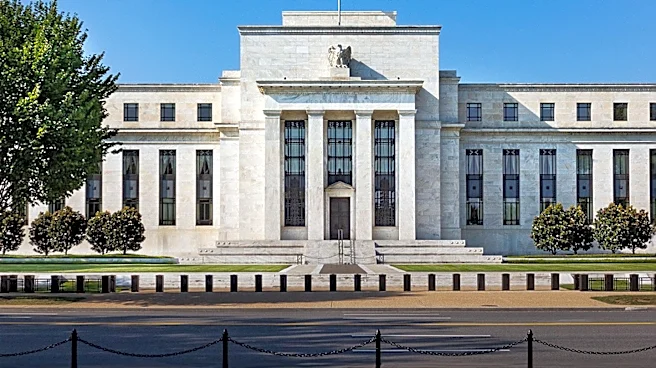
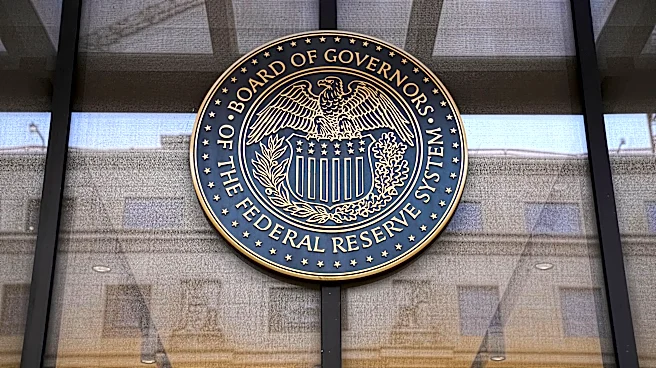
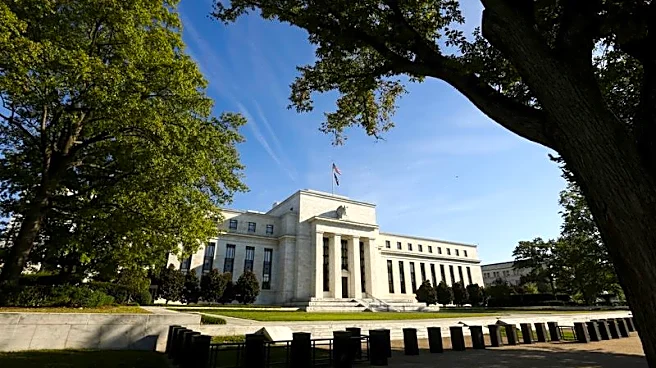
The Federal Reserve's annual stress test has revealed that all 32 large U.S. banks are well-capitalized to withstand a severe recession. The test projected over $708 billion in loan losses, yet banks maintained capital levels above regulatory requirements.
The hypothetical scenario included a 39% drop in commercial real estate prices, a 30% decline in home prices, and a rise in unemployment to 10%. Despite these challenges, the banks' ability to continue lending to households and businesses underscores their financial stability.
Why It's Important?
The results of the Federal Reserve's stress test are crucial for maintaining confidence in the U.S. banking system. By demonstrating resilience in a severe economic downturn, these banks reassure investors, regulators, and the public of their ability to support the economy. This stability is vital for economic recovery and growth, as banks play a key role in providing credit and financial services. The test results also highlight the effectiveness of regulatory measures implemented after the 2008 financial crisis to strengthen the banking sector.
What's Next?
Following the stress test results, U.S. banks may continue to focus on maintaining strong capital reserves and risk management practices. The Federal Reserve may use these findings to inform future regulatory policies and ensure the banking sector remains robust against potential economic shocks. Additionally, banks might explore strategies to enhance profitability and lending capabilities while navigating the evolving economic landscape.