

What's Happening?
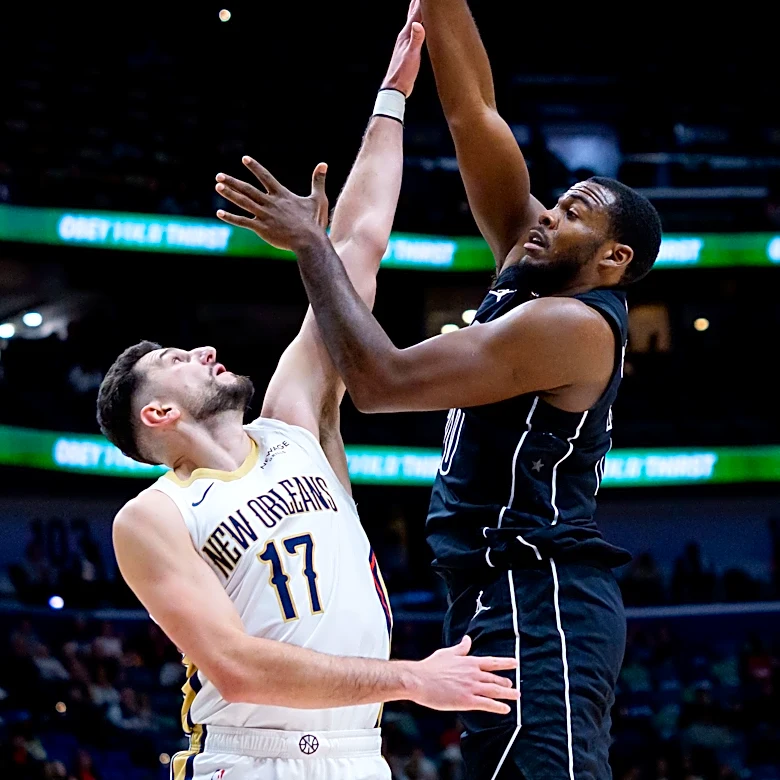
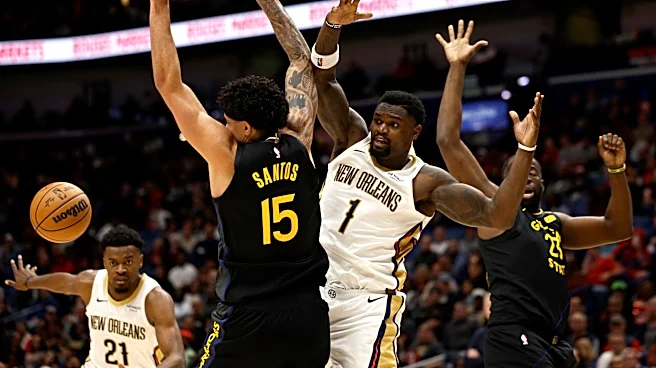
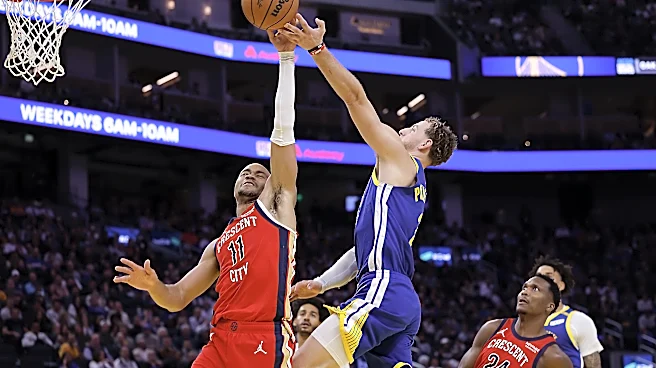
The New Orleans Pelicans organization is reportedly experiencing significant internal turmoil, marked by growing discontent among players and executives. Whispers of frustration have intensified regarding the accelerated hiring of head coach Jamahl Mosley
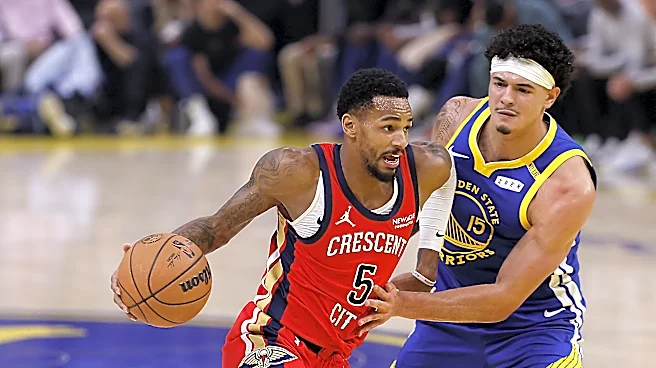
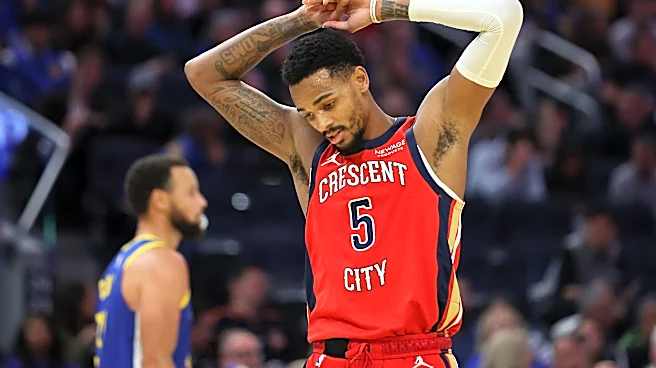
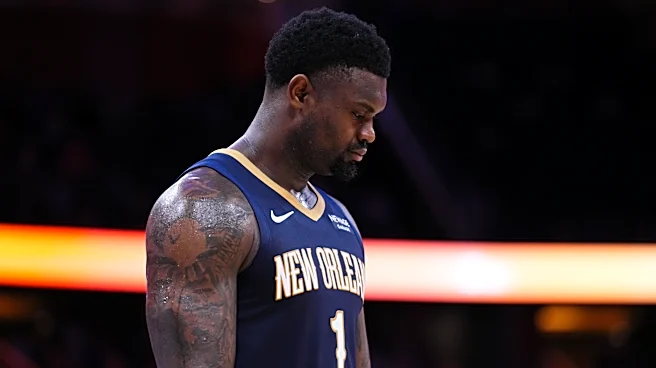
this season and executive vice president of basketball operations Joe Dumars last season. Sources indicate confusion within the organization as to why extensive searches were not conducted for these key positions. This internal strife comes amidst a six-game losing streak, which the team recently ended. Furthermore, player Dejounte Murray has expressed a desire to leave the franchise, a sentiment that has been privately discussed since last season. Murray's value has reportedly diminished, making a trade difficult without substantial draft compensation. His unhappiness was exacerbated by the team's decision to draft Jeremiah Fears, signaling a potential shift in direction that upset Murray, echoing his past departures from San Antonio and Atlanta.
Why It's Important?
The reported internal discord within the New Orleans Pelicans could have significant ramifications for the team's performance, player morale, and long-term organizational stability. A lack of confidence in coaching and executive leadership can undermine team cohesion and strategic execution on the court. The difficulty in trading Dejounte Murray, a player who wishes to depart, creates a challenging situation where an unhappy star could negatively impact team dynamics and future trade leverage. This situation highlights the critical importance of transparent hiring processes and effective communication within professional sports franchises to maintain trust and alignment among all stakeholders. The ongoing issues could deter potential free agents and make it harder for the Pelicans to build a competitive roster, ultimately affecting their standing in the league and their financial prospects through ticket sales and merchandise.
What's Next?
The immediate future for the New Orleans Pelicans will likely involve efforts to address the reported internal discontent and the situation with Dejounte Murray. The team's leadership, including head coach Jamahl Mosley and executive vice president Joe Dumars, will face increased scrutiny regarding their strategies and ability to unite the team. It remains to be seen if the Pelicans will actively seek a trade partner for Murray, potentially at a reduced value, or attempt to mend the relationship. The team's performance in upcoming games will be crucial in determining whether the recent win was a turning point or merely a temporary reprieve. Stakeholders, including fans and media, will be closely watching for any signs of resolution or further escalation of the internal issues, which could influence future personnel decisions and the team's overall direction.
Beyond the Headlines
The situation within the New Orleans Pelicans extends beyond typical team performance issues, touching upon deeper organizational governance and player empowerment themes in professional sports. The reported lack of extensive searches for key leadership roles raises questions about accountability and due diligence in high-stakes executive appointments. This could set a precedent or highlight a broader trend in sports management where expediency might sometimes overshadow thoroughness. Furthermore, Dejounte Murray's public and private expressions of discontent underscore the evolving landscape of player agency, where athletes increasingly voice their preferences and dissatisfaction, impacting team strategies and market dynamics. The Pelicans' handling of this crisis could serve as a case study for other franchises navigating similar challenges, illustrating the delicate balance between organizational control and player autonomy in modern professional sports.