




What's Happening?
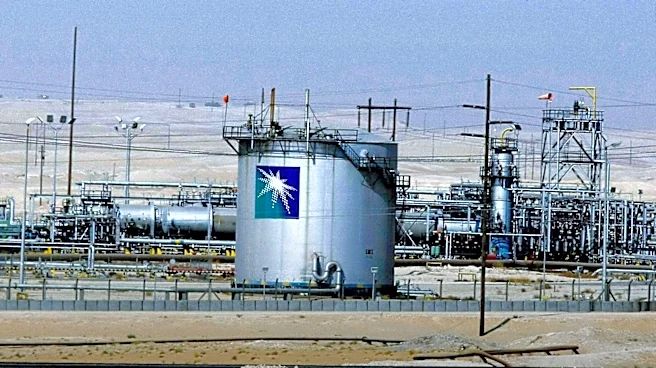
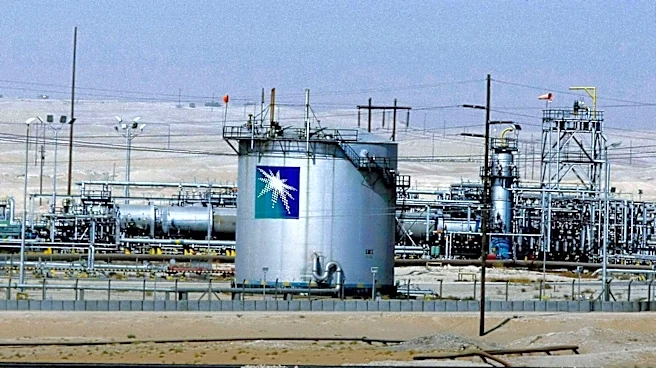
Saudi Aramco, a major global energy and chemicals producer, is actively seeking a Techno-economic Modeling Specialist for its Technology Strategy & Planning Department (TSPD). This role is crucial for supporting the company's enhanced technology management
processes, particularly in techno-economic evaluation and strategic decision-making within its technology organization. The specialist will be responsible for providing accurate and timely analysis of economic, financial, and commercial data related to technology development, demonstration, and deployment opportunities. Key duties include supporting strategic option analysis, developing business cases for technology projects, creating financial models for commercial applications, and evaluating technology project performance. The position requires a minimum of 13 years of professional experience, with at least five years in leading energy or chemicals organizations or management consulting firms, and five years in conducting various economic and financial analyses using advanced modeling tools. The successful candidate will possess in-depth knowledge of downstream refining, petrochemicals, midstream, upstream, and emerging technologies related to corporate sustainability, such as AI and circular carbon economy.
Why It's Important?
This recruitment highlights Saudi Aramco's strategic focus on leveraging advanced technology and robust financial analysis to optimize its operations and investment decisions. By hiring a Techno-economic Modeling Specialist, the company aims to maximize value realization from its technological advancements, ensuring that new technologies are effectively integrated into its corporate strategies and investment plans. This move is significant for the global energy sector as it underscores the increasing importance of data-driven decision-making and technological innovation in maintaining competitiveness and addressing sustainability goals. For the U.S. energy market, Saudi Aramco's continued investment in technology and efficiency can influence global oil and gas prices and supply dynamics, indirectly affecting domestic energy policies and corporate strategies. The emphasis on sustainable plastics and circular carbon economy also signals a broader industry shift towards environmentally conscious practices, which could set benchmarks for international energy companies, including those operating in the U.S.
What's Next?
The integration of a Techno-economic Modeling Specialist into Saudi Aramco's TSPD is expected to lead to more refined and data-backed technology investment decisions. This will likely result in the accelerated development and deployment of new technologies across Aramco's diverse operations, from upstream to petrochemicals. The specialist's work will directly inform senior management on strategic options and product development, potentially leading to new commercial applications and licensing opportunities for Aramco's innovations. Internally, there will be an increased focus on tracking and reporting the value realized from deployed technologies, ensuring accountability and continuous improvement. Externally, Aramco's enhanced technological capabilities and strategic planning could influence its competitive position in the global energy market, potentially impacting partnerships, joint ventures, and market share in various segments, including those with U.S. companies. The company's commitment to sharing techno-economic evaluation knowledge internally also suggests a broader effort to uplift financial acumen across its organization.
Beyond the Headlines
The pursuit of a Techno-economic Modeling Specialist by Saudi Aramco reflects a deeper trend within the global energy industry: the convergence of technological innovation, financial rigor, and sustainability objectives. This role is not merely about financial modeling; it embodies the strategic imperative for energy giants to navigate complex market dynamics, technological disruptions, and increasing environmental pressures. The emphasis on emerging technologies like AI, predictive analytics, and circular carbon economy indicates a long-term vision beyond traditional hydrocarbon production, aiming for diversified value creation and reduced carbon intensity. This strategic shift could have profound implications for the future of energy, potentially accelerating the transition towards more sustainable practices globally. For the U.S., this could mean increased competition in green technologies and sustainable energy solutions, as well as opportunities for collaboration in research and development. The ethical dimension lies in ensuring that these advanced modeling techniques are used to foster responsible resource management and contribute to global energy security while mitigating environmental impact.