




What's Happening?
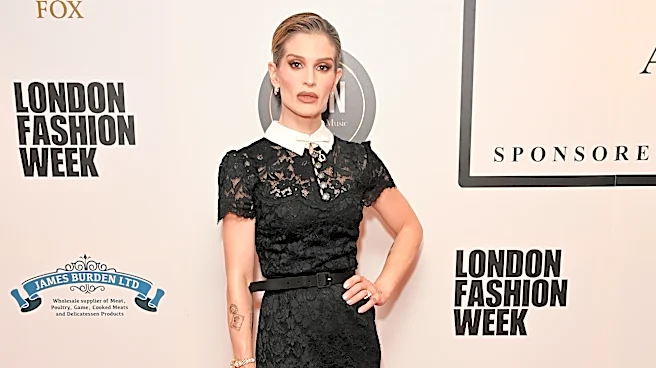
Kelly Osbourne has disclosed the significant impact her father, Ozzy Osbourne's, death had on her physical and mental health. She revealed that she became 'dead inside' after his passing on July 22, 2025, at the age of 76 due to a heart attack. Osbourne admitted
she did not realize the extent of her weight loss until she saw photographs of herself prior to the 2026 Grammy Awards. She described being shocked by her appearance in a photo during a Grammy fitting, stating she couldn't recognize herself. The grief led her to neglect self-care, making it difficult to feel hunger, and she clarified that her weight loss was not due to an eating disorder. Furthermore, Osbourne confessed to returning to drinking as a coping mechanism, seeking to feel nothing to escape the intense pain. Her mother, Sharon Osbourne, intervened by arranging for therapist and life coach Chris Miller to help her, which Kelly credits with changing her life. Since her appearance at the BRIT Awards in February 2026, Osbourne has reportedly gained approximately 28 pounds.
Why It's Important?
This revelation from Kelly Osbourne highlights the severe and often unseen toll that grief can take on an individual's health, both physical and mental. Her experience underscores the importance of mental health support during periods of profound loss, demonstrating how emotional pain can manifest in drastic physical changes and unhealthy coping mechanisms like substance use. The public nature of her struggle, as a well-known personality, can help destigmatize discussions around grief, weight loss, and addiction, encouraging others facing similar challenges to seek help. It also brings attention to the role of family support, as Sharon Osbourne's intervention was crucial in Kelly receiving professional assistance. The story serves as a reminder that even public figures are susceptible to the devastating effects of personal tragedy, emphasizing the universal need for compassion and understanding during such times.
What's Next?
Following her public disclosure, Kelly Osbourne is likely to continue her journey of recovery and healing, focusing on her mental and physical well-being. Her openness may encourage further public dialogue about grief, addiction, and mental health, potentially inspiring others to share their experiences or seek professional help. There may be increased public interest in her recovery process and how she continues to manage her grief. For her family, particularly Sharon Osbourne, this period will likely involve continued support for Kelly. The entertainment industry might see a broader conversation about the pressures faced by individuals in the public eye when dealing with personal tragedies, and the importance of providing supportive environments. Osbourne's story could also lead to her becoming an advocate for mental health awareness, sharing her insights and experiences to help others navigate similar challenges.
Beyond the Headlines
Kelly Osbourne's candid account delves into the complex interplay between grief, body image, and public perception. Her struggle to recognize herself in photographs, despite her significant weight loss, illustrates the psychological disconnect that can occur during intense emotional distress. The public's 'cruel' reactions to her appearance, as she described, highlight the often-unforgiving nature of public scrutiny, especially when individuals are privately battling profound pain. This situation raises ethical questions about how society, particularly through media and social platforms, treats individuals experiencing visible signs of distress. Furthermore, her return to drinking underscores the pervasive challenge of addiction as a coping mechanism for trauma, even for those with previous sobriety. The narrative also subtly touches upon the protective instincts of family, as Sharon Osbourne's decisive action to bring in a therapist proved to be a turning point, emphasizing the critical role of a strong support system in navigating severe personal crises.