



What's Happening?
YouTube TV offers coverage of major national MLB broadcasters and certain Regional Sports Networks (RSNs), making it a popular live-TV streaming service. The platform provides strong DVR and multi-stream support. However, the availability of specific
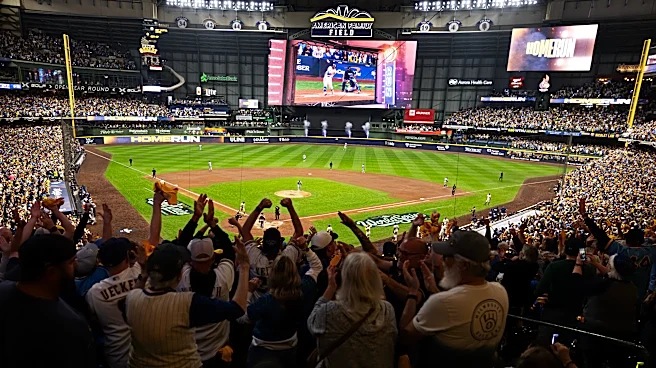
RSNs can vary by market, and subscribers are advised to verify RSN coverage on YouTube TV's website before committing. For out-of-market games, MLB.tv is available, offering every regular-season game live or on-demand, though local blackout rules apply. Postseason MLB games are broadcast across multiple national networks, including FOX, FS1, ESPN, TBS, and MLB Network, and are not subject to blackouts, ensuring national availability.
Why It's Important?
The varying availability of Regional Sports Networks on streaming platforms like YouTube TV significantly impacts how U.S. consumers access local sports content. This situation creates a fragmented viewing experience, where fans might need multiple subscriptions or specific services like DirecTV Stream, which offers more comprehensive RSN coverage, to watch their local teams. The distinction between national broadcasts (like those on FOX for the World Series) and regional games highlights the complexities of sports media rights. This landscape influences subscription choices, potentially driving consumers towards services that offer broader RSN access or direct-to-consumer options like MLB.tv for out-of-market content, despite its blackout restrictions for local games.
What's Next?
As media rights continue to evolve, the landscape for sports broadcasting on streaming services will likely see further changes. The ongoing shifts, such as the Wild Card round moving to NBC and Peacock in 2026, indicate a trend towards diversifying broadcast partners and platforms. Consumers can expect continued adjustments in where and how they can access live sports, particularly for regional games. Streaming services will likely continue to compete for RSN rights, potentially leading to more dynamic pricing models or bundled offerings. Fans will need to stay informed about channel lineups and blackout rules to ensure they can watch their preferred teams.
Beyond the Headlines
The intricate web of sports broadcasting rights, particularly for RSNs, reflects broader trends in media consolidation and the battle for subscriber retention in the streaming era. The 'blackout rule' for local games on services like MLB.tv, while designed to protect regional broadcasters, often frustrates fans and can inadvertently encourage illicit streaming. This situation also raises questions about equitable access to sports content, as comprehensive coverage can become increasingly expensive or geographically restricted. The ongoing evolution of these rights will shape the future of sports consumption, potentially leading to more direct-to-consumer options from leagues or more integrated streaming packages that simplify access for fans.