

What's Happening?
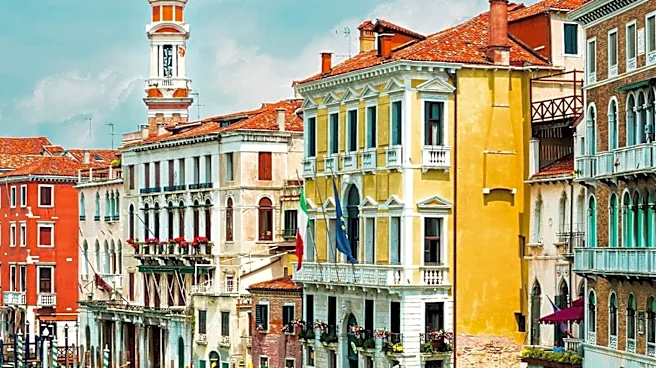
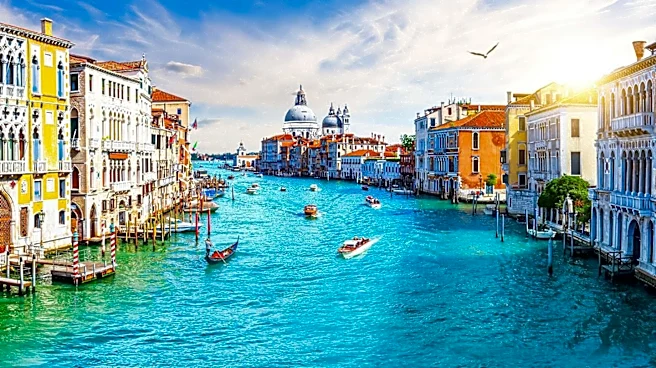
Venice, Italy, a unique lagoon city, is characterized by its six sestieri, where the Grand Canal, smaller canals (rii), footbridges, and vaporetti serve as primary transportation routes instead of traditional streets. The city is renowned for its rich
artistic heritage and distinct neighborhoods. Key areas include San Marco, which houses symbols of the republic's power like St. Mark's Basilica and Doge's Palace, and San Polo, known for its merchant history, including the Rialto Bridge and Market. Dorsoduro offers a more artistic and student-centric atmosphere with institutions like the Accademia and Peggy Guggenheim Collection. Beyond the main city, islands such as Murano, famous for glassblowing, and Burano, known for its colorful houses and lacemaking, provide additional attractions. The JW Marriott Venice Resort & Spa, located on the private Isola delle Rose, offers a luxury retreat with extensive gardens and amenities, accessible by a complimentary water shuttle to St. Mark's Square. The city operates on Central European Time (CET) and Central European Summer Time (CEST) during daylight saving.
Why It's Important?
Venice's unique urban structure, relying on waterways instead of roads, presents both charm and logistical considerations for visitors, particularly families. The city's distinct neighborhoods offer varied experiences, from the bustling tourist hubs to quieter residential areas, allowing for diverse engagement with Venetian culture and history. The presence of luxury accommodations like the JW Marriott Venice Resort & Spa on a private island highlights a strategy to provide a tranquil base away from the city's crowds, catering to those seeking both accessibility to attractions and a peaceful environment. The historical significance of Murano's glassblowing industry, dating back to 1291, underscores Venice's enduring artisanal traditions and their role in the local economy and tourism. Understanding these geographical and cultural elements is crucial for visitors to navigate the city effectively and appreciate its multifaceted appeal, balancing historical exploration with modern amenities and family-friendly activities.
What's Next?
Visitors planning trips to Venice should consider booking accommodations and specific tours, such as the Secret Itineraries tour at Doge's Palace or glassmaking workshops on Murano, in advance due to limited capacity and potential queues. Utilizing vaporetto day passes is recommended for seamless travel between Venice and its surrounding lagoon islands like Burano and Torcello. For families, strategies like staying on outer islands or visiting popular sites during off-peak hours (e.g., Piazza San Marco after dark, Doge's Palace at opening) can enhance the experience by avoiding crowds. The city's ongoing efforts to manage tourism while preserving its unique heritage will likely continue to shape visitor experiences, with an emphasis on promoting diverse activities beyond the most congested areas. Future developments may include further initiatives to encourage exploration of less-trafficked neighborhoods and islands, distributing tourist impact and offering more authentic local interactions.
Beyond the Headlines
Venice's reliance on its lagoon environment presents a delicate balance between preserving its historical and architectural integrity and accommodating modern tourism. The city's unique infrastructure, with canals as streets and vaporetti as public transport, shapes daily life and visitor experiences in profound ways, offering a glimpse into a different mode of urban living. The historical relocation of glass furnaces to Murano in 1291 due to fire risk illustrates early urban planning considerations and the long-term impact of industrial activities on city development. The contrast between the crowded tourist centers and the quieter residential sestieri like Cannaregio highlights the social and cultural dynamics within the city, where local life coexists with global tourism. These elements collectively contribute to Venice's identity as a living museum, where every canal, bridge, and island tells a story of adaptation, resilience, and enduring cultural heritage, facing ongoing challenges related to environmental changes and sustainable tourism.