





What's Happening?
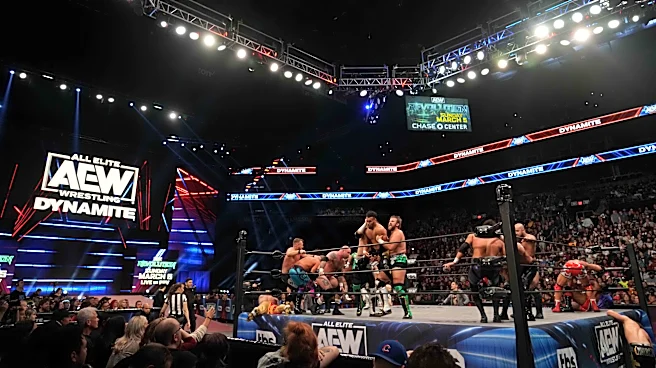
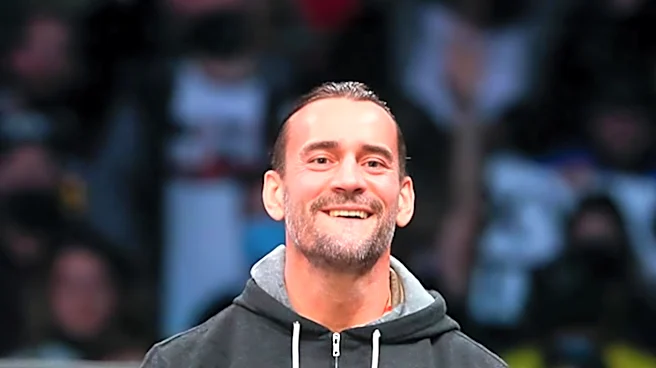
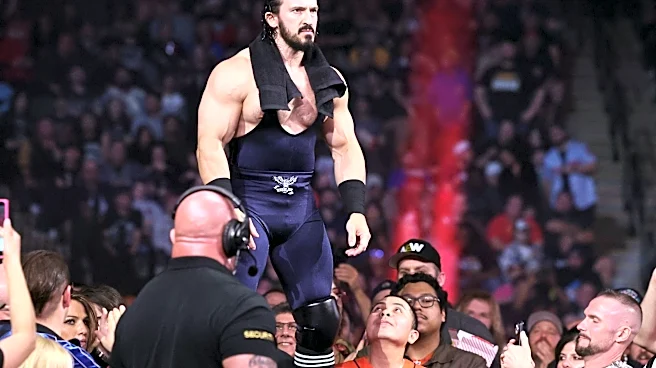
The Cook County Medical Examiner has issued an update regarding the sudden death of former WWE and AEW wrestler Benjamin Satterley, known as PAC. Satterley, aged 40, passed away on Sunday, September 27, 2026. His death occurred just one day after he participated
in AEW's All Out event in Chicago, where he wrestled Andrade El Idolo. The Medical Examiner's office confirmed that an autopsy has been conducted, but the cause and manner of death are pending additional testing. Results are expected to take several weeks. Tributes have poured in from across the wrestling community, including from AEW boss Tony Khan, who described Satterley as an "absolutely fantastic wrestler, absolutely fantastic human being."
Why It's Important?
The sudden passing of PAC, a highly respected and influential figure in professional wrestling, is a significant loss for the industry and its global fanbase. His death, especially at a relatively young age and shortly after a major event, brings renewed attention to the physical demands and potential health risks associated with professional wrestling. The pending medical examiner's report is crucial for understanding the circumstances of his death, which could have broader implications for wrestler health and safety protocols across promotions. The outpouring of tributes from colleagues and fans underscores his impact as a performer and a person, highlighting the close-knit nature of the wrestling community. This event also serves as a somber reminder of the fragility of life, even for seemingly robust athletes, and prompts reflection on the well-being of those in high-impact professions.
What's Next?
The wrestling community and fans will await the full report from the Cook County Medical Examiner to determine the official cause and manner of PAC's death. This information may lead to further discussions within wrestling promotions about wrestler health, wellness policies, and the scheduling of events. Tributes and memorials for PAC are expected to continue, both within wrestling shows and through various media platforms, as the industry mourns his loss. His legacy as an innovative and talented performer will undoubtedly be celebrated, and his contributions to both WWE and AEW will be remembered. The incident may also spark conversations about the long-term health support available to wrestlers, particularly those who transition between promotions or retire from active competition.
Beyond the Headlines
PAC's death transcends the immediate news of a wrestler's passing, touching upon deeper societal issues surrounding athlete welfare and the public's perception of extreme sports. The rigorous schedule, constant travel, and high-impact nature of professional wrestling can take a toll on performers' bodies and minds, often out of the public eye. This event may prompt a more critical examination of the support systems in place for wrestlers, including medical care, mental health resources, and post-career planning. It also highlights the emotional impact such losses have on colleagues and fans, fostering a sense of collective grief within a community that often blurs the lines between entertainment and reality. The ongoing conversation about athlete safety and well-being, particularly in physically demanding professions, gains renewed urgency with such tragic events, urging a re-evaluation of industry standards and practices.