


What's Happening?
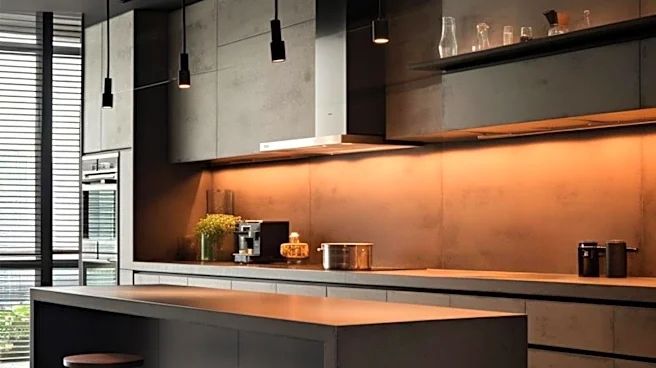
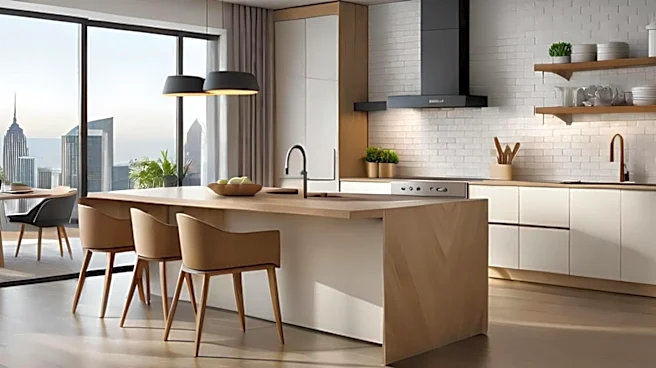
The 'invisible kitchen' trend is gaining significant traction in home design, characterized by hidden appliances, seamless cabinetry, and integrated storage solutions. This design philosophy aims to make the kitchen blend effortlessly into the rest of
the home, appearing more like furniture or bespoke millwork rather than a traditional utilitarian workspace. As open floor plans remain popular, kitchens are constantly visible from living and dining areas, prompting homeowners to seek uncluttered and cohesive designs. Designers are achieving this by using natural materials like oak or walnut, honed stone, and subtle detailing to add warmth and texture, preventing the space from feeling stark. The trend also involves the rise of 'back-of-house' kitchens or sculleries, where heavy prep and cleanup occur, allowing the main kitchen to remain visually refined.
Why It's Important?
This design trend reflects a fundamental shift in how homeowners perceive and use their kitchens. It signifies a desire for living spaces that prioritize aesthetics, tranquility, and seamless integration, moving away from the kitchen as a purely functional zone. For the home design and construction industries, this means a growing demand for custom cabinetry, integrated appliances, and innovative storage solutions, driving new product development and specialized craftsmanship. It also influences material choices, favoring natural and textured finishes that contribute to a sophisticated yet understated look. The 'invisible kitchen' trend impacts real estate values, as well-designed, integrated spaces become a key selling point, catering to a lifestyle that values both entertaining and everyday living without visual clutter.
What's Next?
The 'invisible kitchen' trend is expected to continue evolving, with designers exploring even more innovative ways to conceal functionality while maintaining accessibility. This could include further advancements in automated hidden panels, touch-to-open mechanisms, and modular kitchen systems that can be reconfigured or completely tucked away. The demand for high-quality, durable materials that can withstand daily use while maintaining a refined appearance will increase. We may also see a greater emphasis on smart technology that supports the 'invisible' aesthetic, such as voice-controlled appliances or integrated systems that minimize visible controls. The concept of 'back-of-house' kitchens is likely to become more prevalent in larger homes, further separating the functional aspects of cooking from the aesthetic presentation of the main kitchen space.
Beyond the Headlines
The 'invisible kitchen' trend, while aesthetically pleasing, also reflects broader societal shifts towards curated living and the influence of digital aesthetics. The desire for uncluttered, minimalist spaces, often seen on social media platforms, is translating into tangible design choices in homes. This trend could inadvertently create a pressure to maintain a perpetually 'show-ready' kitchen, potentially impacting the spontaneity and lived-in feel of a home. It also raises questions about the accessibility and affordability of such designs, as custom solutions and high-end integrated appliances often come with a premium price tag, potentially widening the gap in home design trends between different socioeconomic groups. Furthermore, the emphasis on concealment might lead to less intuitive kitchen layouts for those unfamiliar with the specific design, requiring a learning curve for guests or new residents.